Key Qualities to Look for in an Elderly Caregiver
Key Takeaways
- A good caregiver combines technical ability with patience, empathy, and emotional awareness.
- Communication skills matter just as much as hands-on care.
- Cultural sensitivity and adaptability are especially important in Singaporean households.
- Support from a trusted agency helps ensure long-term care stability.
Introduction
Choosing the right support for an ageing loved one is rarely a quick decision. It often comes after quiet family conversations, late-night research, and a fair amount of second-guessing. An elderly caregiver does more than help with daily routines. They become part of the household rhythm, noticing small changes, offering reassurance, and keeping things steady on difficult days.
In Singapore, where many families balance work, caregiving duties, and multigenerational living, this role carries extra weight. Understanding what truly matters when assessing a caregiver can make the difference between constant worry and genuine peace of mind.
Patience That Holds Up on Long Days
Patience sounds obvious, yet it shows itself in subtle ways. A calm response when instructions need repeating. A steady tone during slow mornings. A willingness to move at someone else’s pace, even when the day feels long.
An experienced elderly caregiver understands that ageing can affect memory, mobility, and mood, sometimes all at once. Frustration helps no one. Patience, on the other hand, builds trust. Over time, that trust makes daily care smoother and more dignified.
Clear Communication, Not Just Polite Conversation
Caregiving relies on communication that goes beyond simple politeness. It includes explaining tasks clearly, listening carefully, and reporting changes promptly to family members. A small detail, such as a change in appetite or sleep patterns, can matter more than it seems.
This is where families often appreciate guidance from a helper agency in Singapore. Agencies typically screen caregivers for language ability and communication habits, which helps reduce misunderstandings once care begins.
Emotional Awareness and Quiet Empathy
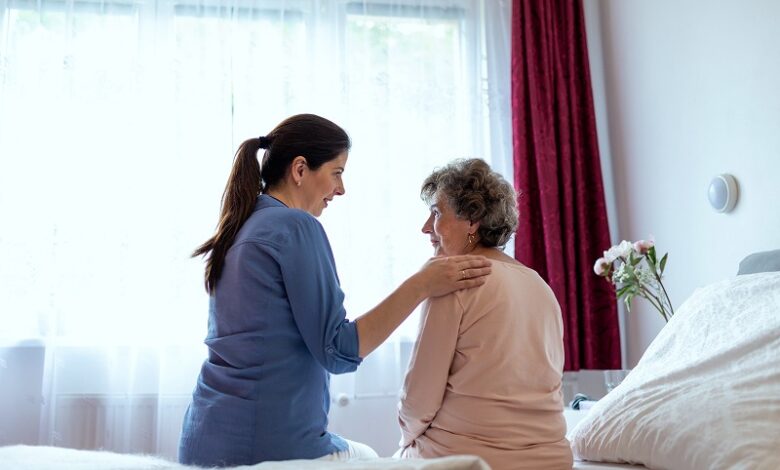
Some days are harder than others. A caregiver who notices emotional shifts and responds gently can ease tension without making a fuss. Empathy does not mean overstepping boundaries. It means recognising when to offer comfort and when to give space.
Caregiving can feel a bit like tending a garden. Attention is needed, but so is restraint. Too much interference can overwhelm, while too little can leave important needs unmet.
Respect for Cultural and Household Norms
Singapore homes are diverse. Food preferences, religious practices, and family routines vary widely. A caregiver who respects these differences settles in more easily and avoids unnecessary friction.
This quality often grows with exposure. Many families prefer working with a helper agency in Singapore because agencies provide orientation and support that help caregivers adjust faster to local expectations.
Practical Skills That Support Independence
Daily tasks matter. Safe transfers, basic hygiene assistance, medication reminders, and light meal preparation all require proper training. Competence here protects both the caregiver and the elderly person.
Yet there is a balance. Good caregivers assist without taking over completely. Encouraging independence, even in small ways, supports dignity and confidence.
Reliability and Consistency Over Time
Care arrangements work best when they are predictable. Arriving on time, following routines, or communicating plans clearly matters. These habits create a sense of stability that elderly individuals often rely on.
A reliable elderly caregiver becomes a steady presence rather than a source of uncertainty. That consistency is especially valuable when health conditions change gradually, rather than all at once.
Willingness to Learn and Adapt
Care needs rarely stay the same. Mobility may decline, dietary needs may shift, or medical appointments may become more frequent. A caregiver who is open to learning new methods and adjusting routines stays effective over time.
Support from a helper agency in Singapore can help here, too. Agencies often provide refresher training or advice when care requirements evolve, which reduces stress for everyone involved.
Conclusion
Finding the right elderly caregiver is not about ticking boxes quickly. It is about recognising qualities that hold up during ordinary days and difficult moments alike. Patience, communication, empathy, cultural awareness, and reliability all work together to create meaningful, sustainable care.
When families partner with a trusted helper agency in Singapore, they gain not just a caregiver but ongoing support that keeps care arrangements steady and responsive. For those seeking dependable elderly care solutions, reaching out to a reputable agency is a sensible next step. Contact JForce Employment Service to discuss care needs and explore suitable options for your household.