LiFePO4 Battery: A Reliable Solution for the Future of Energy Storage
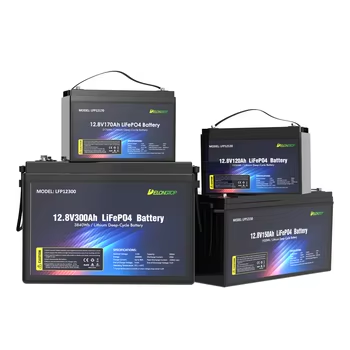
In a world increasingly dependent on sustainable and efficient energy systems, the LiFePO4 battery has emerged as one of the most advanced solutions for modern power storage. Known for its exceptional safety, stability, and long life cycle, this technology is transforming the way we power electric vehicles, renewable energy systems, and industrial equipment. Understanding how LiFePO4 batteries work and why they stand out helps illustrate their growing importance in the global transition to cleaner energy.
What Is a LiFePO4 Battery?
The LiFePO4 battery, or lithium iron phosphate battery, is a type of lithium-ion battery that uses lithium iron phosphate as the cathode material. This specific chemistry offers remarkable advantages in terms of thermal stability and chemical safety. Unlike other lithium-ion batteries that rely on cobalt or nickel-based materials, LiFePO4 cells are less prone to overheating or combustion, making them a preferred choice for applications requiring high reliability.
The internal structure of the LiFePO4 battery contributes to its strength. The phosphate bonds in the cathode are extremely stable, preventing oxygen release during overcharging or mechanical stress. As a result, these batteries maintain a lower risk of fire or explosion, even in demanding environments such as electric transportation or solar energy storage.
Key Advantages of LiFePO4 Batteries
One of the most significant benefits of the LiFePO4 battery is its long service life. A high-quality LiFePO4 cell can typically handle between 3,000 and 5,000 full charge and discharge cycles, far exceeding the lifespan of lead-acid or nickel-based batteries. This makes them especially valuable for systems that require long-term energy storage, such as solar power installations or off-grid living setups.
Energy efficiency is another major advantage. LiFePO4 batteries deliver a round-trip efficiency of over 95%, meaning very little energy is lost between charging and discharging. This level of efficiency ensures consistent power delivery and optimal use of stored energy—critical for both residential and industrial systems.
In addition, LiFePO4 batteries offer excellent performance across a wide temperature range. They can operate efficiently in both hot and cold conditions, typically from -20°C to 60°C, without significant performance loss. This resilience makes them suitable for outdoor or remote energy systems, including marine, camping, and emergency backup power applications.
Environmental and Economic Impact
The LiFePO4 battery also has significant environmental advantages. It contains no toxic heavy metals such as cobalt or nickel, both of which are common in other lithium-ion chemistries and raise ethical and environmental concerns. The core materials—iron, phosphate, and lithium—are more abundant, less harmful to extract, and easier to recycle, contributing to a more sustainable battery supply chain.
From an economic standpoint, while LiFePO4 batteries have a higher upfront cost, they are more cost-effective over time due to their durability and minimal maintenance needs. Fewer replacements and longer service life mean reduced waste and lower total cost of ownership. This combination of performance and sustainability makes them an increasingly attractive option for businesses and consumers alike.
Versatile Applications of LiFePO4 Technology
The applications of LiFePO4 batteries are vast and growing rapidly. In renewable energy, they are used to store solar and wind energy, ensuring a stable power supply when generation fluctuates. Electric vehicles also benefit from LiFePO4 technology because of its consistent power output, safety, and long cycle life. Additionally, they are commonly found in marine vessels, recreational vehicles (RVs), and portable power systems due to their lightweight design and reliability.
Industrial users rely on LiFePO4 batteries for backup power, robotics, and automation systems. Telecommunications infrastructure and data centers also utilize these batteries for uninterruptible power supply (UPS) systems, where dependable energy storage is crucial for maintaining operations.
The Future of LiFePO4 Batteries
As global energy demands continue to rise, the LiFePO4 battery will remain a cornerstone of efficient and sustainable power storage. Ongoing technological advancements are further improving energy density, charge speed, and recyclability, making these batteries even more adaptable for future needs.
In conclusion, the LiFePO4 battery represents a major leap forward in modern energy storage. Its combination of safety, longevity, and environmental responsibility sets it apart from other battery technologies. As industries and households alike move toward cleaner and more reliable energy solutions, LiFePO4 technology is set to play an essential role in shaping the future of sustainable power.