Optimizing Machinery Operations with High-Performance Hydraulic Oil Seals
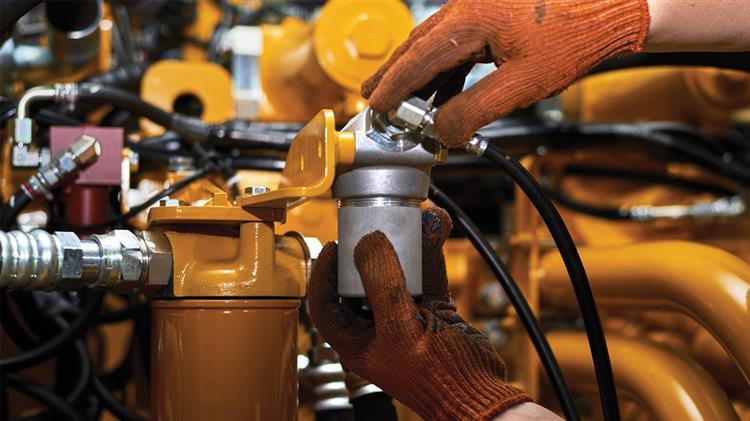
In the world of industrial machinery and hydraulic systems, efficiency and reliability are the cornerstones of success. Every component in these systems plays a vital role, but one part that often goes unnoticed while being essential for overall performance is the Hydraulic Oil Seal. Acting as a barrier against leaks and contaminants, these seals ensure the smooth functioning of hydraulic equipment, maintaining optimal pressure levels and extending the lifespan of machinery.
With industries across manufacturing, construction, mining, and energy sectors relying heavily on hydraulic-powered systems, the importance of a reliable Hydraulic Oil Seal cannot be overstated. Modern industrial operations demand precision and durability, and the efficiency of these systems often depends on the quality and integrity of the oil seals used.
Understanding Hydraulic Oil Seals
A Hydraulic Oil Seal is a specially designed sealing component that prevents fluid leakage between various parts of a hydraulic system. These seals are typically made from high-performance materials such as nitrile rubber (NBR), fluoroelastomer (FKM), polyurethane (PU), or PTFE (Teflon). They are designed to withstand extreme pressure, temperature fluctuations, and exposure to various hydraulic fluids.
The primary function of a hydraulic oil seal is to retain lubricating oil within the system while keeping out dirt, dust, and other contaminants that can cause wear or corrosion. Without proper sealing, hydraulic systems can lose pressure and efficiency, leading to increased operational costs and mechanical failures.
Importance of Hydraulic Oil Seals in Machinery
In heavy-duty applications such as excavators, forklifts, presses, and pumps, maintaining consistent pressure and fluid control is critical. The Hydraulic Oil Seal ensures that the hydraulic cylinder maintains the correct amount of pressure and lubrication required for smooth performance.
Some of the key roles these seals play include:
- Preventing Leakage
The most obvious yet crucial role of a hydraulic oil seal is to prevent hydraulic fluid from leaking out of the system. Even a small amount of fluid loss can lead to reduced pressure, inefficiency, and possible damage to expensive components. - Enhancing Pressure Retention
Hydraulic systems depend on pressure to generate movement. Seals help maintain the right pressure within the system, ensuring consistent force and movement in machinery. - Protecting Against Contaminants
Hydraulic oil seals prevent external particles like dirt, water, and metal shavings from entering the system. This helps avoid contamination, which is one of the leading causes of hydraulic system failures. - Extending Equipment Life
A well-designed and properly installed Hydraulic Oil Seal minimizes friction and wear between moving parts. This leads to extended component life, reduced maintenance, and fewer breakdowns.
Industrial Equipment Maintenance
Every industrial setup depends on regular maintenance to ensure uninterrupted operations. Industrial Equipment Maintenance becomes significantly easier and more efficient when components like hydraulic oil seals are in optimal condition. When seals start to wear out, they can cause minor leaks that often go unnoticed, gradually leading to larger problems such as reduced efficiency or system damage.
Replacing or maintaining hydraulic oil seals during routine inspections helps prevent unexpected failures. It also improves operational safety, as fluid leaks can lead to slippery surfaces, fire hazards, and equipment malfunctions. In modern factories and construction sites, predictive maintenance systems are being used to monitor seal performance and replace them before failure occurs.
Types of Hydraulic Oil Seals
There are different types of hydraulic seals, each designed for a specific function and operating environment:
- Rod Seals: These seals are located between the cylinder head and the piston rod, preventing hydraulic fluid from escaping the cylinder.
- Piston Seals: Found between the piston and cylinder bore, they help maintain pressure on both sides of the piston for smooth movement.
- Wiper Seals: These seals prevent contaminants from entering the cylinder during rod retraction.
- Wear Rings: Often used alongside oil seals, these help guide the piston and rod to prevent metal-to-metal contact.
Selecting the right type of Hydraulic Oil Seal depends on factors such as operating pressure, temperature range, fluid compatibility, and the nature of the application.
Materials and Technology Behind Modern Seals
Hydraulic seals are exposed to harsh environments, making material selection vital for durability and performance. Advanced polymers like polyurethane and PTFE offer excellent wear resistance and chemical stability. Nitrile and FKM seals provide superior flexibility and can withstand high temperatures, making them suitable for both industrial and mobile hydraulic systems.
Recent innovations include self-lubricating seals and advanced composite materials that reduce friction and increase energy efficiency. Smart sealing systems equipped with embedded sensors are also being developed to monitor seal performance in real-time, allowing predictive maintenance and minimizing downtime.
The Role of Hydraulic Oil Seals in System Efficiency
The Hydraulic Oil Seal directly impacts the overall efficiency of machinery. When a seal is performing correctly, it ensures consistent hydraulic pressure, allowing the machine to function at its peak. A worn or damaged seal, however, leads to inefficiency, increased energy use, and more frequent maintenance.
For example, in hydraulic presses or injection molding machines, even a slight loss of pressure due to seal failure can result in product defects or incomplete cycles. Therefore, maintaining the integrity of seals is essential not only for performance but also for product quality and cost efficiency.
Common Causes of Seal Failure
Even the best Hydraulic Oil Seal can fail prematurely if not properly maintained or installed. The most common causes of failure include:
- Incorrect Installation: Misaligned or improperly fitted seals can lead to immediate damage.
- Contamination: Dirt or metal debris in the hydraulic fluid can erode the seal surface.
- Excessive Heat: High operating temperatures can cause seal material degradation.
- Pressure Spikes: Sudden increases in system pressure can exceed the seal’s capacity, leading to leaks.
- Incompatible Fluids: Using hydraulic fluids that are not compatible with the seal material can cause swelling or hardening.
Regular maintenance and using seals made from high-quality materials are the best ways to prevent such issues.
Top Companies Providing Hydraulic Oil Seals
With global demand for hydraulic sealing solutions growing, several companies have established themselves as leaders in manufacturing and supplying high-quality hydraulic oil seals. These companies focus on durability, precision, and customization to meet the unique requirements of different industries.
- SabTech – A leading name in hydraulic and industrial sealing solutions, SabTech offers premium-grade Hydraulic Oil Seal products designed for high-pressure and high-temperature environments. Known for their quality assurance and innovation, SabTech’s seals are widely used in heavy machinery, construction equipment, and manufacturing units. The company also provides customized sealing solutions based on specific industrial requirements.
- SKF Group – A global manufacturer of sealing systems, SKF provides advanced hydraulic seals for diverse industrial applications. Their products are recognized for precision engineering and long service life.
- Freudenberg Sealing Technologies – Known for innovation and quality, Freudenberg offers a wide range of hydraulic oil seals designed to handle extreme conditions and improve energy efficiency.
- Parker Hannifin – One of the most trusted names in motion and control technologies, Parker offers hydraulic seals made from advanced materials for reliable performance across various industries.
- Trelleborg Sealing Solutions – This company specializes in high-performance sealing technologies designed for critical industrial applications, ensuring superior resistance to wear, heat, and pressure.
These companies are not only improving hydraulic sealing technology but also contributing to global advancements in energy efficiency and industrial productivity.
Future Trends in Hydraulic Sealing Technology
The future of Hydraulic Oil Seal design lies in intelligent monitoring and eco-friendly materials. As industries shift toward smart manufacturing, seals embedded with sensors will provide real-time data on pressure, temperature, and wear, helping maintenance teams act before breakdowns occur.
Eco-conscious materials are also being developed to reduce environmental impact without compromising performance. These advancements will make hydraulic systems more efficient, sustainable, and cost-effective in the long term.
Conclusion
The Hydraulic Oil Seal may seem like a small component, but its impact on industrial machinery and hydraulic systems is immense. By ensuring leak-free operations, protecting against contaminants, and maintaining consistent pressure, oil seals play a pivotal role in optimizing machinery performance and reducing downtime.
Through proper maintenance, high-quality materials, and expert installation, industries can significantly extend the lifespan of their hydraulic equipment. As technology evolves, innovations from leading companies such as SabTech, SKF, and Parker Hannifin continue to push the boundaries of efficiency and reliability.