Powder Metal vs Traditional Machining: The Complete Cost Analysis for ISO 9001 Facilities
Manufacturing operations face mounting pressure to balance production costs with quality standards, particularly in facilities maintaining ISO 9001 certification. The choice between powder metallurgy and traditional machining represents more than a simple manufacturing decision—it affects material waste, labor requirements, equipment utilization, and long-term operational sustainability. Both processes can deliver components that meet stringent quality requirements, yet their cost structures differ significantly across initial tooling, per-unit production, and lifecycle considerations.
Understanding these cost implications becomes essential when production volumes reach thresholds where manufacturing method selection directly impacts competitiveness. Quality-certified facilities must weigh immediate budget constraints against sustained production efficiency, while maintaining the consistency and traceability that certification demands. The decision involves examining how each process handles material utilization, labor intensity, and scalability within controlled quality environments.
Manufacturing Process Economics and Quality Control Requirements
Powder metallurgy operates through a fundamentally different cost structure than traditional machining, beginning with material utilization. The process compacts metal powders into near-net shapes, requiring minimal secondary machining operations. This approach typically achieves material utilization rates above ninety percent, as the powder that doesn’t form the final component can be recaptured and reused in subsequent production cycles. Quality-certified facilities producing powder metal parts iso 9001 benefit from this efficiency while maintaining the documentation and process control that certification requires.
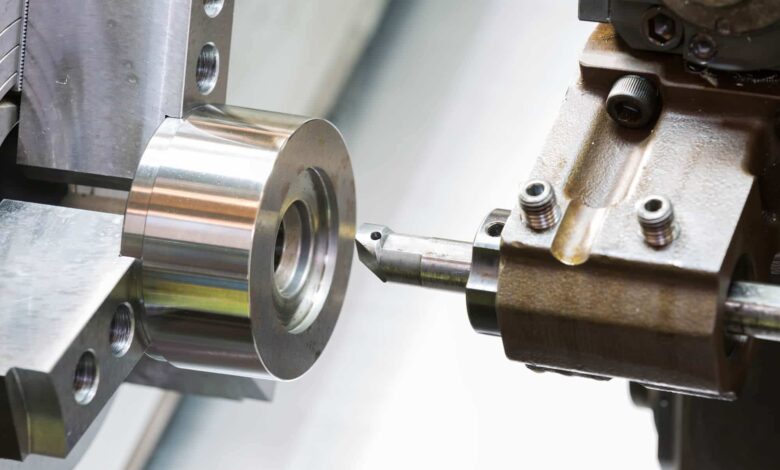
Traditional machining follows a subtractive manufacturing approach, removing material from solid stock to create the final geometry. Material utilization varies significantly based on component complexity, but commonly ranges between thirty to sixty percent for complex parts. The removed material, while potentially recyclable, requires separate handling processes and generates immediate waste disposal costs. This material loss directly affects per-unit production costs, particularly when working with expensive alloys or specialized materials.
Labor requirements differ substantially between these processes. Powder metallurgy often operates with higher automation levels, reducing direct labor costs per component while requiring skilled technicians for process setup and quality monitoring. Traditional machining may involve more hands-on operation, especially for complex geometries or small production runs, but offers greater flexibility for design modifications without significant tooling changes.
Initial Investment and Tooling Considerations
The tooling requirements for powder metallurgy involve substantial upfront investment in precision dies and compacting equipment. These tools must maintain exact dimensional tolerances throughout thousands of production cycles while supporting the pressure and temperature conditions inherent to the process. The initial cost barrier can be significant, but the tooling typically supports high-volume production with consistent repeatability that aligns with ISO quality management principles.
Traditional machining tooling costs vary widely based on component complexity and production volume requirements. Simple geometries may require minimal specialized tooling beyond standard cutting tools and work-holding fixtures. Complex components might necessitate custom fixtures, specialized cutting tools, and multiple machine setups, but these investments generally remain lower than powder metallurgy tooling for equivalent production capacity.
Production Volume Impact on Unit Economics
Volume thresholds significantly affect the economic comparison between these manufacturing methods. Powder metallurgy demonstrates cost advantages that increase with production volume, as the fixed tooling costs distribute across more units while maintaining consistent cycle times. The process excels in medium to high-volume applications where the per-unit material and labor savings offset the initial tooling investment.
Traditional machining maintains economic viability across broader volume ranges, from prototype quantities through medium production runs. The flexibility to adjust processing parameters, modify tooling configurations, and accommodate design changes without major capital investment makes machining particularly suitable for applications with uncertain volume projections or evolving specifications.
Quality Consistency and Process Control Capabilities
Process repeatability affects both quality outcomes and production costs in certified manufacturing environments. Powder metallurgy inherently supports consistent dimensional accuracy through controlled compaction pressures and sintering temperatures. Once process parameters stabilize, component-to-component variation typically remains within tight tolerances without continuous adjustment. This consistency reduces inspection requirements, minimizes rework, and supports the systematic quality management that ISO 9001 certification demands.
The controlled nature of powder metallurgy also enables predictable material properties throughout production runs. Density variations, when they occur, follow predictable patterns based on powder characteristics and processing parameters. This predictability supports statistical process control methods and reduces the sampling frequency required for quality verification compared to processes with higher inherent variation.
Traditional machining offers different quality control advantages, particularly in dimensional accuracy and surface finish control. Skilled operators can adjust cutting parameters in real-time to compensate for tool wear, material variations, or other process changes. This adaptability can maintain quality standards across varying conditions, but requires more intensive monitoring and documentation to satisfy quality management requirements.
Material Property Control and Consistency
Powder metallurgy creates materials with unique property profiles that differ from wrought or cast equivalents. The sintering process produces controlled porosity levels that can be engineered for specific applications, such as self-lubricating bearings or filtration components. These properties remain consistent within established process windows, supporting applications where predictable performance characteristics are essential.
The material properties achieved through powder metallurgy often eliminate secondary operations required with traditionally machined components. Self-lubricating characteristics, controlled porosity, or specific density requirements can be built into the component during initial processing, reducing handling costs and simplifying quality verification procedures.
Traditional machining works with materials having established property databases and predictable behavior under various processing conditions. This familiarity reduces uncertainty in process planning and quality prediction, particularly when working with new alloys or specialized materials where powder metallurgy processing parameters may require development time and validation.
Inspection and Documentation Requirements
Quality-certified facilities must maintain comprehensive documentation for both manufacturing methods, but the inspection approaches differ significantly. Powder metallurgy components often require density measurements, microstructural analysis, and other specialized tests beyond dimensional verification. These requirements may increase inspection costs but typically follow standardized procedures that integrate well with quality management systems.
Traditional machining primarily relies on dimensional inspection and surface finish measurement, using equipment and procedures familiar to most quality departments. The inspection processes generally require less specialized equipment and training, potentially reducing quality control costs while maintaining certification requirements.
Secondary Processing and Finishing Considerations
Secondary processing requirements significantly impact the total cost comparison between powder metallurgy and traditional machining. Powder metal components often require minimal secondary operations due to their near-net shape capability, but may need specialized treatments to achieve specific surface properties or dimensional accuracy. These treatments, such as coining, sizing, or infiltration, typically involve dedicated equipment and controlled processes that integrate with primary production.
The porous nature of standard sintered components can complicate certain finishing operations, such as plating or painting, unless additional sealing processes are employed. These considerations must factor into total production costs, particularly for components requiring specific aesthetic or corrosion resistance properties. However, many powder metal applications benefit from the inherent porosity, such as components requiring controlled fluid permeability or oil retention characteristics.
Traditional machining typically produces components requiring fewer specialized secondary processes, as material properties and surface characteristics more closely match final requirements. Standard finishing operations, such as deburring, surface treatments, or assembly preparations, follow established procedures using conventional equipment. This compatibility with existing finishing capabilities can reduce total production costs and simplify process qualification requirements.
Surface Treatment and Coating Compatibility
Surface treatment options vary significantly between powder metal and machined components due to differences in surface porosity and microstructure. Powder metal parts may require pore sealing before certain coatings can be applied effectively, adding process steps and associated costs. However, the controlled porosity can enhance adhesion for certain coating systems, potentially improving coating durability and performance.
Traditional machining produces surfaces with predictable characteristics that support standard coating and treatment processes without additional preparation steps. This compatibility with existing surface treatment capabilities can simplify process qualification and reduce development costs for new applications or coating systems.
Equipment Utilization and Operational Efficiency
Production equipment utilization patterns affect operational costs differently for powder metallurgy and traditional machining operations. Powder metallurgy equipment typically operates in dedicated production campaigns, processing similar components in large batches to maximize material handling efficiency and process stability. This approach supports high equipment utilization rates but requires careful production planning to balance inventory costs with manufacturing efficiency.
The batch-oriented nature of powder metallurgy also affects quality control procedures and certification requirements. Process validation typically covers entire production lots, and quality sampling strategies must account for position-dependent variations within sintering furnace loads. These considerations influence production scheduling and inventory management strategies within quality-certified facilities.
Traditional machining equipment offers greater scheduling flexibility, accommodating mixed production schedules and rapid changeovers between different components. This flexibility can reduce inventory holding costs and improve responsiveness to customer demands, but may result in lower overall equipment utilization rates compared to dedicated powder metallurgy operations.
Maintenance and Operational Support Requirements
Equipment maintenance requirements differ substantially between these manufacturing approaches, affecting operational costs and production reliability. Powder metallurgy equipment, particularly sintering furnaces and compacting presses, requires specialized maintenance expertise and may have longer planned maintenance intervals. The controlled atmosphere requirements for sintering operations add complexity to maintenance procedures but typically follow predictable schedules.
Traditional machining equipment maintenance generally involves more frequent but shorter duration activities, such as tool changes, fixture adjustments, and routine calibration procedures. The maintenance expertise required typically aligns with existing facility capabilities, potentially reducing specialized support costs and minimizing production disruptions.
Long-term Cost Implications and Strategic Considerations
The long-term cost implications of manufacturing method selection extend beyond immediate production economics to include facility development, workforce training, and market positioning considerations. Powder metallurgy capabilities can open access to applications where traditional machining proves economically impractical, such as complex internal geometries or multi-material components. These capabilities may justify initial investment costs through access to higher-value market segments.
Process scalability considerations also affect long-term cost structures. Powder metallurgy demonstrates predictable scaling characteristics, with per-unit costs declining as production volumes increase within established capacity limits. Capacity expansion typically requires significant capital investment in additional equipment, but the process economics remain favorable for sustained high-volume production.
Traditional machining offers different scaling advantages, particularly in the ability to adjust capacity incrementally and accommodate varying production requirements without major process changes. This flexibility supports business models with fluctuating demand patterns or diverse product portfolios, where dedicated powder metallurgy equipment might remain underutilized.
Risk Management and Business Continuity
Risk management considerations affect the total cost of ownership for both manufacturing approaches. Powder metallurgy operations face unique risks related to powder handling, atmosphere control, and specialized equipment reliability. These risks require specific mitigation strategies and may affect insurance costs or business continuity planning, but the predictable nature of the process supports systematic risk management approaches.
Traditional machining operations face different risk profiles, with greater exposure to material availability fluctuations and skilled operator dependency. However, the widespread availability of machining capabilities provides alternative sourcing options and reduces dependency on specialized process knowledge or equipment suppliers.
Conclusion
The cost analysis between powder metallurgy and traditional machining reveals distinct economic profiles that favor different operational scenarios within ISO 9001 facilities. Powder metallurgy demonstrates clear advantages in high-volume production environments where material efficiency, consistent repeatability, and automated processing align with quality management objectives. The initial tooling investment and specialized process requirements are offset by superior material utilization and reduced labor intensity as production volumes increase.
Traditional machining maintains economic viability across broader application ranges, offering flexibility in volume scaling, design modifications, and process control that suits diverse manufacturing requirements. The lower entry barriers and compatibility with existing equipment and expertise make machining particularly suitable for facilities managing multiple product lines or uncertain volume projections.
Quality-certified facilities must consider both immediate cost implications and long-term strategic positioning when selecting manufacturing methods. The decision affects not only production economics but also capability development, market access, and operational risk profiles. Success requires aligning manufacturing method selection with business objectives while maintaining the systematic quality management that certification demands. Both powder metallurgy and traditional machining can support certified operations effectively, but their optimal applications depend on specific volume requirements, quality objectives, and operational constraints that vary significantly across different manufacturing environments.