Reducing Costs in Fashion Production with 3D Design and Rendering
Traditional fashion workflows often involve multiple stages of physical sampling. Designers create sketches, manufacturers produce prototypes, and brands review and revise samples several times before approving a final version. Each iteration requires materials, labor, shipping, and time.
On top of that, marketing requires expensive photoshoots, studio rentals, models, photographers, and post-production. If changes are needed after the shoot, brands often face reshoots or costly edits. For startups and mid-sized brands, these expenses can slow growth or limit the number of collections they can release each year.
This is where digital solutions offer a clear advantage.
How 3D Design Transforms Fashion Development
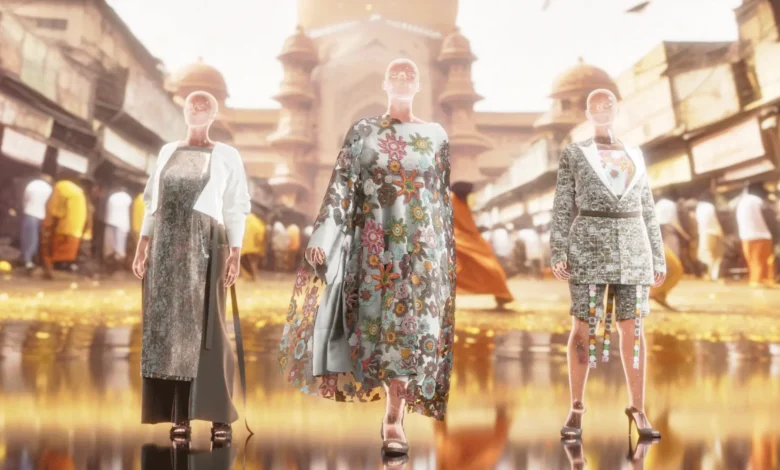
3D design allows fashion brands to move from concept to final product in a fully digital environment. Instead of creating physical samples at every stage, designers can visualize garments in 3D, make adjustments instantly, and test different variations without additional cost.
Using 3D modeling in product design, brands can create accurate digital versions of clothing items based on patterns, measurements, and fabric properties. These models replicate real-world behavior such as drape, fit, and structure, allowing teams to identify issues early in the process.
This approach significantly reduces the number of physical samples required. In many cases, brands can move directly from a finalized 3D model to production, saving money on materials, labor, and shipping while also shortening development timelines.
Faster Iterations, Lower Risk
One of the biggest financial risks in fashion is committing to production before fully validating a design. With traditional methods, changes after sampling can be costly or even impossible.
3D workflows eliminate this risk by enabling rapid iterations. Designers can test colors, fabrics, silhouettes, and details digitally, share updates with stakeholders instantly, and finalize decisions with confidence. This speed reduces costly mistakes and allows brands to respond more quickly to trends and market feedback.
As a result, companies can release collections faster and with greater accuracy, reducing overproduction and unsold inventory.
Cutting Marketing Costs with 3D Product Visualization
Beyond product development, marketing is another major expense for fashion brands. High-end photoshoots are costly and time-consuming, especially when products are still in development or need frequent updates.
This is where 3D product rendering becomes a powerful cost-saving tool. By transforming 3D models into photorealistic images, brands can create high-quality visuals without traditional photography. These renders can be used across e-commerce platforms, social media, lookbooks, and advertising campaigns.
With high-quality product renders, there is no need to organize multiple photoshoots for different colors or styles. Once the model exists, variations can be generated digitally, saving thousands of dollars while maintaining visual consistency.
Improving E-Commerce Efficiency and Conversions
Cost reduction is not just about spending less—it’s also about earning more efficiently. In e-commerce, product visuals play a critical role in customer decision-making. Poor images lead to hesitation, returns, and lost sales.
High-quality 3D renders provide clear, detailed, and consistent visuals that help customers understand fit, texture, and construction. This clarity reduces uncertainty and improves trust, which can lead to higher conversion rates and fewer returns.
By investing in strong digital visuals upfront, brands lower long-term operational costs related to logistics, customer support, and reverse shipping.
Supporting Sustainable and Scalable Fashion
Reducing costs often goes hand in hand with sustainability. Physical sampling generates waste, excess materials, and carbon emissions from shipping. By shifting to digital design and visualization, brands reduce their environmental footprint while also cutting expenses.
3D workflows support made-to-order and small-batch production models, allowing brands to test products digitally before committing to large runs. This flexibility is especially valuable for emerging fashion labels that need to scale carefully without financial risk.
As sustainability becomes a purchasing factor for consumers, digital-first production also strengthens brand positioning and long-term value.
Real Benefits for Startups and Established Brands
For fashion startups, 3D design levels the playing field. Smaller brands can compete with established players by launching collections faster, reducing upfront costs, and presenting products with premium-quality visuals.
For established brands, 3D technologies streamline complex workflows across global teams. Designers, manufacturers, and marketers can collaborate using the same digital assets, reducing miscommunication and inefficiencies that lead to costly delays.
In both cases, the financial benefits compound over time as brands refine their digital processes.
To Sum Up
As fashion continues to evolve, digital tools are no longer optional—they are essential. Brands that embrace 3D design and rendering gain greater control over costs, timelines, and creative output. They can adapt faster, waste less, and deliver better experiences to customers.
By integrating 3D Modeling in Product Design for development and 3D Product Rendering for marketing and sales, fashion brands create a smarter, more cost-efficient production pipeline. This shift not only reduces expenses but also unlocks new opportunities for innovation, sustainability, and growth in an increasingly competitive market.
In the long run, reducing costs through 3D technology isn’t just about saving money—it’s about building a more agile and future-ready fashion business.