Resale Value Planning for Work Truck Fleets

Managing a work truck fleet is more than just day-to-day operations; it’s also about long-term financial strategy. One of the key factors affecting profitability is the resale value of your vehicles. Proper planning ensures that your fleet maintains high resale value, which can significantly impact overall business costs. For businesses operating in Oklahoma, understanding how to maintain and maximize the value of each OK work truck is essential. This article explores strategies and best practices for planning resale value, helping fleet managers make informed decisions that optimize their investment over the lifespan of their vehicles.
Selecting the Right Vehicles
The first step in resale value planning is choosing the right vehicles for your fleet. Not all work trucks hold their value equally. Factors such as brand reputation, model reliability, fuel efficiency, and maintenance history can influence how well a truck retains value over time. Opting for models with strong resale performance from reputable manufacturers ensures that your fleet remains an asset rather than a liability when it’s time to upgrade or sell.
Maintaining Consistent Maintenance Records
A well-documented maintenance history is critical for maximizing resale value. Buyers are willing to pay more for work trucks with clear records of routine servicing, oil changes, tire rotations, brake inspections, and other preventive care. Implementing a consistent maintenance schedule and keeping detailed records not only improves performance and safety but also signals to potential buyers that the fleet has been well cared for.
Routine Mechanical Inspections
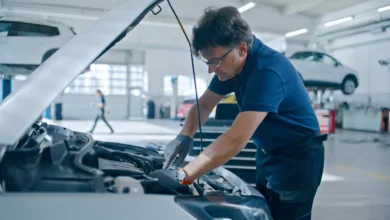
Beyond scheduled maintenance, periodic mechanical inspections help identify potential issues before they escalate. For work trucks that endure heavy workloads, detecting early signs of engine wear, transmission problems, or suspension issues ensures timely repairs. Addressing these issues proactively preserves the truck’s condition, helping maintain higher resale value when the vehicle is eventually sold.
Exterior Care and Upkeep
The visual condition of a work truck has a significant impact on resale value. Regular washing, waxing, and detailing protect the paint and body from rust, corrosion, and sun damage. Small dents, scratches, or rust spots should be addressed promptly to prevent further deterioration. Maintaining the exterior ensures the vehicles remain attractive to potential buyers and better retain value over time.
Interior Maintenance
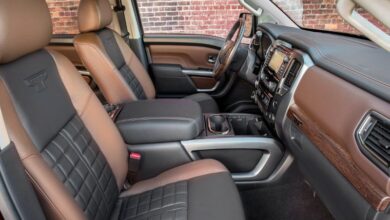
The interior of a work truck also affects resale value. Regular cleaning, upholstery care, and protection against excessive wear and tear help keep the cabin in good condition. For trucks used in heavy-duty operations, using seat covers, floor mats, and dashboard protectants can minimize damage from dirt, debris, and sun exposure. A well-maintained interior can increase buyer confidence and positively influence resale pricing.
Managing Mileage and Usage
High mileage often correlates with reduced resale value, especially for work trucks subjected to heavy workloads. Implementing strategies to manage mileage, such as optimizing routes, consolidating trips, or sharing vehicles among employees, can reduce excessive wear. Monitoring usage through telematics or fleet management systems also helps identify vehicles that may need replacement sooner and allows for more strategic resale planning.
Upgrading Technology and Features
Modern buyers often seek work trucks equipped with updated technology, safety features, and comfort enhancements. Retrofitting older trucks with new tech, such as backup cameras, GPS tracking, or advanced safety systems, can make them more appealing on the resale market. Investing in upgrades strategically can increase resale value and attract a wider pool of potential buyers.
Tire Care and Suspension Management
Tires and suspension components are critical for both safety and resale value. Regularly rotating tires, maintaining proper inflation, and replacing worn tires promptly help extend their life and maintain vehicle performance. Similarly, monitoring suspension systems for wear ensures smooth operation and prevents damage that could reduce resale pricing. A truck with well-maintained tires and suspension is more attractive to buyers and often commands a higher resale price.
Keeping Original Parts and Documentation
When replacing parts or performing upgrades, retaining original components and documentation is beneficial. Potential buyers value trucks with stock parts, original manuals, and documentation of past repairs. Keeping these records organized demonstrates transparency and reliability, which can positively influence resale negotiations.
Strategic Timing for Selling
Timing plays a crucial role in resale value. Work trucks depreciate over time, but the rate of depreciation can vary depending on market demand, model year, and economic conditions. Selling trucks before they reach critical mileage thresholds or before significant maintenance issues arise can maximize returns. Monitoring resale trends and planning fleet rotation strategically helps fleet managers optimize value recovery.
Leasing vs. Owning Considerations
Deciding whether to lease or own work trucks affects resale planning. Leasing may reduce the direct concern for resale value since the leasing company handles depreciation. However, for owned fleets, implementing long-term maintenance, upgrades, and rotation strategies is essential to preserve value. Evaluating the costs and benefits of each approach helps determine the most financially advantageous path for your fleet.
Fleet Rotation and Replacement Strategy
A proactive fleet rotation plan ensures vehicles are replaced before they lose significant value. By tracking each truck’s age, mileage, and maintenance history, fleet managers can determine the optimal time for resale or replacement. Regular rotation minimizes the risk of mechanical failures, keeps the fleet modern, and maximizes resale returns for older vehicles.
Environmental and Climate Considerations
For work truck fleets in Oklahoma, environmental factors such as dust, heat, and road conditions can accelerate wear. Implementing measures to protect trucks from harsh conditions, such as covered parking, protective coatings, or routine inspections after extreme weather, preserves both functionality and appearance. Vehicles that withstand local environmental stressors are more likely to retain higher resale value.
Branding and Customization Impact
Customizations or branding on work trucks, such as company logos or decals, can affect resale value. While these features serve marketing purposes, they may reduce appeal to private buyers. Planning for future resale by using removable decals or neutral color schemes helps maintain versatility and maximizes resale potential when selling or trading fleet vehicles.
Financial Planning for Depreciation
Understanding depreciation patterns is essential for effective resale planning. Work trucks typically lose value most rapidly in the first few years. Accounting for this depreciation when budgeting for new purchases, maintenance, and upgrades ensures a more accurate financial picture. Forecasting resale value as part of long-term fleet management supports better decision-making and investment strategies.
Utilizing Professional Appraisals
Professional appraisals provide an objective assessment of a truck’s current value, factoring in mileage, condition, market trends, and equipment. Seeking periodic appraisals helps fleet managers make informed decisions about when to sell, upgrade, or retain vehicles. Appraisals also provide documentation that can justify pricing when negotiating with buyers or dealers.
Conclusion
Resale value planning is an essential aspect of managing a successful work truck fleet. From selecting the right vehicles and maintaining mechanical and cosmetic condition to strategically timing sales and managing mileage, each step contributes to maximizing return on investment. Proper interior and exterior care, fleet rotation strategies, and technology upgrades further enhance resale potential. By understanding these principles and implementing thoughtful planning, reduce long-term costs, and support efficient and profitable operations. With careful management, resale planning transforms fleet vehicles from simple tools into valuable financial assets.