The Complete Stainless Steel Gearbox Specification Guide: From Grade Selection to Performance Testing
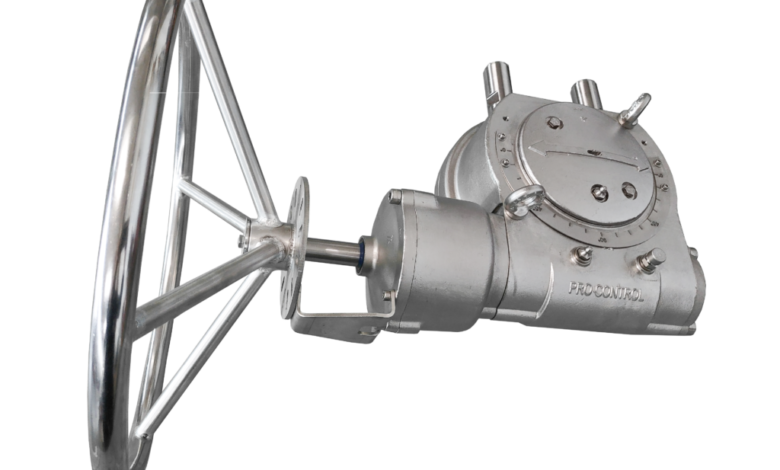
Industrial operations across food processing, pharmaceutical manufacturing, and chemical production face mounting pressure to maintain equipment that can withstand harsh environments while delivering consistent performance. Traditional cast iron and steel gearboxes often fail when exposed to corrosive substances, moisture, or stringent sanitation requirements, leading to unexpected downtime and costly replacements.
Equipment managers increasingly recognize that material selection directly impacts operational reliability. When standard gearbox materials cannot meet environmental demands, stainless steel alternatives provide the corrosion resistance and durability needed for critical applications. Understanding the technical specifications behind these specialized components helps operations teams make informed decisions that reduce long-term maintenance costs and improve system reliability.
The challenge lies in matching gearbox specifications to actual operating conditions. Poor material selection can result in premature failure, while over-specification increases initial costs without meaningful performance benefits. This specification guide examines the key factors that determine stainless steel gearbox performance in demanding industrial environments.
Understanding Stainless Steel Grade Classifications for Gearbox Applications
Stainless steel grades determine how well a gearbox performs under specific environmental conditions. Each grade offers different levels of corrosion resistance, strength, and temperature tolerance based on its chemical composition. For comprehensive technical information on grade selection and application requirements, refer to this Stainless Steel Gearbox guide that covers industry-specific considerations.
The most common grades used in gearbox manufacturing include austenitic stainless steels, which provide excellent corrosion resistance and maintain strength across temperature ranges. These grades resist pitting and crevice corrosion when exposed to chlorides and acids commonly found in food processing and chemical applications.
Martensitic grades offer higher hardness and wear resistance but sacrifice some corrosion protection. Operations requiring maximum durability under mechanical stress often benefit from these grades, particularly in applications where abrasive materials are present but chemical exposure remains limited.
Austenitic Grades for Chemical Resistance
Austenitic stainless steels provide superior chemical resistance due to their chromium and nickel content. These grades maintain structural integrity when exposed to organic acids, salt solutions, and cleaning chemicals used in sanitation processes. The non-magnetic properties of austenitic grades also prevent interference with sensitive electronic equipment in automated systems.
Operations processing dairy products, beverages, or pharmaceuticals benefit from austenitic grades because they resist stress corrosion cracking under thermal cycling. The material’s ability to maintain surface finish reduces bacterial adhesion and simplifies cleaning procedures required for regulatory compliance.
Duplex Grades for High-Strength Applications
Duplex stainless steels combine the corrosion resistance of austenitic grades with the strength of ferritic grades. These materials handle higher torque loads while maintaining chemical resistance, making them suitable for heavy-duty applications in marine environments or chemical processing plants.
The higher yield strength of duplex grades allows for more compact gearbox designs without sacrificing performance. Operations can reduce equipment footprint while maintaining the same power transmission capabilities, providing space savings in crowded plant layouts.
Environmental Factors That Drive Material Selection
Operating environment conditions directly influence which stainless steel grade will provide reliable long-term performance. Temperature fluctuations, chemical exposure, and moisture levels create specific challenges that standard materials cannot address effectively.
High-temperature applications require grades that maintain strength and resist oxidation at elevated temperatures. Operations involving steam cleaning, thermal processing, or heated chemical reactions need materials that won’t lose mechanical properties when subjected to thermal stress over extended periods.
Chemical compatibility becomes critical when gearboxes operate near process equipment handling corrosive substances. Even indirect exposure through vapor or spray can cause rapid degradation in unsuitable materials. Understanding the specific chemicals present in the operating environment helps identify which stainless steel grade provides adequate protection.
Moisture and Humidity Considerations
Constant moisture exposure creates conditions for crevice corrosion and pitting, particularly in areas where water can accumulate around seals and mounting surfaces. Stainless steel gearboxes resist this type of degradation better than traditional materials, but grade selection still matters based on the severity of moisture exposure.
Operations in coastal areas face additional challenges from salt-laden air that accelerates corrosion in standard materials. Marine-grade stainless steels provide the chloride resistance needed for reliable operation in these environments without requiring frequent protective coatings or maintenance.
Temperature Cycling Effects
Repeated heating and cooling cycles create thermal stress that can cause cracking in materials with poor thermal expansion characteristics. Stainless steel gearboxes handle thermal cycling better than cast iron alternatives because they expand and contract more uniformly, reducing stress concentrations at critical points.
Food processing operations that require frequent washdown cycles with hot water followed by ambient temperature operation benefit from stainless steel’s thermal stability. The material maintains dimensional accuracy through temperature changes, ensuring consistent gear mesh and reducing wear over time.
Load Capacity and Mechanical Properties
Mechanical properties determine how well a stainless steel gearbox handles operational loads without failure. Yield strength, fatigue resistance, and impact toughness directly affect service life and reliability under varying load conditions.
The relationship between corrosion resistance and mechanical strength requires careful consideration during specification. Higher alloying content that improves chemical resistance can sometimes reduce mechanical properties, requiring design modifications to maintain load capacity.
Understanding the trade-offs between different properties helps operations teams select gearboxes that meet both environmental and mechanical requirements without over-engineering the solution. According to NIST materials science research, proper material selection based on actual operating conditions significantly improves equipment reliability and reduces total cost of ownership.
Fatigue Resistance Under Cyclic Loading
Repeated loading cycles cause microscopic crack formation that eventually leads to component failure. Stainless steel gearboxes demonstrate superior fatigue resistance compared to standard materials because the alloy composition inhibits crack propagation under stress.
Applications with frequent start-stop cycles or variable loading benefit from stainless steel’s ability to resist fatigue damage. The material’s work-hardening characteristics actually improve strength in high-stress areas over time, extending service life beyond initial design calculations.
Impact and Shock Load Tolerance
Sudden load changes from equipment startup, material feeding, or process upsets create shock loads that can damage gearbox components. Stainless steel’s toughness helps absorb these impact loads without brittle failure, maintaining operational capability even when subjected to unexpected stress.
Operations handling bulk materials or operating equipment with variable load characteristics require gearboxes that can accommodate shock loading without damage. The ductility of stainless steel allows some deformation under extreme loads rather than catastrophic failure, providing operational safety margins.
Surface Finish Requirements for Hygienic Applications
Surface finish quality directly impacts cleanability and bacterial resistance in food processing, pharmaceutical, and biotechnology applications. Stainless steel gearboxes can achieve surface finishes that meet stringent sanitary standards while maintaining mechanical integrity.
Smooth surface finishes reduce particle adhesion and simplify cleaning procedures required for regulatory compliance. The ability to achieve and maintain proper surface finish throughout the gearbox service life depends on material selection and manufacturing processes used during production.
Hygienic design requirements often specify surface roughness limits and cleaning validation procedures that standard materials cannot meet. Stainless steel gearboxes provide the surface quality needed for applications requiring frequent sanitation without degradation from cleaning chemicals or procedures.
Electropolishing for Enhanced Cleanability
Electropolishing removes microscopic surface irregularities and creates a passive oxide layer that enhances corrosion resistance. This process produces surfaces that resist bacterial adhesion and allow complete cleaning with standard sanitation procedures.
Food processing operations requiring validation of cleaning effectiveness benefit from electropolished stainless steel surfaces that eliminate harbourage points for contaminants. The smooth, chemically inert surface maintains its properties throughout repeated cleaning cycles without degradation.
Passivation for Corrosion Protection
Passivation treatment creates a protective chromium oxide layer on stainless steel surfaces that prevents corrosion initiation. Properly passivated gearbox surfaces maintain their protective properties even when subjected to mechanical stress or chemical exposure during normal operation.
The passivation process removes free iron and other contaminants that could compromise corrosion resistance. Regular passivation maintenance ensures continued protection in demanding applications where surface integrity is critical for long-term performance.
Quality Assurance and Performance Testing
Testing procedures validate that stainless steel gearboxes meet specification requirements before installation. Comprehensive testing identifies potential issues that could affect performance and provides confidence in long-term reliability under actual operating conditions.
Material certification documents the chemical composition and mechanical properties of the stainless steel used in gearbox construction. These certificates provide traceability and ensure that materials meet specified grades and quality standards required for the application.
Performance testing under simulated operating conditions reveals how the gearbox will behave during actual service. Load testing, vibration analysis, and thermal cycling help identify design limitations and validate expected service life under specific operating parameters.
Corrosion Testing Methods
Salt spray testing exposes gearbox components to accelerated corrosion conditions that simulate years of environmental exposure in compressed timeframes. These tests validate the corrosion resistance of selected materials and surface treatments under controlled laboratory conditions.
Immersion testing in specific chemicals encountered during operation provides direct evidence of material compatibility. Testing with actual process chemicals rather than generic solutions ensures that the gearbox will perform reliably when exposed to the specific corrosive environment present in the application.
Mechanical Property Verification
Tensile testing confirms that the stainless steel meets specified strength requirements and demonstrates adequate ductility for the application. These tests provide data on yield strength, ultimate strength, and elongation properties that directly relate to load-carrying capacity.
Hardness testing throughout the gearbox components ensures uniform material properties and identifies potential weak points that could affect reliability. Consistent hardness values indicate proper heat treatment and material processing during manufacturing.
Conclusion
Specifying stainless steel gearboxes requires careful consideration of environmental conditions, mechanical requirements, and application-specific needs. The selection process must balance corrosion resistance, mechanical properties, and cost to achieve optimal performance in demanding industrial environments.
Understanding the relationship between material grades, environmental factors, and performance requirements enables operations teams to make informed decisions that improve equipment reliability while controlling costs. Proper specification reduces maintenance requirements and extends service life, providing long-term value in critical applications.
Success depends on matching gearbox specifications to actual operating conditions rather than applying generic solutions. Taking the time to properly evaluate requirements and select appropriate materials pays dividends through improved reliability, reduced downtime, and lower total cost of ownership over the equipment’s service life.