The Unseen Work That Happens Before a Single Wrench Is Picked Up
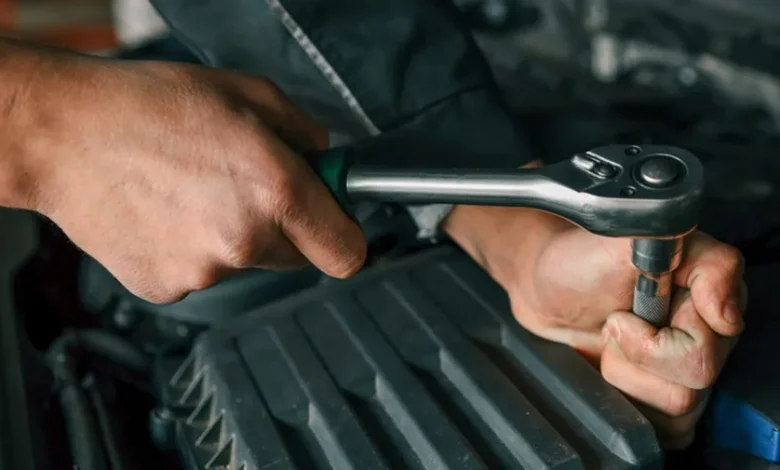
The visible part of a hydraulic repair is the physical work: components removed and replaced, hoses cut and fitted, seals pressed into place, fluid changed and circuits flushed. This is the work that produces the repaired machine. But it is not where the quality of the repair is determined. The quality is determined in the work that happens before any of that, in the preparation and diagnostic thinking that precede the physical intervention.
This unseen work is where skilled service separates itself from adequate service, and understanding it helps equipment operators and site managers recognise the difference between the two.
The Preparation That Enables Efficient Repair
A hydraulic repair service that consistently delivers fast, accurate field repairs does so on the foundation of preparation that is largely invisible to the people receiving the service. Parts inventory decisions made weeks or months earlier determine whether the technician arrives with what is needed to complete the repair without a supply chain delay. Vehicle maintenance schedules ensure that the service vehicle and its equipment are in working order when they are needed. Training programs that expose technicians to a wide range of machine types and failure scenarios mean that the person arriving at the breakdown has encountered similar problems before.
None of this preparation is visible at the moment of the repair. Its presence is felt in the speed and completeness of the resolution. Its absence is felt in the delays, the return visits, and the escalating frustration of a site waiting for a problem to be properly resolved.
The Diagnostic Work Before the Physical Work
Before the right component can be replaced, the right component must be identified. In a hydraulic system where multiple failure modes can produce similar symptoms, this identification requires systematic diagnostic work that draws on instrumentation, observation, and pattern recognition built from experience.
The diagnostic phase of a repair is often invisible to the client in the sense that it does not look like work in the way that physical disassembly does. A technician standing at a machine, observing its behaviour under load, reading pressure gauges, and thinking through the implications of what the instruments are showing is doing some of the most valuable work of the entire repair. The physical work that follows is only as good as the diagnosis that preceded it.
Rushing or skipping this phase to appear responsive is one of the most common ways that field repairs fail to resolve the actual problem. A replacement made on an incorrect diagnosis is a replacement that will need to be made again after the symptom reappears.
Why the Unseen Work Deserves Recognition
Equipment operators and maintenance managers who understand the value of pre-repair preparation and diagnostic rigour make better decisions about which service providers to trust and how to evaluate the quality of the work they receive. A provider who explains their diagnostic process, who communicates what they found and why they made the repair decisions they did, is one whose unseen work is worth paying for.
The wrench is the last step in a chain of preparation and thinking that begins long before the service vehicle arrives. Recognising the value of that chain is the first step toward demanding the standard of service that consistently produces repairs that hold.