The Wide World of Crystals
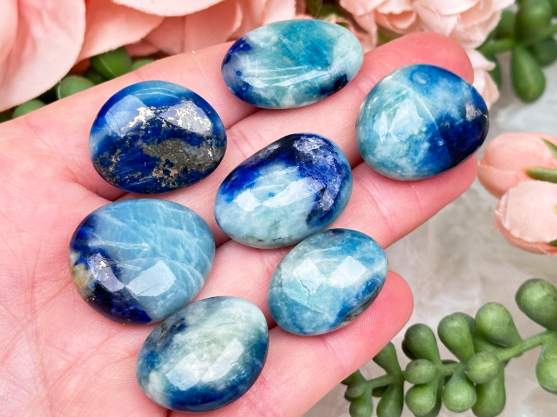
Crystals exist on a vast range, from stones that are found almost everywhere to pieces so uncommon that only a handful are known at any given time. Whether someone is browsing crystals for sale out of curiosity or building a serious collection, it quickly becomes clear that rarity is not a fixed label. What makes crystals especially fascinating is how their availability can change over time, shaped by new discoveries, exhausted deposits, and shifting demand. A crystal considered rare today may become more accessible tomorrow, while a once-common variety from a specific location can quietly become scarce once its source is gone.
What Makes a Crystal Common or Rare
A crystal’s rarity is influenced by several factors, not just how often the mineral itself exists in nature. Some minerals form easily under a wide range of conditions, making them more common across the globe. Quartz is a perfect example. It is one of the most abundant minerals on Earth and appears in countless forms, from clear points to colorful varieties like amethyst, citrine, and smoky quartz. Because quartz grows readily, it is often considered common overall.
However, rarity becomes more nuanced when you look closer. A crystal can be common as a species but rare as a specific formation, color, or origin. For example, quartz itself is widespread, but certain quartz varieties from a single mine or with unusual inclusions may be extremely hard to find. This layered idea of rare crystals is what makes crystal collecting so dynamic.
Common Crystals and Why They Still Matter
Common crystals are often the gateway into the world of stones. Quartz, amethyst, rose quartz, calcite, fluorite, and jasper are widely available and come from many regions. Their availability does not diminish their beauty or appeal. In fact, their diversity is part of what makes them so beloved. Amethyst can range from pale lavender to deep purple, jasper can appear in countless patterns and colors, and calcite can form in everything from soft pastels to bold oranges and greens.
These crystals are also constantly being rediscovered in new ways. A familiar stone might appear with a rare phantom, an unusual crystal habit, or a striking association with another mineral. Even within common categories, there are endless variations that keep collectors interested. A Brazilian amethyst geode feels very different from one found in Uruguay, even though they belong to the same mineral family.
When Common Turns Uncommon
Some crystals sit comfortably in the middle ground, not truly rare but not easily found either. Stones like labradorite, moonstone, garnet, and tourmaline fall into this category. They are known worldwide and mined regularly, yet high-quality pieces with strong color, clarity, or unusual formations can be much harder to source.
Tourmaline is a great example of how one crystal can exist across multiple levels of rarity. Black tourmaline is relatively common and found in many places, while certain colors like neon blue Paraíba tourmaline are exceptionally rare and highly sought after. Even within black tourmaline, a well-formed, aesthetic crystal cluster from a specific mine may be far less common than tumbled stones or rough chunks.
Rare Crystals and Why They’re Hard to Find
Rare crystals often form under very specific conditions that don’t occur frequently. These stones may require a precise combination of temperature, pressure, chemical composition, and time. Minerals like painite, benitoite, jeremejevite, and taaffeite are often cited as rare because they are found in only a few locations worldwide, sometimes in very small quantities.
Other crystals are considered rare because their known deposits are limited or no longer actively mined. Some localities produce a mineral for only a short window of time before the deposit is exhausted or access becomes impossible. Once that happens, the stones already collected become increasingly valuable and difficult to replace.
How New Discoveries Change Rarity
One of the most fascinating aspects of crystal rarity is how quickly it can change. New finds can suddenly shift a stone’s status from extremely rare to moderately available. This has happened multiple times throughout history as new mines are discovered in places like Madagascar, Pakistan, Afghanistan, and Brazil. A crystal that was once known only from one small region may suddenly appear in larger quantities when a new deposit is uncovered.
At the same time, increased mining can also lead to the opposite effect. Once a deposit is heavily worked, high-quality material may disappear quickly. What remains may be lower grade or fragmented, making fine specimens harder to find even though the mineral itself is still technically available.
Rare Within the Common
One of the most misunderstood aspects of crystal rarity is the idea that a stone must be rare overall to be valuable or special. In reality, some of the rarest pieces belong to very common crystal families. Quartz again is a perfect example. While quartz is everywhere, certain forms like enhydro quartz with moving water bubbles, natural smoky citrine from specific regions, or quartz with rare inclusions like chlorite phantoms or petroleum pockets can be extremely uncommon.
The same applies to calcite, fluorite, and feldspar. A typical calcite crystal may be easy to find, but a perfectly formed cobalt-rich pink calcite or a sharp, transparent fluorite cube from a famous, now-closed mine can be highly sought after. These stones show how rarity often lives in the details rather than the name alone.
Location and Its Role in Rarity
Where a crystal comes from matters just as much as what it is. Certain localities become famous for producing exceptional specimens, and once those locations stop yielding material, their crystals take on a special status. A stone from a well-known mine can be far rarer than the same mineral from a more common source.
Collectors often value locality information because it connects the crystal to a specific moment in geological and human history. A piece from a long-closed mine is not just a crystal, but a record of a place and time that can never be recreated.
Rarity Versus Personal Value
While rarity plays a big role in collecting and pricing, it doesn’t always determine personal value. Many people feel more connected to stones that are considered common because they are accessible, familiar, and emotionally meaningful. A rose quartz picked out during a personal milestone may hold far more importance than a rare mineral locked away in a display case.
Rarity can also be subjective depending on perspective. A crystal that is common in one country may be extremely hard to find in another. Access, awareness, and local availability all shape how rare a stone feels to the person encountering it.
The Ever Changing Landscape of Crystals
The crystal world is always evolving. New discoveries, changing mining practices, and growing interest continue to reshape what is considered common or rare. As more people learn about minerals and begin collecting, attention shifts toward unique formations, ethical sourcing, and stones with strong visual character rather than just rarity alone.
This constant change is part of what keeps crystals so compelling. They are not static objects with fixed value or meaning. Instead, they exist on a fluid range, moving between common and rare depending on discovery, location, and context. Whether a crystal is widely available or nearly impossible to find, each one tells a story shaped by the earth and by the people who uncover it.