Three-Quarter Cue Cases: The Choice of Serious Snooker and Pool Players
Whether you are a snooker player at your local club or a pool player competing at a high level, your cue is, without a doubt, the most crucial piece of equipment you have. A good-quality cue is a substantial investment, not only in terms of money but also in terms of the time you have to spend breaking it in. It only makes sense, then, that taking steps to protect it should be a high priority. That’s exactly what a good cue case can help you do.
There’re a variety of cue cases on the market, ranging from basic to elaborate, and everything in between. Knowing what’s out there and what to look for can be the difference between making a wise investment and one that will let you down at the worst possible time.
Why You Need a Cue Case
It may be tempting to just lean your cue against a wall or carry it casually to and from your club, but this is a recipe for disaster. Cues are precision tools. Even a small ding or a slight bend in the shaft can make a big difference in your game, and once warping sets in, it is notoriously hard to reverse.
The most obvious use of a cue case is for protection. A quality one will absorb shocks that would otherwise damage the tip, ferrule, or shaft. Cues are easily dented and scratched, and the tip is especially vulnerable to damage that will change the way it strikes the ball. A padded hard case offers a level of protection that a cloth sleeve cannot match.
But aside from protecting your cue from physical damage, a case also shields it from environmental elements. Wood expands and contracts with changes in humidity and temperature. If your cue is subjected to these changes – say, you left it in the boot of your car overnight in winter – it could end up warped.
Then, of course, there is the question of convenience and professionalism. Bringing a cue case to a club or tournament is a sign that you are serious about your game. Most come with pockets or compartments for storing accessories such as chalk, a tip tool, extension rods, and cleaning cloths.
Finally, a case will protect your investment over the long term. A mid-range snooker cue could cost anywhere from £50 to several hundred pounds; a bespoke cue could cost thousands. In comparison to the cost of a replacement or repair of a damaged cue, the cost of a quality case is very reasonable.
Three-Quarter Cue Cases: The Choice of Serious Players
One of the most popular types available on the market today is the 3/4 cue case. To see why, it is helpful to understand the nature of three-quarter cues themselves.
Unlike a standard two-piece cue, which separates into two equal parts, a three-quarter cue separates into a shorter butt and a longer top section that represents approximately three-quarters of the overall length of the cue. This allows the important striking section to remain as a single, unbroken piece, which many players believe enhances the cue’s performance characteristics.
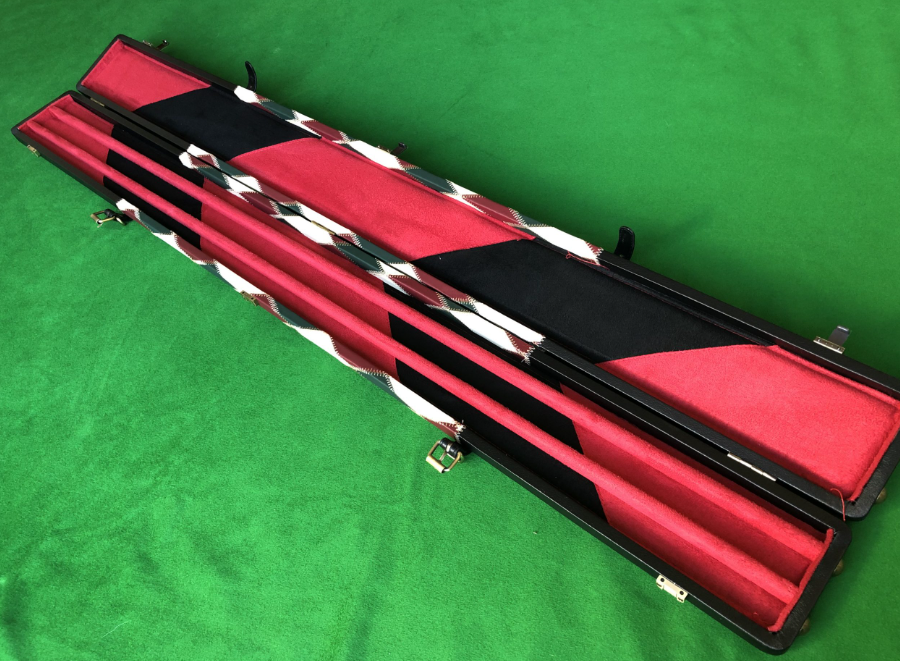
High-quality 3/4 cue cases are designed specifically to fit this type of setup. They are longer than standard two-piece cases, measuring anywhere from 130 to 145 centimetres, to fit the longer top piece. The butt end is held in a separate compartment or sleeve, sometimes secured by Velcro straps or foam inserts. This ensures that both pieces are held firmly in place during transport, so that they do not knock against each other.
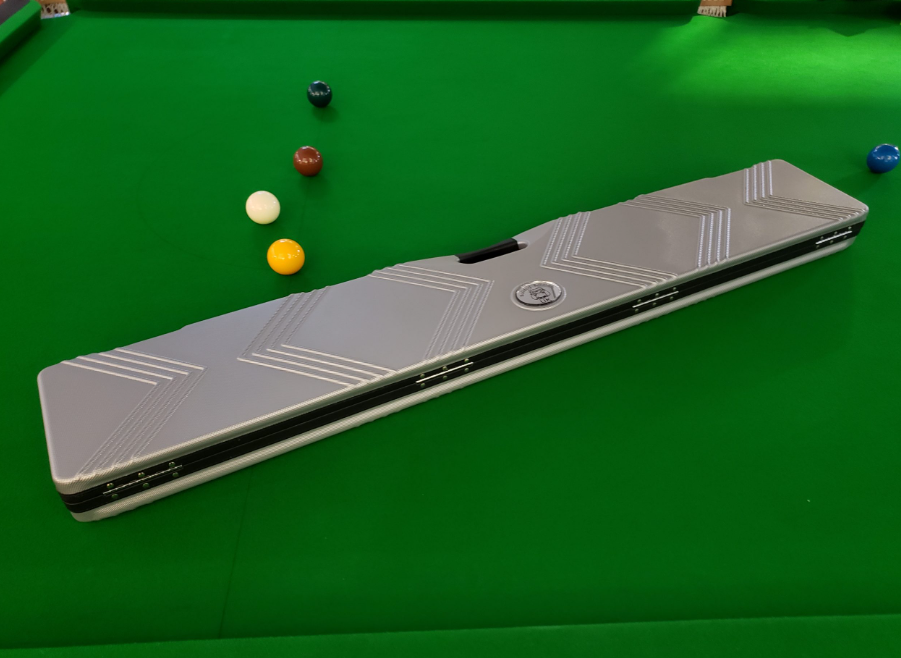
The 3 4 cue cases can be either soft or hard. Soft cases are made of nylon or canvas with foam inserts and are very portable, making them the best option for frequent transport to and from the club. Hard cases, constructed from aluminium or rigid PVC, are more durable and provide better protection for the cue, making them the best option for frequent travellers or professional players who cannot have their equipment compromised.
Many 3/4 cases are designed with multiple cue capacity in mind, and they can easily hold two or even three cues side by side. This is a great feature for players who carry a spare or who use different cues for different parts of the game. Additional pockets on the outside or inside give players a convenient place to store chalk, extension pieces, and other accessories.
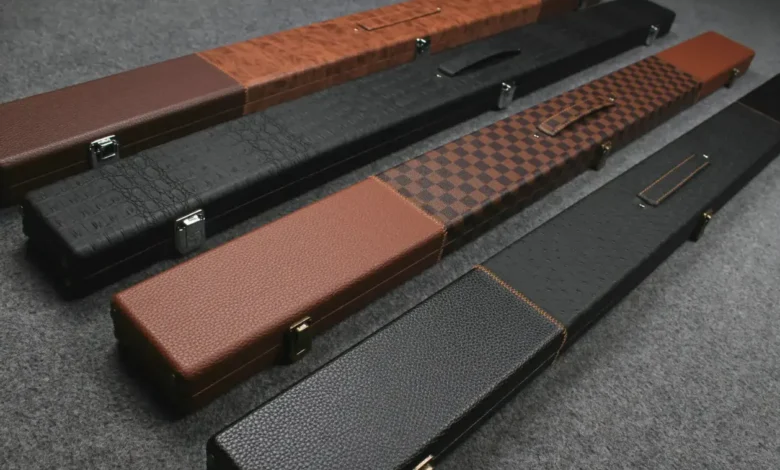
From a cosmetic standpoint, three-quarter cases have become something of a fashion statement in the world of snooker. Premium 3/4 cue cases are available in a variety of materials, and they come complete with professional stitching, metal clasps, and seams that give them a look to match their functionality.
What to Consider When Choosing
The first thing to consider is cue compatibility. Check that the case is suitable for your style of cue, whether this is a two-piece, three-quarter, or full-length cue, and that it has enough room inside to hold it comfortably. A case that is too tight may put pressure on the cue, while one that is too loose may cause it to shift around inside during transport.
The next thing to consider is the level of protection you require. If you are a frequent traveller, especially by public transport or plane, then a hard shell case is definitely worth the extra weight. However, if you are one of those players who drives to your local club once or twice a week, then a soft case should be sufficient.
Storage capacity is also a factor. Consider what accessories you normally carry with you and whether there is enough room in the case for them. Some models provide a single zipped pocket, while others feature multiple compartments, extension pockets, and even a chalk pouch. The more organised your equipment, the easier your pre-game routine will be.
Quality and materials used in the construction of the case are also important. Check for strong zips, reinforced stitching on the stress points, and good lining materials that won’t scratch your cue. Handles and straps should be securely fixed and comfortable, particularly if you plan on carrying the case any distance.
Think about your budget in relation to the value of your cue. As a rough guide, it is pointless to spend money on a case that is going to protect a £300 cue if you only spend £10 on it. A good rule of thumb is to spend ten to fifteen per cent of the value of your cue on a decent case.
Finally, a cue case is not an optional extra – it’s an essential part of any serious player’s kit. Choose wisely, and your cue will serve you well for many years.