Top Picks: Best Push Walker for Toddlers
Watching your toddler take those first wobbly steps is an unforgettable milestone, and a quality push walker can make this journey safer and more enjoyable. These supportive tools provide the stability young children need as they build strength, coordination, and confidence in their walking abilities. Push walkers offer more than just physical support—they encourage exploration, independence, and active play during a crucial developmental stage.
Choosing the right push walker involves understanding what features truly matter for your child’s safety and development. With countless options flooding the market, parents often feel overwhelmed by varying designs, price points, and claimed benefits. This guide cuts through the confusion by examining the essential features, safety considerations, and top-rated options available today. Whether your little one is just beginning to pull up or already cruising along furniture, finding the perfect push walker can transform those tentative steps into confident strides while keeping playtime both fun and secure.
Key Features to Consider
When selecting a best push walker for baby, the foundation of your decision should rest on durability and construction quality. Look for walkers made from solid wood or high-grade plastic that can withstand the inevitable bumps, drops, and enthusiastic pushing that comes with toddler use. The frame should feel substantial without being excessively heavy, allowing your child to maneuver it while providing adequate resistance to prevent runaway rolling.
Weight distribution plays a critical role in how well a walker performs. Models with a lower center of gravity prevent tipping when toddlers pull themselves up or lean heavily on the handlebar. Check that the base extends beyond the handle area to create a stable footprint. The wheel mechanism deserves careful attention—rubber wheels work best on hardwood and tile floors, while plastic wheels suit carpeted areas. Some premium models offer adjustable wheel resistance, letting you increase friction as your child gains confidence and strength.
Handle height and grip comfort directly impact how naturally your child can use the walker. The handlebar should align roughly with your toddler’s chest or slightly below when they stand upright, promoting proper posture rather than hunching or reaching. Textured grips or padded handles prevent slipping and reduce hand fatigue during extended play sessions. Storage capacity matters too—walkers with built-in compartments or baskets encourage imaginative play as children transport their favorite toys around the house, making the walker a versatile toy rather than a single-purpose tool.
Safety Features
Safety should be your primary concern when evaluating any push walker, starting with the wheel system’s speed control. The most dangerous scenario occurs when a walker rolls too quickly, causing your toddler to lose balance and fall forward. Quality walkers incorporate friction pads, adjustable tension knobs, or rubberized wheels that provide just enough resistance to match your child’s walking pace. Test the walker on your home’s flooring—it should move smoothly when pushed deliberately but not race ahead when your child leans on it.

A wide, sturdy base prevents the most common accidents associated with push walkers. The walker should remain upright even when your toddler pulls up aggressively on one side or pushes down on the handle. Rounded edges and smooth surfaces eliminate sharp corners that could cause injury during inevitable tumbles. Check for any small detachable parts that present choking hazards, and ensure all screws and fasteners sit flush with the surface or are covered by protective caps.
Certification marks from recognized safety organizations indicate the walker has undergone rigorous testing for stability and construction quality. Look for non-toxic finishes and BPA-free plastics, especially since toddlers frequently put toys in their mouths. Anti-slip foot pads on the walker’s base prevent sliding on smooth floors, while the absence of entrapment gaps protects little fingers from getting pinched between moving parts.
Design and Comfort
The physical design of a push walker significantly influences how comfortably and naturally your toddler can use it throughout their developmental journey. Adjustable handle heights accommodate growth spurts, extending the walker’s useful lifespan from those first tentative steps through confident striding. Models with multiple height settings let you customize the position to match your child’s torso length, ensuring they maintain an upright posture rather than slouching or straining their shoulders. This adjustability typically ranges across three to five positions, providing flexibility as your toddler grows several inches over the months they’ll use the walker.
Ergonomic handle design goes beyond simple height adjustment. Contoured grips that fit naturally in small hands reduce fatigue and encourage longer play sessions, while the handlebar width should allow your child to push with arms comfortably shoulder-width apart. Some walkers feature dual horizontal bars rather than a single rail, giving toddlers options for hand placement as they experiment with balance and control. Padding or soft-touch materials on contact points prevent blisters during enthusiastic pushing sessions.
Visual appeal and tactile variety keep toddlers engaged with their walker. Bright colors, interesting textures, and age-appropriate themes transform the walker from a mobility aid into a beloved toy. Smooth-rolling action without excessive noise matters for indoor use—squeaky wheels quickly become irritating for parents. The overall footprint should navigate standard doorways and hallways without constant maneuvering, making the walker practical for everyday home use rather than an obstacle that gets stored away.
Interactive Elements
Interactive features transform a basic push walker into an engaging learning tool that captures your toddler’s attention for extended periods. Activity panels with buttons, gears, and spinning elements develop fine motor skills while encouraging cause-and-effect understanding. Musical components that play melodies or sound effects when activated reward your child’s exploration and make walking practice feel like playtime rather than a developmental exercise. Look for walkers with removable activity boards that can function independently, providing entertainment even when your toddler needs a break from walking.
The best interactive elements strike a balance between stimulation and simplicity. Overly complex panels with dozens of sounds can overwhelm young children and create sensory overload, while too-basic designs fail to maintain interest. Tactile variety through different textures, movable parts, and shape sorters keeps toddlers engaged as they discover new features over time. Consider volume control options that let you adjust sound levels or mute features entirely during quiet times. Interactive elements should complement the walker’s primary mobility function rather than distracting from it, encouraging your child to push and explore simultaneously rather than stopping to play at every step.
Age Appropriateness
Selecting a push walker that matches your toddler’s developmental stage ensures they can use it safely and effectively. Most push walkers suit children between 9 and 18 months who can pull themselves to standing but haven’t yet mastered independent walking. Before this age, babies typically lack the upper body strength and balance required to control a walker, while children who already walk confidently may find them unnecessary. Observe your child’s readiness signals—if they’re cruising along furniture and showing interest in forward movement, they’re likely prepared for a push walker.
Physical size and strength vary considerably among toddlers of the same age, making individual assessment more reliable than following age labels alone. Your child should be able to reach the handlebar comfortably while standing upright with slightly bent elbows, not stretching on tiptoes or hunching their shoulders. They need sufficient leg strength to support their body weight while pushing, though the walker itself provides stabilizing assistance. Start with slower wheel resistance settings for younger or less confident toddlers, gradually reducing friction as their coordination improves. Children approaching their second birthday often outgrow push walkers as they develop running skills and prefer faster-moving ride-on toys that match their increased mobility and adventurous spirit.
Reviews and Recommendations
The Hape Wonder Walker consistently ranks among top choices for its exceptional stability and thoughtful design. Its sturdy wooden construction features adjustable wheel resistance that parents can easily modify with a simple screw mechanism, making it suitable for both beginners and confident walkers. The integrated activity panel includes shape sorters, spinning gears, and peek-a-boo doors that maintain engagement without overwhelming toddlers. The wide base and rubber-edged wheels prevent tipping while protecting floors from scratches, though some parents note it works best on hard surfaces rather than thick carpeting.
The VTech Sit-to-Stand Learning Walker offers remarkable versatility as it transitions from a seated activity center to a standing push walker. Its removable electronic panel features over seventy songs, sounds, and phrases that teach numbers, colors, and shapes while encouraging movement. The lightweight plastic construction makes it easy for toddlers to maneuver, though this same feature means it requires the included friction pads on hardwood floors to prevent excessive speed. Parents appreciate the volume control and automatic shut-off features that preserve sanity and battery life.
For budget-conscious families, the Melissa & Doug Chomp & Clack Alligator Push Toy delivers solid performance without electronic components. The wooden alligator design features clacking sounds and spinning wheels that provide sensory feedback as toddlers push. Its simple construction means fewer parts to break, and the classic aesthetic appeals to parents preferring traditional toys. The fixed wheel resistance suits mid-stage walkers but may roll too freely for absolute beginners. The compact size navigates tight spaces easily but offers less storage capacity than larger models with built-in baskets or bins.

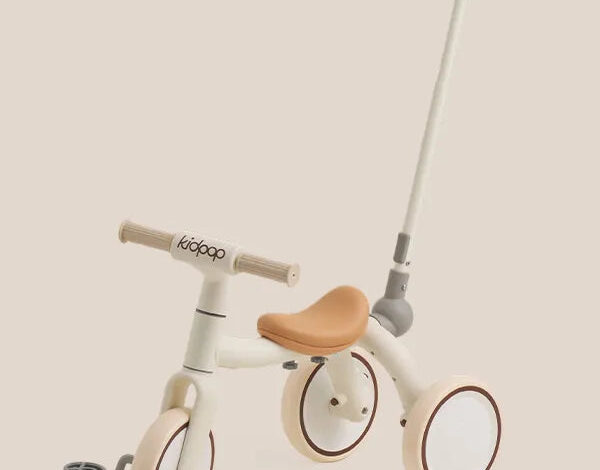
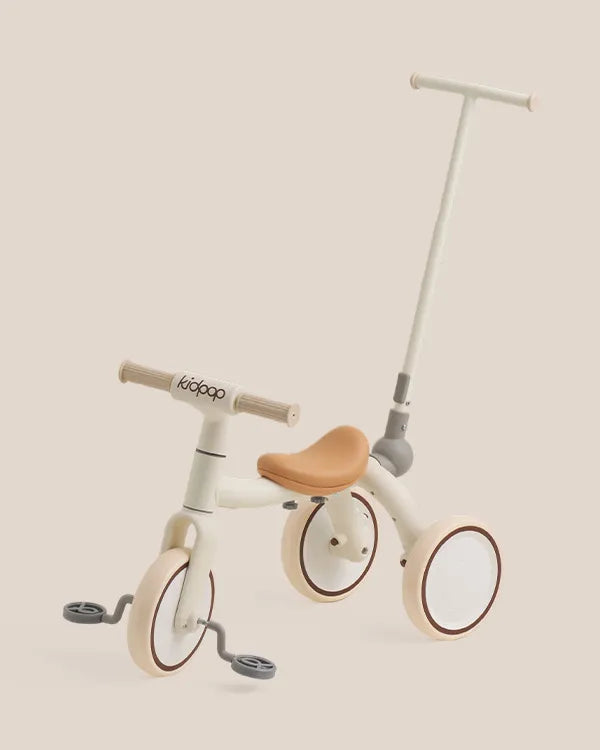
Kidpop has also entered the push walker market with models that emphasize bright, engaging designs and multi-functional play features. Their walkers typically include storage compartments and activity panels that appeal to toddlers who enjoy transporting toys during their walking practice sessions.
Making the Right Choice for Your Toddler
Selecting the best push walker for your toddler requires balancing safety, functionality, and engagement to support those exciting first steps. Prioritize models with adjustable wheel resistance, stable wide bases, and appropriate handle heights that accommodate your child’s current size and developmental stage. Whether you choose a wooden classic with timeless durability, an interactive electronic model with educational features, or a budget-friendly option with simple mechanics, the right walker should provide confident support without racing ahead or tipping during use.
Remember that every child develops at their own pace, so observe your toddler’s readiness signals rather than relying solely on age recommendations. Test the walker on your home’s flooring surfaces, ensure all safety features meet your standards, and consider how long the adjustable elements will extend its usefulness. A well-chosen push walker becomes more than a mobility aid—it transforms into a trusted companion that builds physical strength, spatial awareness, and independence during one of childhood’s most remarkable transitions. Invest in quality construction and thoughtful design, and you’ll provide your toddler with a tool that makes those wobbly first steps feel like confident adventures.