Understanding Hair Growth Solutions and How to Choose What Suits You

Introduction
Hair thinning and slow growth are common concerns for many Australians, affecting both men and women at different stages of life. Changes in seasons, hormones, nutrition, and environmental exposure such as strong UV levels can all influence how hair grows and sheds. With an overwhelming number of options on the market, from supplements to topical treatments, it is not always clear which solutions are genuinely helpful and which rely mainly on marketing claims.
Understanding how hair growth works, what can disrupt the cycle, and what topical products can realistically support is an important first step. This knowledge makes it easier to choose hair growth solutions wisely, based on evidence and long-term care rather than quick fixes.
How Hair Growth Actually Works
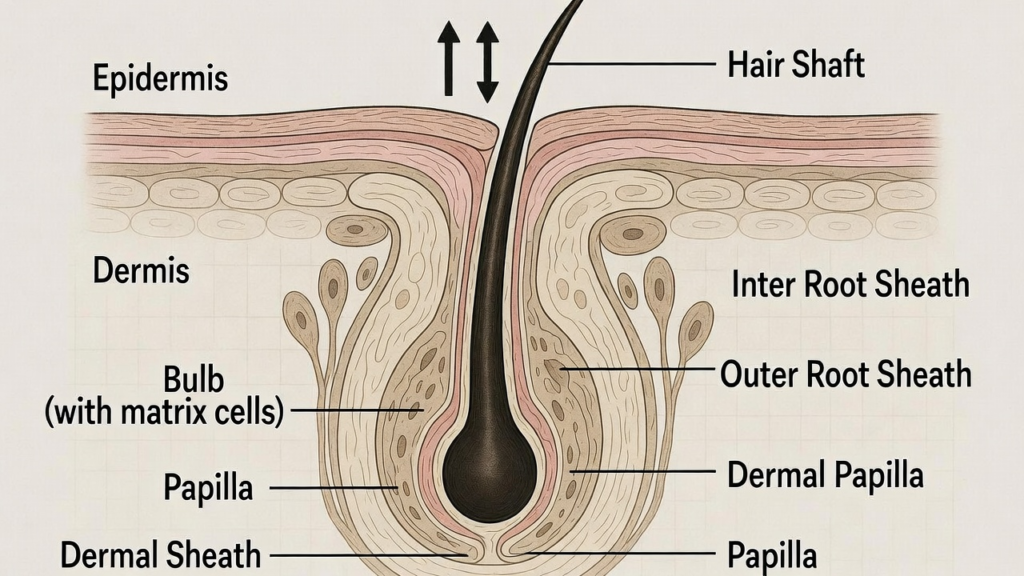
Cross section diagram illustrating hair follicle growth cycle
Hair grows from follicles located in the scalp. Each follicle cycles independently through three main stages: growth (anagen), transition (catagen), and rest (telogen). On average, scalp hair grows about one to one and a half centimetres per month, although genetics largely determine maximum length and density.
When people feel their hair is “not growing,” the issue is often breakage rather than slow follicle activity. Heat styling, chemical treatments, tight hairstyles, and environmental stress can weaken the hair shaft, causing it to snap before visible length increases.
Understanding this difference is important. Supporting growth involves both encouraging healthy follicle function and reducing damage along the length.
The Role of Topical Treatments
Topical treatments are designed to work directly on the scalp. These may include serums, tonics, foams, or a hair growth spray applied close to the roots. Such products often contain ingredients like caffeine, peptides, botanical extracts, or niacinamide, which are intended to support scalp circulation or improve the follicle environment.
While these treatments cannot override genetic limits, they may help maintain a healthier scalp condition and reduce inflammation. In practice, consistency matters more than intensity. Applying a small amount daily, as directed, is typically more beneficial than sporadic heavy use.
It is also important to patch test new products, particularly for individuals with sensitive skin. A balanced scalp environment is key; irritation can actually worsen shedding.
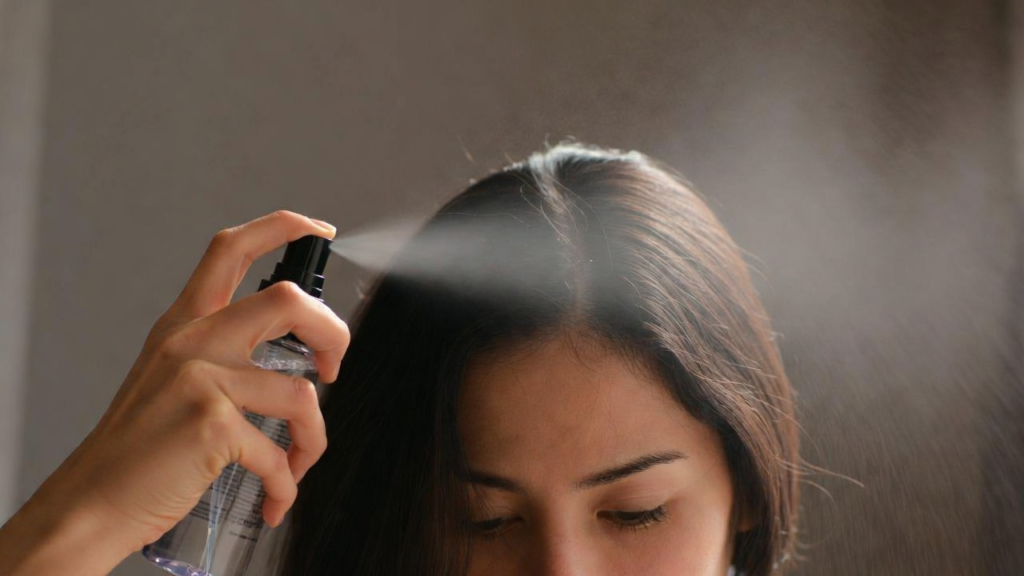
Close up of woman applying treatment spray to scalp
How to Choose Hair Growth Solutions Wisely: Understanding the Basics First
Hair growth support products can be grouped into several categories according to their mechanism of action and level of support they provide.
1. Topical Products
These include sprays, serums, and scalp treatments. Their primary function is to create a supportive surface environment for follicles and reduce local irritation.
2. Nutritional Supplements
Hair is composed primarily of protein (keratin), and deficiencies in iron, zinc, vitamin D, or protein can affect growth. Supplements may be useful if blood tests confirm a deficiency. However, taking large amounts without medical guidance is unlikely to accelerate growth.
3. Cosmetic Strengtheners
Conditioners, masks, and leave-in treatments improve elasticity and reduce breakage. While they do not directly stimulate follicles, they help retain length by protecting the hair shaft.
When evaluating the best hair growth products australia, it helps to compare which category a product belongs to and whether it addresses your specific concern — thinning at the scalp, breakage along the ends, or overall density.
Some brands, including Hair Folli, combine botanical ingredients with vitamins in their formulations. As with any product, individual responses vary, and realistic expectations are essential.
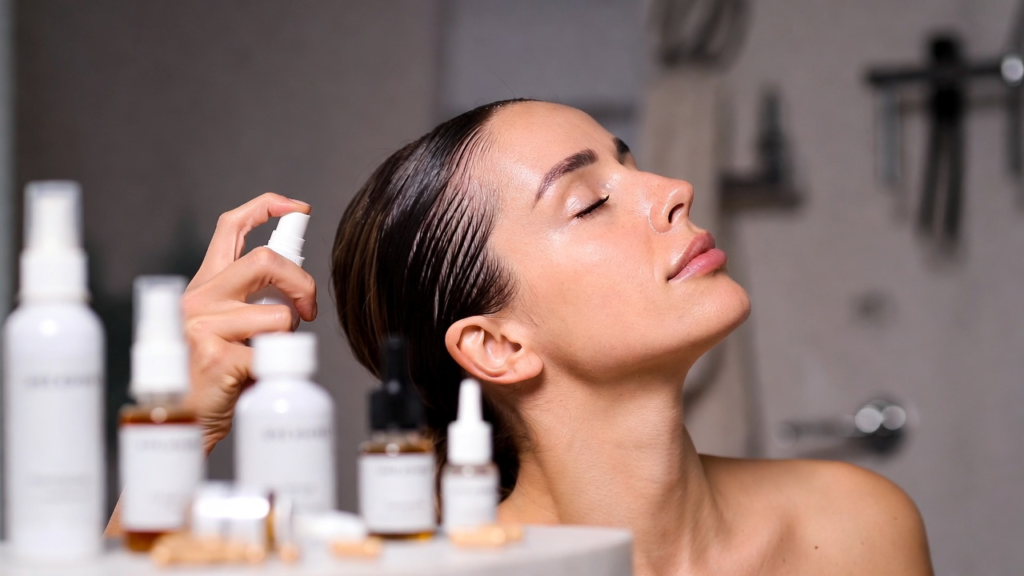
Topical serum bottles and vitamin capsules on table
Lifestyle Factors That Influence Results
Topical treatments are only part of the equation. Several daily habits can significantly affect hair health:
- Nutrition: Adequate protein and iron intake support keratin production.
- Stress management: High stress levels may trigger temporary shedding several months later.
- Heat styling habits: Frequent high-temperature styling weakens the hair cuticle.
- Sun protection: Australia’s UV levels can degrade hair proteins over time.
In clinical settings, it is common to see gradual improvement once internal deficiencies are corrected. However, this process can take three to six months, depending on the underlying cause.
Realistic Timelines for Visible Change
Hair growth is gradual. Most topical products require at least eight to twelve weeks of consistent use before noticeable changes appear. Early improvements often involve reduced shedding or improved hair texture rather than dramatic new growth.
Taking monthly photos in similar lighting can help track progress objectively. Daily mirror checks often exaggerate perceived thinning or slow progress.
It is also important to recognise that some shedding is normal. Losing between 50 and 100 hairs per day falls within the typical range.
When to Seek Professional Advice
If hair loss is sudden, patchy, or accompanied by symptoms such as fatigue, weight changes, or scalp discomfort, medical evaluation is recommended. Conditions such as thyroid imbalance, iron deficiency, or autoimmune disorders require targeted treatment.
A GP or dermatologist can perform blood tests or scalp assessments to determine whether the issue is temporary shedding or a more persistent pattern. Early assessment often prevents unnecessary experimentation with multiple products.
Building a Sustainable Routine
Rather than chasing multiple solutions simultaneously, many people benefit from a simplified routine:
- Cleanse the scalp regularly without over-washing.
- Use conditioning products to minimise breakage.
- Apply a targeted topical treatment consistently if appropriate.
- Maintain balanced nutrition and manage stress.
Consistency and patience are more effective than constantly switching products. Hair biology operates on its own timeline, and sustainable improvements tend to emerge gradually.
Conclusion: Choosing Hair Growth Solutions Wisely for Long-Term Results
Choosing hair growth solutions wisely starts with understanding how the hair growth cycle works and what truly influences it. While topical treatments, nutritional support, and gentle styling practices can all play a role, lasting results depend on consistent care, healthy scalp conditions, and realistic expectations.
Rather than chasing quick fixes, focusing on evidence-based routines and gradual improvement supports stronger, healthier hair over time. With informed decision-making and patience, Australians can build a sustainable approach to hair growth that aligns with how hair biology actually functions.