Virtual Open Houses: Benefits, & Lead Generation Guide 2026

The property market continues evolving as digital experiences shape how buyers search, compare, and shortlist homes. Traditional open houses still play a role, yet online property viewings now significantly influence purchasing decisions, as buyers visit website platforms for detailed insights. Virtual open houses offer estate agents and sellers a flexible, scalable way to present homes to a wider audience and improve lead generation.
Why Virtual Open Houses Are Transforming Property Sales
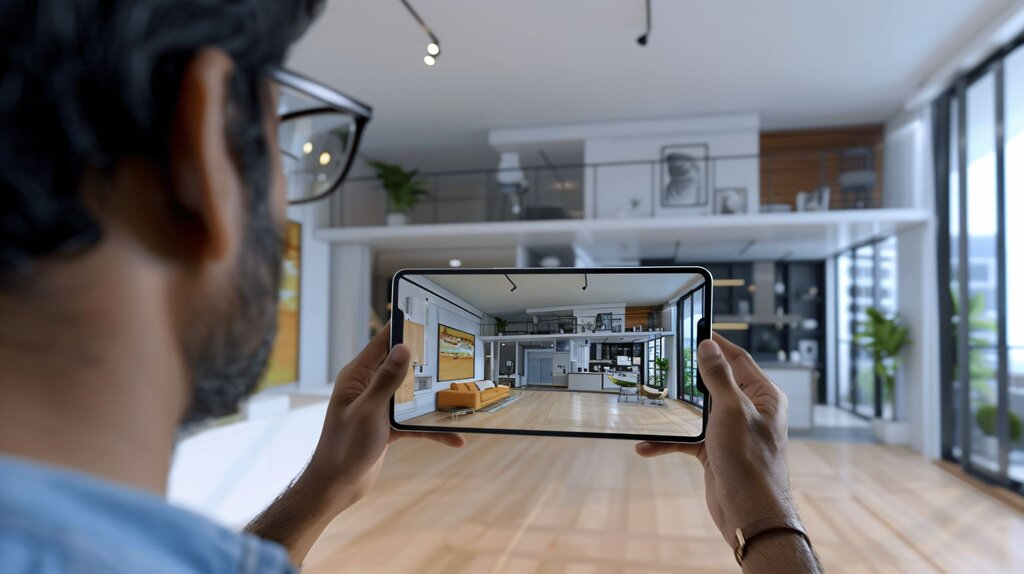
Virtual open houses allow buyers to attend live property tours from anywhere using video platforms, 3D walkthrough tools, or interactive streaming sessions. Unlike pre-recorded tours, these sessions provide real-time interaction, allowing potential buyers to ask questions and request closer views of key features, which also supports professionals offering corporate let services when showcasing managed developments. This format increases transparency, builds trust, and creates a personal connection between agent and buyer.
Buyers relocating from other cities or countries particularly benefit from remote access. Investors also appreciate the efficiency, as they can review multiple properties without travel costs while assessing developments supported by reliable block management services. Sellers gain broader exposure without the stress of repeated physical viewings disrupting daily routines.
How Virtual Open Houses Work
Most virtual open houses follow a structured process:
- Pre-Event Promotion: Listings are shared via property portals, social media, email campaigns, and agency websites.
- Registration & Lead Capture: Interested viewers sign up before the event, providing valuable contact information.
- Live Streaming Session: Agents host a guided tour, highlighting property features and answering questions in real time.
- Follow-Up Strategy: Recorded sessions are shared with registered leads, encouraging second viewings or offers.
Some agencies also integrate 360° tours and floor plan overlays to create immersive navigation. This enhances user experience and increases time spent on listing pages, positively impacting search visibility.
Key Benefits of Virtual Open Houses
The important benefits of the virtual open house are given below:
1. Wider Audience Reach
Virtual open houses remove geographical barriers, allowing overseas buyers, busy professionals, and relocating families to participate easily.
2. Higher Engagement
Live Q&A builds confidence and reduces uncertainty, helping buyers feel more connected to the property.
3. Better Lead Quality
Registration forms filter serious buyers and collect contact details for targeted follow-ups.
4. Reduced Costs
No staging resets, fewer physical appointments, and minimal travel expenses help lower marketing costs.
5. Data & Performance Tracking
Agencies can measure viewer numbers, engagement time, and post-event interactions to refine marketing strategies.
Virtual Open Houses vs Traditional Open House
| Feature | Virtual Open Houses | Traditional Open Houses |
| Audience Reach | Global access | Local visitors only |
| Cost | Lower operational costs | Higher staging & preparation costs |
| Lead Capture | Automated digital forms | Manual sign-in sheets |
| Convenience | Attend from anywhere | Physical presence required |
| Engagement | Live chat & recordings | Face-to-face interaction |
This comparison highlights why many agencies now adopt a hybrid model, combining both formats for maximum exposure.
Statistics Supporting Virtual Open Houses
Recent market insights indicate strong buyer preference for digital viewing options.
| Statistic | Insight |
| 67% of buyers | Prefer properties offering virtual viewing options |
| 40% increase | Higher engagement on listings with video tours |
| 3x more inquiries | Generated from interactive listings compared to static images |
| 50% faster decisions | When buyers attend a live virtual tour |
These trends confirm that digital property showcasing directly influences purchasing behaviour.
Best Practices for Hosting Successful Virtual Open Houses
- Professional Presentation: Use stable cameras, good lighting, and clear audio to maintain credibility.
- Structured Script: Plan a guided walkthrough covering key selling points, room dimensions, and unique features.
- Interactive Engagement: Encourage viewers to submit questions during the session.
- Strong Call to Action: Invite attendees to book private viewings or request valuation advice.
- Post-Event Follow-Up: Send personalised emails summarising highlights and next steps.
Challenges and How to Overcome Them
While virtual open houses offer strong advantages, preparation is essential. Technical issues such as poor connectivity or audio problems can reduce professionalism. Testing equipment before broadcasting prevents disruption.
Another challenge involves maintaining viewer attention. Keeping tours concise, structured, and visually engaging ensures higher retention rates. Clear communication also reassures buyers about the next steps and purchase processes.
Future Trends in Virtual Open Houses
Technology continues to advance rapidly within property marketing. Artificial intelligence, augmented reality, and interactive floor plan mapping are enhancing online viewings. Hybrid strategies combining in-person and virtual formats are expected to dominate the market.
As buyer expectations shift towards convenience and digital accessibility, virtual open houses are becoming a standard offering rather than a temporary solution.
Conclusion:
Virtual open houses have redefined how properties are marketed, making them accessible, interactive, and data-driven. They help agents generate qualified leads, expand global reach, and present homes professionally without geographical limits. As digital engagement becomes central to buyer decisions, integrating virtual open houses into marketing strategies ensures long-term competitiveness and measurable growth.
FAQs
1. What are virtual open houses?
Virtual open houses are live or interactive online property tours where buyers can view homes remotely and ask questions in real time. They combine video streaming, 3D tours, and digital engagement tools.
2. Are virtual open houses effective for selling property?
Yes, they increase audience reach, generate more enquiries, and help buyers make faster decisions through transparent digital interaction.
3. What equipment is needed for a virtual open house?
A stable internet connection, quality camera, microphone, and streaming platform are typically required for professional results.
4. Do virtual open houses replace traditional viewings?
They complement traditional viewings rather than fully replacing them, creating a hybrid marketing approach for maximum exposure.
5. How can virtual open houses improve SEO?
Interactive content increases dwell time, engagement metrics, and search visibility, helping property listings rank higher organically.