What is Steel Shed? Should We Build a Steel Shed?
Steel sheds have become a practical and widely adopted solution for storage, logistics, agriculture, and industrial applications. Thanks to their prefabricated structure, durability, and fast installation, steel sheds offer flexibility and efficiency compared to traditional buildings. This article provides a comprehensive overview of what a steel shed is, its common applications, and the key considerations when planning and constructing a steel shed to ensure long-term performance and safety.
1. What is Steel Shed?
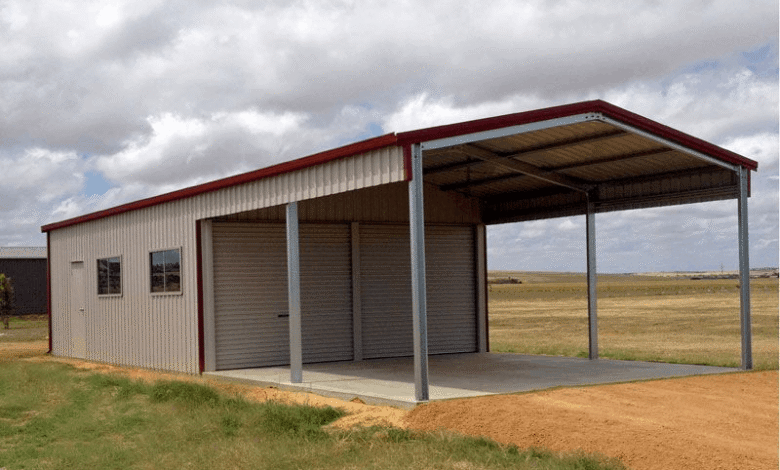
A steel shed is a prefabricated building primarily constructed from steel components, designed for storage, warehousing, or workshop purposes. Instead of using traditional materials such as brick, concrete, or reinforced concrete, a steel shed is assembled from pre-engineered steel frames, roof panels, and wall cladding manufactured in advance and installed on site.

A steel shed (Source: Internet)
The structure of a steel shed typically includes the foundation, floor slab, main steel frame, roofing system, and external enclosure. Depending on the scale and functional requirements, the foundation can range from a simple base for small buildings to a deep and robust foundation for large or high-rise steel sheds. Thanks to its durability, weather resistance, fast construction, and ease of expansion, the steel shed has become a widely used solution in industrial, logistics, and commercial applications.
2. Applications of Steel Shed
Industrial Storage: Steel sheds are widely used for storing raw materials and finished products in manufacturing, processing, and logistics industries. Their flexible design allows for various sizes and load capacities to meet operational needs.
Cold Storage and Food Preservation: In the food industry, steel sheds are commonly used as cold storage facilities for agricultural products, seafood, and frozen foods. Their construction supports effective thermal insulation and temperature control.
Agricultural Storage: Steel sheds are ideal for storing rice, coffee, corn, and other agricultural products. Well-ventilated structures help protect goods from moisture and spoilage.
3. Should We Build a Steel Shed?
Self-installing a steel shed or steel warehouse is possible; however, it requires solid technical knowledge, hands-on experience, and a clear understanding of steel fabrication and installation standards. These factors are critical to ensuring construction safety, accurate assembly, and a finished steel shed that meets both technical requirements and aesthetic expectations.
For this reason, the fabrication and erection of a steel shed are best handled by experienced professionals or reputable contractors. Many specialized companies now offer complete steel shed fabrication and installation services, helping project owners reduce risks, save time, and achieve consistent quality throughout the construction process.
4. How To Build a Steel Shed?
Building a steel shed requires proper planning, accurate execution, and attention to structural details to ensure durability, safety, and long-term use. Below are the essential steps involved in constructing a steel shed.
4.1. Choosing the right location
Selecting the right location for a steel shed has a direct impact on its stability and lifespan. The ground should be flat, firm, and well-drained to prevent settlement and moisture-related issues. Avoid low-lying or shaded areas where water may accumulate. It is also important to consider accessibility, sunlight exposure, and proximity to utilities if electricity or water will be needed inside the steel shed.
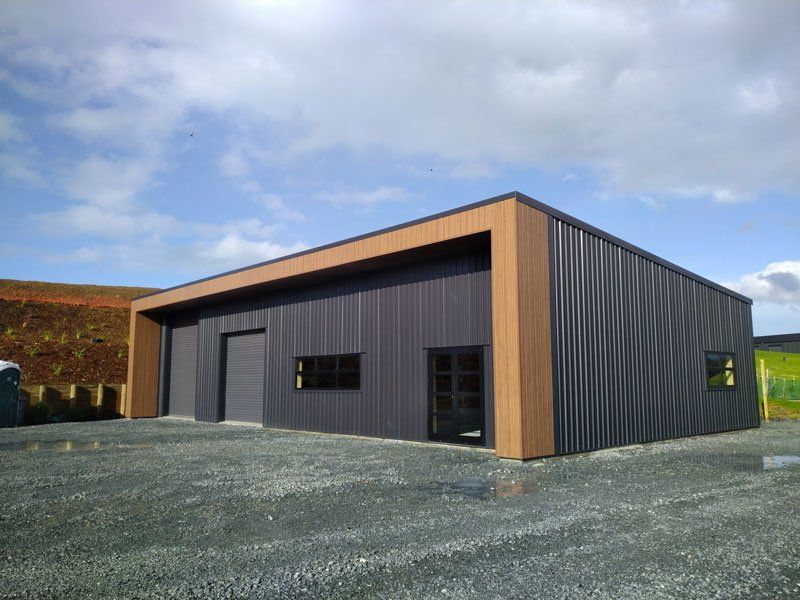
Choosing the right location to build a steel shed (Source: Internet)
4.2. Design the layout of your Steel shed
Before construction, the internal layout of the steel shed should be carefully planned. This includes defining storage areas, workspaces, walkways, and access points. A well-organized layout based on proper structural steel design helps optimize space, ensure balanced load distribution, and improve overall functionality. Planning at this stage also allows for future expansion, equipment installation, and efficient ventilation and lighting.
4.3. Choosing the Materials and Tools
High-quality materials are essential for building a reliable steel shed. Steel frames, wall panels, roofing sheets, fasteners, and protective coatings should be selected according to the design requirements. In addition, basic tools such as drills, levels, measuring tapes, and safety equipment must be prepared in advance. Using the right materials and tools ensures accurate assembly and reduces errors during construction.
4.4. Preparing the Foundation
A strong foundation provides the necessary support for a steel shed. The construction area must be cleared, leveled, and compacted before laying the foundation. Common foundation options include gravel bases, steel piers, or concrete slabs, depending on the size and purpose of the steel shed. A level foundation ensures correct alignment of structural components and long-term stability.

Preparing the foundation to build a steel shed (Source: Internet)
4.5. Assembling and Erecting the Shed
The final step is assembling and erecting the steel shed according to the approved drawings and instructions. Installation typically starts with the base frame, followed by wall frames, roof trusses, roof panels, and wall cladding. Doors, windows, and drainage systems are installed afterward. Proper installation techniques are crucial to ensure the steel shed is structurally sound, weather-resistant, and ready for long-term use.
4.6. Choosing the Reputable Steel Shed Fabrication
As discussed in this article, self-building a steel shed is technically feasible under certain conditions. However, this approach requires adequate technical knowledge, practical construction experience, and a thorough understanding of applicable standards to ensure structural safety, construction quality, and overall performance. In practice, many professional design and construction companies are available in the market, offering expert consultation and efficient installation solutions that help project owners reduce risks and improve construction outcomes.
***Note: This article is presented from a neutral perspective and is intended solely to provide informative and practical insights for readers. At present, Pebsteel does not undertake small-scale steel shed projects.
With more than 30 years of experience in pre-engineered buildings and structural steel construction, Pebsteel has successfully delivered over 6,000 projects across more than 50 countries worldwide. Supported by modern workflows and a highly experienced team of engineers and specialists, Pebsteel is well positioned to deliver large-scale, high-performance steel structures that meet international standards.
For professional consultation, please contact Pebsteel via email marketing@pebsteel.com.vn or phone +84 908 883 531 to receive expert guidance for your project!