Why Colonoscopy Screening Matters for Digestive Health in Singapore
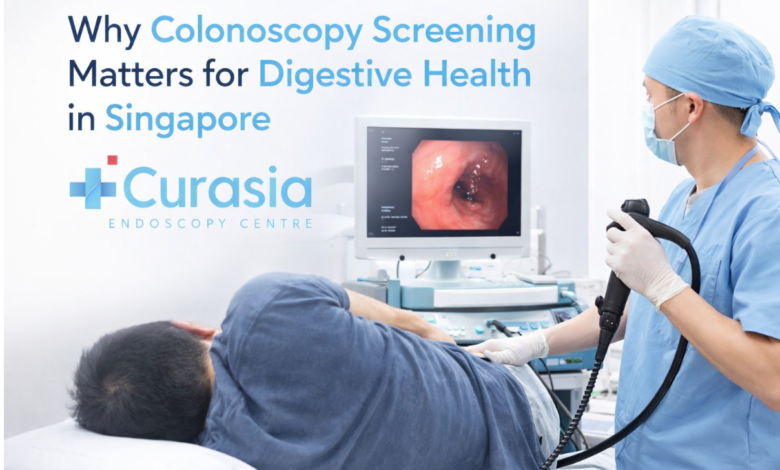
Digestive health plays a big role in overall wellbeing, yet many people ignore early signs of colon issues until symptoms become serious. Regular screening is one of the most reliable ways to detect potential problems before they develop into larger health concerns. Many patients now turn to colonoscopy Singapore services to check the condition of the colon and rectum, allowing doctors to identify abnormalities early and remove them before they become harmful.
A colonoscopy is a medical examination that allows doctors to view the inside of the large intestine using a thin flexible tube equipped with a small camera. This tool gives a clear view of the colon lining and helps specialists locate growths, inflammation, or other digestive irregularities that may not show symptoms in the early stages.
Understanding What Happens During a Colonoscopy
Many people feel nervous when they hear about colonoscopy screening, mainly because they are unfamiliar with the process. In reality, the procedure is carefully designed to be safe and comfortable for patients.
Here is what typically happens during the screening.
Preparation Before the Procedure
Doctors usually provide instructions to clean the colon before the examination. This preparation ensures the colon is clear so the doctor can see the lining properly.
Preparation often includes
- Following a specific diet for a short period before the test
- Drinking a prescribed cleansing solution
- Avoiding certain foods for a day or two
These steps help improve the accuracy of the examination.
The Examination Process
During the procedure, the doctor gently inserts a thin flexible tube called a colonoscope through the rectum. The device contains a small camera that sends images to a monitor so the doctor can carefully inspect the colon.
The colonoscope also allows doctors to
- Identify abnormal growths called polyps
- Take tissue samples for further testing
- Remove small polyps during the same procedure
The screening usually takes less than an hour and patients can rest shortly afterward.
Why Colonoscopy Screening Is Important
Colorectal conditions often develop slowly and may not show symptoms at the beginning. Screening plays a key role in identifying these issues early.
Several benefits make colonoscopy screening an important medical test.
Early Detection of Colon Cancer
Colon cancer usually begins as small growths known as polyps. These growths can develop into cancer over time if they remain untreated. A colonoscopy helps doctors find and remove these polyps before they become dangerous.
Identification of Digestive Disorders
The screening can also detect other digestive conditions such as
- Inflammation of the colon
- Ulcers or irritated tissue
- Signs of bleeding inside the digestive tract
Identifying these problems early allows doctors to create treatment plans that support long term digestive health.
Accurate Diagnosis
Because the colonoscope provides direct visual access to the colon lining, colonoscopy remains one of the most accurate diagnostic tools available for evaluating colon health.
Who Should Consider Colonoscopy Screening
Doctors usually recommend colonoscopy screening for adults starting at a certain age or earlier if there are risk factors involved.
People who may benefit from screening include
Adults Over Forty Five
Medical professionals often advise individuals above the age of forty five to begin routine colon cancer screening. Regular testing helps monitor colon health and detect changes early.
Individuals With Family History
Those who have family members diagnosed with colon cancer or colon polyps may face a higher risk. Early screening can help identify potential problems sooner.
People Experiencing Digestive Symptoms
Certain symptoms may indicate that colon screening is necessary. These include
- Persistent stomach discomfort
- Unexplained changes in bowel habits
- Blood in stool
- Sudden weight loss without clear cause
Doctors may recommend colonoscopy to investigate these symptoms and identify their source.
What Makes Colonoscopy a Reliable Screening Method
Several factors make colonoscopy one of the most trusted screening methods for colon health.
Direct Visual Examination
Unlike many other tests, colonoscopy allows doctors to see the colon lining directly. This visual inspection improves the chances of detecting small changes that might otherwise go unnoticed.
Ability to Remove Polyps Immediately
During the procedure doctors can remove small polyps right away. Removing these growths early helps reduce the risk of future complications.
Tissue Sampling for Further Testing
If doctors notice suspicious areas, they can collect small tissue samples for laboratory analysis. This step provides more information and helps confirm whether further treatment is needed.
Maintaining Colon Health Between Screenings
Screening is important, but everyday habits also influence colon health. Small lifestyle choices can support digestive function and help reduce the risk of colon problems.
Healthy habits often include
- Eating fiber rich foods such as vegetables and whole grains
- Drinking enough water throughout the day
- Staying physically active
- Maintaining a balanced body weight
These habits help keep the digestive system functioning smoothly.
Common Concerns About Colonoscopy
Some individuals delay screening because they feel unsure about the procedure. Learning more about it can remove many of these concerns.
Fear of Discomfort
Most colonoscopy procedures are performed with sedation, allowing patients to relax while doctors complete the examination.
Worry About Safety
Colonoscopy is widely considered a safe medical procedure when performed by trained specialists in proper medical settings.
Uncertainty About Preparation
While preparation may seem inconvenient, it plays an important role in ensuring clear and accurate results.
The Role of Preventive Screening in Modern Healthcare
Healthcare today focuses strongly on prevention rather than waiting for diseases to progress. Colonoscopy screening supports this approach by allowing doctors to detect problems before symptoms become severe.
Doctors often emphasize routine screening because many colon conditions develop quietly over time. By identifying changes early, medical professionals can take steps that protect long term digestive health and support a healthier life.