Why Planning Ahead Beats Last-Minute Grocery Trips
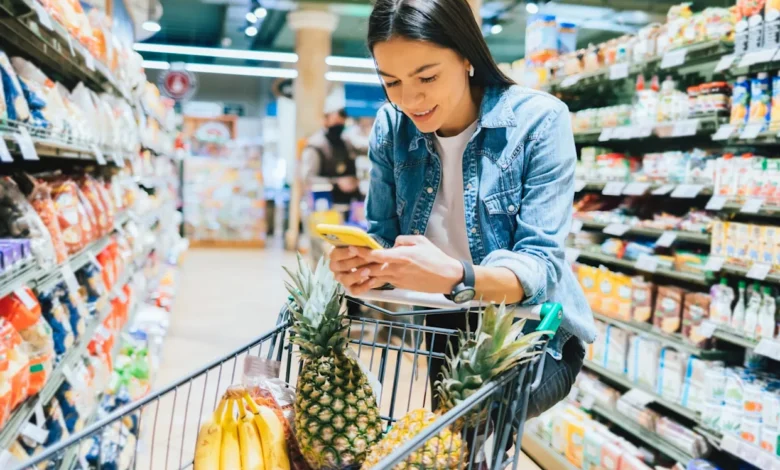
We tend to underestimate how much groceries shape our day. Food shopping isn’t just about filling a cart; it influences how we spend money, how well we eat, and how stressed we feel at 6 p.m. on a Tuesday.
Many people bounce between two extremes: the heroic “big shop” that never quite matches reality, and frantic last-minute dashes to the store when the fridge is empty. Both have their place, but one quietly wins out over time: deliberate, light-touch planning.
The Hidden Cost of “I’ll Just Pop to the Shop”
On the surface, last-minute grocery trips feel flexible and low-commitment. You decide what you want when you want it. No rigid lists, no weekend planning session, no pressure.
But the costs add up in ways that don’t always show on the receipt:
- Extra transport time and money.
- Frequent impulse buying (snacks, “deals,” and drinks you didn’t intend to buy).
- Decision fatigue from constantly figuring out what to eat right before you’re hungry.
- Reliance on what’s available at that moment, not what’s best for your budget or health.
The same logic applies to quick-delivery orders. Services that can bring groceries to your door in minutes are incredibly useful, but they can also blur the line between thoughtful stocking and reactive “I forgot again” purchases.
Planning ahead isn’t about never being spontaneous; it’s about shifting from firefighting to steering. You decide in advance what “good enough” looks like for your week, instead of reinventing the wheel every evening.
What Planning Ahead Actually Looks Like Today
Planning ahead doesn’t need to mean rigid meal plans or colour-coded spreadsheets. In practice, it’s a set of light routines that keep food decisions from becoming daily emergencies.
For many households, that looks like:
- A shared notes app with a running grocery list.
- A basic weekly rhythm: a main shop plus one small top-up.
- A few “default” meals you can make from pantry staples.
Technology makes this easier than it used to be. Whether you’re using shared digital lists, calendar reminders, or tapping quick delivery services like Zapp for genuine top-ups rather than full shops, the goal is the same: make your food system predictable enough that you’re not constantly starting from zero.
Think of planning as infrastructure, not restriction. You’re building a baseline that reduces chaos, while still leaving room to improvise when you want to.
Four Big Advantages of Planned Grocery Runs
When you zoom out over months rather than days, planned shopping tends to beat last-minute trips on several fronts.
1. You Spend Less Without Feeling Restricted
Random, frequent shops encourage random, frequent spending. You walk in for milk, walk out with milk, a dessert, and a magazine. The psychology is simple: each visit is another opportunity for temptation.
Planning ahead narrows the window for impulse buys. You’re working from a list shaped by what you actually need, not what looks good when you’re hungry and tired. You also get the chance to:
- Compare prices across stores or delivery options.
- Build meals around what’s in season or on offer.
- Use up what you already have instead of buying duplicates.
Most people who shift to a weekly plan-plus-top-up routine notice their spend smoothing out—fewer peaks, fewer “how was it that much?” moments.
2. You Eat Better, More Consistently
Nutrition tends to fall apart when every meal is a last-minute question. In that moment, convenience and habit win. That might mean processed options, expensive ready meals, or ordering in because “there’s nothing to cook.”
Planned shopping flips the script. You decide once what a balanced week roughly looks like, then shop to support that. You’re more likely to:
- Have fresh produce on hand before it feels like an effort.
- Stock ingredients for quick, healthy “backup” meals.
- Avoid the pattern of three great home-cooked days, two chaotic takeaway nights.
You don’t have to plan every meal. Even simply ensuring you have the basics for three reliable dinners can dramatically reduce the number of “panic meals” you resort to.
3. You Cut Waste and Environmental Impact
Ironically, last-minute shopping can lead to more waste, not less. When you’re constantly topping up without a clear view of what’s at home, it’s easy to end up with:
- Duplicate items at the back of the fridge.
- Fresh ingredients that never quite line up into actual meals.
- Food thrown out because you didn’t realise you already had something open.
A bit of planning connects what you buy to when you’ll actually eat it. You start building meals around what’s already in your kitchen, and buy fewer “aspirational” items that end up in the bin. Over time, that’s good for your budget and your footprint.
4. You Buy Back Mental Space
Planning ahead doesn’t just save money; it reduces cognitive load.
Instead of asking “What’s for dinner?” every day, you make a few higher-quality decisions once a week. You know roughly:
- What you’re eating next.
- That the ingredients are already in the house.
- That you won’t need an emergency store run between meetings.
This mental breathing room is surprisingly valuable. It makes weeknights smoother, helps family members know what to expect, and removes one more source of low-level stress from your day.
A Simple Planning Framework You Can Start This Week
You don’t need a full lifestyle overhaul. Start with a minimal system and adjust as you go. Here’s one approach:
- Pick one day as your “anchor” shopping day, plus one optional top-up day.
- Before your main shop, quickly scan your fridge and cupboards; note what must be used soon.
- Sketch 3–5 dinners for the week using what you already have as a starting point.
- Build your shopping list around those meals plus breakfasts, lunches, and snacks.
- Keep a running list on your phone for things you run out of midweek; add them to the next main shop rather than making a special trip.
This is deliberately light-touch. The goal is to avoid chaos, not chase perfection.
When Last-Minute Makes Sense (and How to Use It Wisely)
There will always be genuine reasons for last-minute grocery runs or rapid delivery orders: surprise guests, a forgotten key ingredient, a workday that went sideways. The point isn’t to eliminate spontaneity; it’s to reserve it for when it’s really needed.
A helpful rule of thumb: treat last-minute shops as exceptions, not your default system. When you do use them, try to:
- Stick to a tiny, specific list.
- Avoid browsing; go directly to what you need.
- Notice patterns—if you’re always running out of the same items, adjust your main shop.
Used this way, last-minute options become a safety net that supports your planning, rather than a crutch that replaces it.
Turning Groceries into a System, Not a Scramble
Planning ahead with groceries isn’t about living a perfectly organised life. It’s about respecting the reality that eating is non-negotiable, every single day—and choosing to make that predictable rather than chaotic.
With a modest amount of structure, you spend less, eat better, waste less, and reclaim headspace. Last-minute trips and fast delivery will still have their place, but they’ll support a system you’ve designed, instead of constantly rescuing you from the lack of one.