Wollmatten: Natural Wool Mats for Home, Yoga, Craft, and Insulation
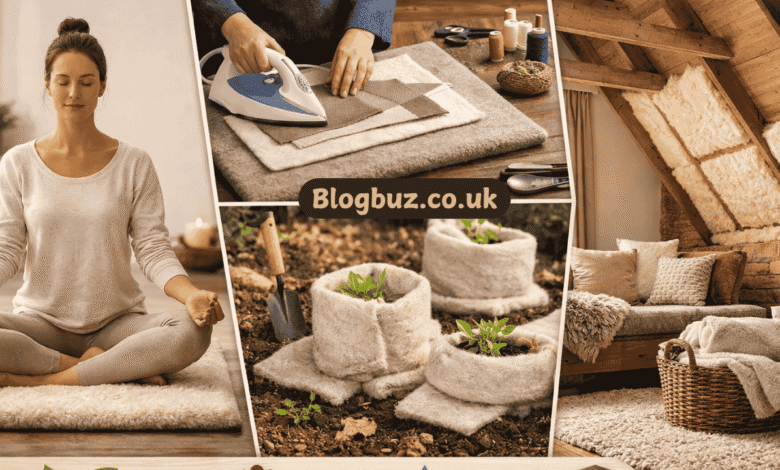
Wollmatten (wool mats) are gaining popularity across Europe and beyond as people rediscover the value of natural, sustainable, and highly functional materials. Made primarily from sheep’s wool or other natural fibers, wollmatten combine comfort, durability, insulation, and environmental friendliness in a single product. They are used in a wide variety of settings, including yoga studios, sewing rooms, gardens, homes, and even in construction projects. In this detailed manual, you will discover what wollmatten are, how they are made, their most common applications, their advantages and disadvantages, how to choose the right type, and how to properly care for them.
What Are Wollmatten?
Wollmatten are mats produced from natural wool fibers, most commonly sheep’s wool. The fibers are cleaned, carded, and then compressed or felted into dense layers. Depending on their purpose, they may be left natural or combined with materials such as latex backing, cotton fabric, or non-slip coatings.
Unlike synthetic mats, wollmatten are breathable, temperature-regulating, biodegradable, and renewable. These qualities make them appealing to environmentally conscious consumers and to those who value comfort and natural materials in everyday life.
How Wollmatten Are Made
The production process of wollmatten typically includes several stages:
- Shearing and cleaning – Wool is collected from sheep and washed to remove dirt, grease, and impurities.
- Carding – The fibers are brushed and aligned to create a uniform texture.
- Felting or weaving – The wool is compressed using heat, moisture, and pressure, or woven into dense mats.
- Shaping and finishing – Mats are cut to size and may be combined with backing layers or stitched edges.
High-quality wollmatten often use untreated or minimally treated wool to preserve the natural oils (lanolin), which contribute to durability and moisture resistance.
Common Uses of Wollmatten
One of the reasons Wollmatten is so popular is its versatility. Below are the main areas where they are widely used.
Yoga and Meditation
Wollmatten are often used as yoga mats or meditation pads. They provide:
- Natural cushioning for joints
- Warmth during floor exercises
- Breathability and moisture control
- A soft, non-toxic surface against the skin
Many yoga practitioners prefer wollmatten because they feel warmer and more comfortable than rubber or plastic alternatives, especially in colder climates.
Sewing, Quilting, and Crafting
In the crafting world, wollmatten are known for their use as ironing and pressing mats. These mats retain heat and reflect it back into the fabric, making pressing seams easier and more precise.
Benefits include:
- Faster and more even ironing
- No need for bulky ironing boards
- Portable and space-saving
- Resistant to high temperatures
Quilters and tailors often consider wollmatten essential tools in their workspace.
Home and Interior Design
Wollmatten are used as:
- Area rugs
- Bedside mats
- Children’s play mats
- Decorative floor coverings
Their natural appearance adds warmth and texture to interior spaces, complementing Scandinavian, minimalist, or eco-friendly design styles.
Gardening and Plant Protection
In gardening, Wollmatten are used to protect plants and soil:
- Insulation for plant pots during winter
- Frost protection for roots
- Weed suppression
- Moisture retention in soil
Because wool is biodegradable, it can be left in the garden without harming the environment.
Building and Insulation
In sustainable construction, thick wollmatten are used as an insulation material. They help regulate indoor temperatures, absorb sound, and naturally manage humidity.
Benefits of Using Wollmatten
Wollmatten offers many advantages over synthetic alternatives:
Environmental Sustainability
Wool is a sustainable, biodegradable resource that consumes less energy to process than petroleum-based materials. Using Wollmatten reduces plastic waste and environmental pollution.
Temperature Regulation
Wool fibers trap air, providing excellent insulation in cold weather while remaining breathable in warm conditions.
Moisture Management
Wool can absorb up to 30% of its weight in moisture without feeling wet, making wollmatten comfortable and hygienic.
Durability
High-quality wollmatten can last for many years without losing shape or effectiveness.
Natural Resistance
Wool naturally resists dirt, odors, and flames, adding to its practicality and safety.
Potential Drawbacks of Wollmatten
While wollmatten are highly beneficial, there are a few considerations:
- Higher price compared to synthetic mats
- Weight – wool mats can be heavier than foam or rubber alternatives
- Allergies – some people are sensitive to wool fibers
- Care requirements – improper washing can damage the mat
Understanding these limitations helps buyers make informed decisions.
How to Choose the Right Wollmatten
When selecting Wollmatten, consider the following factors:
Purpose
Decide how you will use the mat:
- Yoga or meditation
- Ironing and sewing
- Gardening
- Home decoration
- Insulation
Each application requires a different thickness, density, and size.
Thickness and Density
Thicker mats provide more cushioning and insulation, while thinner mats are lighter and easier to transport.
Material Quality
Look for:
- 100% natural wool
- Minimal chemical treatment
- Ethical sourcing
Size
Choose dimensions that match your available space and intended use.
Backing Material
Some Wollmatten include latex or rubber backing for grip, especially for yoga or floor use.
Caring for Wollmatten
Proper care significantly extends the life of Wollmatten.
Cleaning Tips
- Shake out dust regularly
- Gently spot clean using mild detergent and cold water
- Avoid machine washing unless specified by the manufacturer
- Let dry naturally away from direct heat
Storage
Store in a dry, well-ventilated area to prevent mold or insect damage.
Long-Term Maintenance
Occasional brushing and airing in fresh air helps maintain softness and cleanliness.
Wollmatten in a Sustainable Lifestyle
Choosing Wollmatten aligns with a broader commitment to sustainability and mindful consumption. They reduce reliance on plastic, support natural farming practices, and encourage long-term use rather than disposable products.
As consumers increasingly value ethical sourcing and environmental impact, Wollmatten is becoming a symbol of responsible living.
Future Trends for Wollmatten
The market for Wollmatten is expected to grow due to:
- Rising interest in eco-friendly products
- Increased popularity of yoga and home fitness
- Growth of sustainable construction
- Demand for natural interior design materials
Innovations in processing and design will likely make wollmatten lighter, more affordable, and even more versatile.
Conclusion
Wollmatten are far more than simple wool mats. They embody a combination of tradition, practicality, and sustainability that fits perfectly into modern lifestyles. Whether used for yoga, crafting, gardening, home décor, or insulation, wollmatten offer comfort, durability, and environmental benefits that synthetic products struggle to match.
You May Also Read: Fibord Handmade Stainless Steel Sink K30-1: A Durable Choice for Contemporary Home