5 Professional Hair Treatment Tips for Dry or Damaged Hair
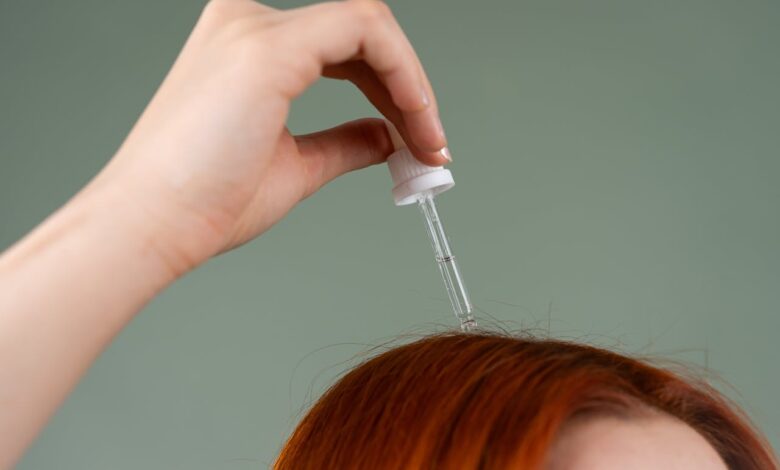
Bringing dry and damaged hair back to life isn’t about finding a single miracle cure, it’s about developing a comprehensive strategy that combines professional expertise with consistent care and smart prevention. When you understand what causes damage in the first place, incorporate targeted treatments like deep conditioning and protein therapy into your routine, stay committed to regular trims, and leverage advanced salon technologies when appropriate, transformation becomes not just possible but probable.
Understanding the Causes of Hair Damage
Before you can effectively treat dry and damaged hair, it’s worth taking a moment to understand what’s actually causing the problem. Hair damage rarely happens overnight, it’s typically the result of multiple factors working together to weaken your strands. Environmental stressors like relentless sun exposure, chlorinated pool water, and harsh winter winds gradually strip away the natural oils that keep hair protected and moisturized. Chemical treatments such as coloring, bleaching, and relaxing penetrate deep into the hair shaft, breaking down the protein bonds that give your hair its strength. And let’s not forget about heat styling, those flat irons and curling wands might create gorgeous looks, but without proper protection, they’re essentially cooking your hair from the outside in. When you understand these underlying causes, you’re better equipped to both treat existing damage and prevent future problems from developing.
Deep Conditioning Treatments and Hair Masks
There’s something almost therapeutic about applying a luxurious hair mask, isn’t there? But beyond the pampering aspect, deep conditioning treatments are genuinely one of the most powerful tools in your arsenal against dry, damaged hair. Unlike your everyday conditioner that works primarily on the surface, these intensive treatments actually penetrate into the hair shaft to deliver concentrated nutrients where they’re needed most. Professional, grade masks are packed with reparative ingredients, think keratin, argan oil, shea butter, and specialized proteins, that target damage and rebuild your hair’s integrity from within. Here’s how to maximize their effectiveness: apply a generous amount to freshly washed, damp hair, concentrating on the mid-lengths and ends where damage tends to accumulate.
Protein Treatments for Structural Repair
When hair sustains serious damage, it loses the essential proteins that form its structural backbone, which explains why damaged hair often feels weak and snaps so easily. That’s where protein treatments come in, they work by filling in the gaps and cracks in the hair cuticle while reinforcing the internal structure with amino acids and hydrolyzed proteins. These treatments are particularly transformative for hair that’s been through the wringer with chemical processing or excessive heat exposure. Speaking of heat, professionals who work with premium hair styling tools understand that advanced temperature controls can significantly minimize additional damage during the styling process, especially when hair is already compromised.
Now, here’s something important to remember: protein treatments need to be balanced with moisturizing treatments, because too much protein can actually backfire, making hair stiff and even more prone to breakage. Most hair care experts suggest alternating between protein-based and moisture-rich treatments based on your hair’s specific needs and damage level. For most people dealing with damaged hair, a protein treatment every four to six weeks hits the sweet spot, though severely porous or chemically treated hair might benefit from more frequent applications. Always follow up with a moisturizing conditioner to maintain that crucial balance between strength and flexibility.
Trimming and Split End Management
Here’s a truth that might sting a bit: if you’re trying to grow out damaged hair, regular trims aren’t optional, they’re essential. It seems contradictory, doesn’t it? But here’s the thing about split ends: once they form, there’s no magical product that can fuse them back together. Left unchecked, those splits continue traveling up the hair shaft like a run in stockings, compromising the entire strand. Professional stylists typically recommend scheduling a trim every six to eight weeks to eliminate damaged ends before they become a bigger problem.
Professional Salon Treatments and Technology
The world of professional hair treatments has evolved dramatically in recent years, offering solutions that go far beyond traditional conditioning to address severe damage at the cellular level. Keratin treatments have earned their popularity by smoothing the hair cuticle, dramatically reducing frizz, and creating a protective barrier that can last several months. Bond, building treatments like Olaplex have revolutionized damage repair by actually mending broken disulfide bonds within the hair’s structure, effectively reversing chemical damage and restoring strength from deep within. Then there are steam treatments, which use controlled moisture and heat to open the cuticle, allowing conditioning ingredients to penetrate far more deeply than traditional methods allow.
Conclusion
Keep in mind that hair repair is rarely instant; it’s a gradual journey that requires both patience and dedication. But here’s the encouraging part: even severely damaged hair can be restored to strength and luster with the right combination of professional treatments and proper maintenance.