5 Warning Signs Your Car Shouldn’t Ignore
We often treat our vehicles like appliances—we turn them on, they do their job, and we turn them off, rarely giving a second thought to the complex machinery working underneath the hood. However, unlike a toaster or a microwave, a car communicates with its owner. It has a language of its own, consisting of lights, sounds, smells, and sensations. Ignoring these communications is a gamble that rarely pays off. According to car care surveys, unperformed vehicle maintenance results in billions of dollars in unnecessary repairs every year.
Recognizing the early symptoms of mechanical failure can mean the difference between a simple, inexpensive fix and a catastrophic engine failure that leaves you stranded on the side of the highway. By paying attention to what your car is trying to tell you, you can ensure safety, reliability, and longevity for your vehicle. Here are five warning signs you should never ignore.
1. The Mysterious Check Engine Light
The check engine light is perhaps the most dreaded symbol on a dashboard, yet it is often the most ignored. Because the car often seems to drive perfectly fine after the light illuminates, many drivers fall into a trap of complacency, hoping it will simply go away.
This light is part of your car’s On-Board Diagnostics (OBD) system. When it turns on, it means the car’s computer has detected a problem within the engine or exhaust system that affects emissions or performance. The range of issues is vast—it could be something as trivial as a loose gas cap, which messes with the pressure in the fuel tank, or something as serious as a misfiring engine or a failing catalytic converter.
Practical Tip: If the light is steady, you typically have time to get it checked. If the light is flashing, it indicates a severe issue, often a misfire that can overheat the catalytic converter, creating a fire hazard. In this case, pull over immediately and call for a tow.
2. Strange and New Noises
Your car provides a baseline soundtrack to your daily commute. You know the hum of the tires and the rhythm of the engine. When a new sound introduces itself to the mix, it is almost always a sign of wear or failure.
- Squealing or Screeching: This is most commonly associated with the braking system. Brake pads are designed with a small metal shim called a wear indicator. When the pad material gets too low, this shim scrapes against the rotor to warn you. Ignoring this will eventually lead to a grinding sound—metal on metal—which means you are damaging the rotors, significantly increasing repair costs.
- Clicking or Popping: If you hear this when turning the wheel, it often points to a failing CV joint or axle.
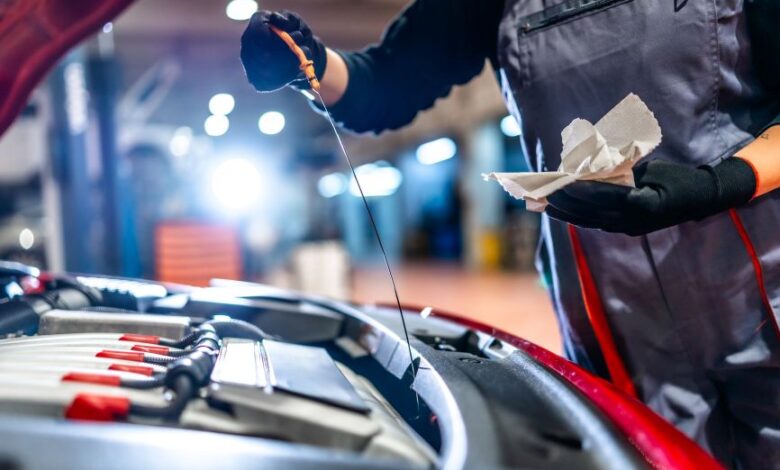
- Knocking or Tapping from the Engine: This is a critical sound. It usually implies the engine is low on oil or has lost oil pressure. Without proper lubrication, internal components destructively collide.
3. Unpleasant or Unusual Smells
Your nose can be just as good a diagnostic tool as a mechanic’s scanner. A healthy car generally shouldn’t emit strong odors. If you catch a whiff of something strange, try to identify the scent:
- Burnt Rubber: This could indicate a slipping drive belt or a loose hose rubbing against a moving part.
- Sweet, Syrupy Smell: This is the distinct odor of engine coolant (antifreeze). If you smell this inside the cabin, you might leak into the heater core. If you smell it outside, your radiator or a hose might be leaking. Coolant is vital for keeping your engine from overheating.
- Rotten Eggs: This sulfur smell is a classic sign of a catalytic converter that isn’t processing exhaust gases properly.
4. Smoke or Steam
Visible emissions from your vehicle are a clear SOS signal. While a little white vapor on a cold winter morning is normal condensation, persistent smoke is not.
- Blue Smoke: This indicates your engine is burning oil. This could be due to worn piston rings or valve seals.
- White Smoke: Thick white smoke that doesn’t dissipate is a sign that coolant is being burned in the engine, often pointing to a blown head gasket—a major repair.
- Black Smoke: This usually means the engine is burning too much fuel, suggesting a problem with the fuel injection system, air filter, or sensors.
5. Fluid Leaks and Puddles
If you back out of your driveway and see a puddle left behind, your car is bleeding. Fluids are the lifeblood of your vehicle, providing pressure, cooling, and lubrication. Identifying the color of the liquid can help you understand the urgency:
- Bright Green, Orange, or Pink: Usually coolant. A leak here can lead to rapid overheating.
- Red or Brown: typically transmission fluid or power steering fluid.
- Dark Brown or Black: This is engine oil.
Routine maintenance is the best defense against these leaks. Whether you are looking for a tire rotation in a big city or an oil change in Orem, Utah, finding a reputable local shop to inspect these leaks immediately is crucial. Small leaks eventually turn into big failures, and catching them early prevents the domino effect of mechanical damage.
Listen to Your Car
Modern vehicles are marvels of engineering, designed to be resilient and tough. However, they rely on their owners to interpret the warning signs they provide. Whether it’s a dashboard light, a puddle on the garage floor, or a strange squeal when you stop at a red light, these are invitations to investigate. Addressing these issues promptly not only saves you money in the long run but ensures that your vehicle remains safe for you and your passengers.