9 Signs of a Healthy Dog: How to Know If Your Dog Is Truly Thriving
Introduction
As a dog owner, you want nothing more than to see your furry companion happy, energetic, and living their best life. But dogs can’t always tell us when something feels off, which is why understanding the signs of a healthy dog is essential. By observing your dog’s appearance, behavior, and daily habits, you can often detect early indicators of good health—or spot potential issues before they become serious.
Knowing how to tell if your dog is healthy doesn’t require veterinary training. Many signs are visible in your dog’s coat, eyes, energy levels, appetite, and even bathroom habits. When combined with routine veterinary checkups, these observations empower you to provide better care and ensure your dog’s long-term well-being.
Healthy habits also go hand in hand with proper training and routine. For example, consistent bathroom behavior is an important indicator of digestive health and overall balance. If you’re working on improving your dog’s potty routine, learning how to train a dog to poop outside can support both behavioral consistency and physical health.
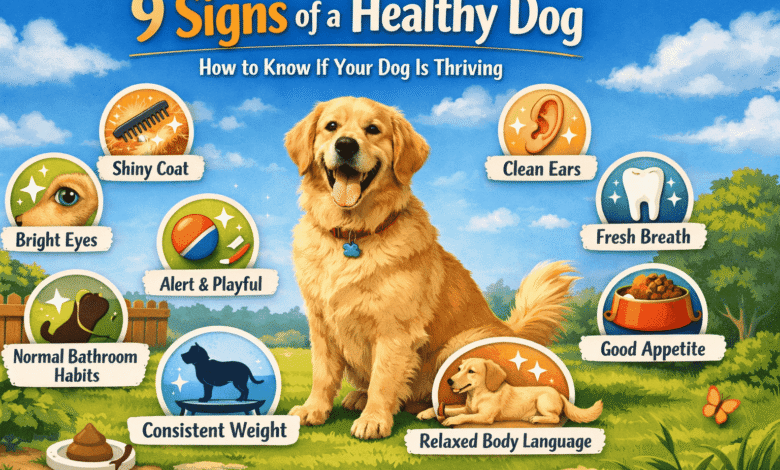
In this guide, we’ll explore 9 clear signs your dog is healthy, breaking down what each sign looks like, why it matters, and when you should pay closer attention. If you’ve ever wondered how to know if your dog is healthy, this comprehensive article will give you the confidence to assess your dog’s well-being at home.
How to Know If Your Dog Is Healthy
1. Shiny Coat
One of the most noticeable signs of a healthy dog is a shiny, smooth coat. A healthy dog’s fur should appear glossy, clean, and soft to the touch, regardless of breed or coat length. This shine typically reflects good nutrition, proper hydration, and effective grooming.
A dull, brittle, or excessively shedding coat may signal underlying problems such as nutritional deficiencies, allergies, parasites, or hormonal imbalances. Omega-3 and Omega-6 fatty acids, often found in high-quality dog food, play a vital role in maintaining coat health.
Regular brushing not only keeps your dog looking good but also improves blood circulation and allows you to check for skin issues, lumps, or fleas. If your dog’s coat suddenly loses its shine, it may be time to review their diet or consult a veterinarian.
2. Bright Eyes
Bright, clear eyes are another strong indicator when determining how to tell if your dog is healthy. Healthy dog eyes should be clean, moist, and free from redness, cloudiness, or excessive discharge.
Your dog’s eyes should appear alert and responsive, reflecting curiosity and engagement with their surroundings. Occasional eye discharge can be normal, but persistent tearing, swelling, or discoloration may indicate infection, allergies, or injury.
Routine eye checks at home help you catch early warning signs. If your dog squints frequently, rubs their eyes, or avoids bright light, these could be signs of discomfort that require professional attention.
3. Clean Ears
Healthy ears are clean, pale pink, and free from strong odors. When assessing signs your dog is healthy, ears are often overlooked—but they are a key indicator of overall wellness.
A healthy dog’s ears may have a small amount of wax, but they should not be dirty, inflamed, or smelly. Foul odors, redness, swelling, or excessive scratching often point to ear infections, mites, or allergies.
Dogs with floppy ears or those that swim frequently are especially prone to ear issues. Regular ear checks and gentle cleaning (as recommended by your vet) can help prevent infections and ensure your dog stays comfortable.
4. Fresh Breath
While a dog’s breath may never smell minty fresh, it shouldn’t be overpoweringly foul. Fresh breath is a reliable sign of good oral and digestive health. Persistent bad breath often indicates dental disease, plaque buildup, gum infections, or gastrointestinal problems.
Healthy gums should be pink and firm, not red or bleeding. Teeth should be relatively clean without excessive tartar. Poor oral health doesn’t just affect the mouth—it can lead to more serious issues involving the heart, kidneys, and liver.
Maintaining proper dental hygiene through brushing, dental chews, and professional cleanings can make a significant difference. If you’re struggling with unpleasant odors, learning how to make dog breath smell better can help improve both your dog’s comfort and overall health.
5. Good Appetite
A healthy dog usually has a consistent and enthusiastic appetite. While individual eating habits vary, sudden changes in appetite can be one of the earliest warning signs when evaluating how to know if your dog is healthy.
Dogs that are feeling well typically look forward to mealtime and eat regularly. A loss of appetite may indicate illness, dental pain, stress, or digestive issues, while excessive hunger can sometimes be linked to hormonal imbalances or parasites.
Monitoring your dog’s eating habits helps you spot irregularities early. If your dog refuses food for more than 24 hours or shows dramatic changes in eating behavior, consulting a veterinarian is recommended.
6. Consistent Weight
Maintaining a stable, healthy weight is one of the most important signs of a healthy dog. Your dog should have a visible waistline when viewed from above and you should be able to feel (but not see) their ribs easily.
Sudden weight gain can lead to joint problems, diabetes, and heart disease, while unexplained weight loss may indicate infections, metabolic disorders, or digestive issues. Both extremes can negatively impact your dog’s quality of life.
Regular weigh-ins, portion control, and daily exercise help keep your dog in optimal condition. If your dog’s weight changes unexpectedly, it’s important to address the cause early.
7. Normal Bathroom Habits
Your dog’s bathroom habits offer valuable insight into their internal health. Consistent, regular bowel movements with well-formed stools are a positive sign of proper digestion and hydration.
Healthy dogs typically have predictable elimination schedules. Diarrhea, constipation, blood in stool, or sudden changes in frequency can indicate stress, dietary intolerance, infections, or more serious health conditions.
Observing your dog’s bathroom routine is one of the simplest ways to determine how to tell if your dog is healthy. Any persistent irregularities should be discussed with a veterinarian.
8. Alert & Playful Demeanor
Energy levels and behavior are among the clearest signs your dog is healthy. A healthy dog is alert, curious, and interested in play, walks, and interaction with people or other animals.
Playfulness indicates not only physical fitness but also mental well-being. While energy levels vary by breed and age, a noticeable drop in enthusiasm or prolonged lethargy can signal illness, pain, or emotional distress.
Engaging your dog in regular physical activity and mental stimulation helps maintain a balanced, happy demeanor. A dog that enjoys playtime is often a dog that feels good.
9. Relaxed Body Language
Relaxed body language is a powerful yet subtle indicator of good health. A healthy dog typically displays loose posture, relaxed facial expressions, soft eyes, and a gently wagging tail.
Dogs that feel well are generally comfortable in their environment. Excessive panting, trembling, tucked tails, or rigid posture may indicate anxiety, discomfort, or pain.
Understanding your dog’s normal body language helps you quickly recognize changes. Emotional well-being is just as important as physical health, and a calm, relaxed dog is often a healthy one.
Wrap Up
Recognizing the 9 signs of a healthy dog allows you to become more in tune with your pet’s needs and overall condition. From a shiny coat and bright eyes to consistent bathroom habits and playful energy, these signs provide valuable clues about your dog’s well-being.
Learning how to know if your dog is healthy doesn’t replace professional veterinary care, but it empowers you to act early when something seems off. Regular observation, proper nutrition, exercise, training, and routine checkups all work together to support a long, happy life for your dog.
By paying attention to these everyday indicators, you can confidently answer the question of how to tell if your dog is healthy—and ensure your loyal companion stays by your side for years to come. 🐾