What is the Process of Templating and Installation for a Custom Stone Worktop?
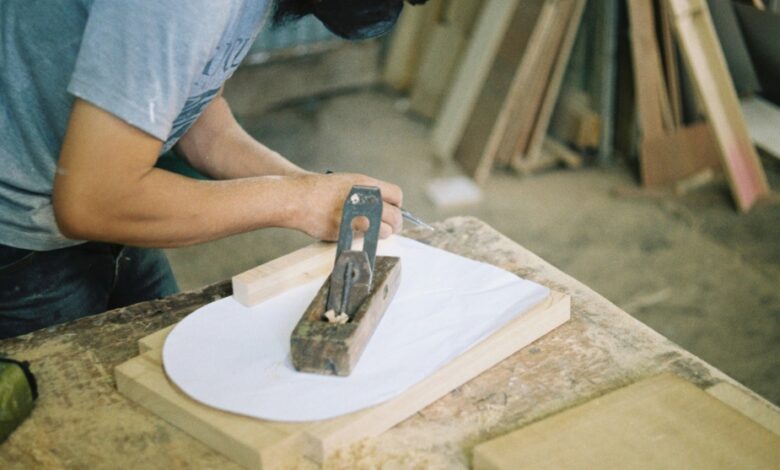
A custom stone worktop can transform a kitchen or bathroom into a luxurious, durable, and beautifully finished space. Stone surfaces such as quartz, granite, and marble are known for their strength, style, and long-lasting appeal – making them a popular choice for homeowners renovating or upgrading their interiors, all of these are available at https://fmmarble.com. But while many people focus on choosing the perfect material or colour, understanding the process from templating through to installation is equally important.
If you’re planning to invest in a custom stone worktop in London, knowing each stage helps you prepare, set expectations, and ensure a smooth and professional experience. From initial measurement to final fitting, this guide takes you step-by-step through what happens behind the scenes and what to expect on installation day.
Why Precision Matters in Custom Stone Worktops
Stone worktops are not cut or installed in the same way as laminate or off-the-shelf options. Because stone is heavy, expensive, and not easily adjustable once cut, precision is essential. A small measurement error can result in poor alignment, gaps, structural stress, or the need for additional cutting – sometimes even requiring a replacement slab.
That’s why the templating stage is one of the most crucial phases of the process. A template ensures that the stone worktop is cut perfectly to fit your space with accurate allowances for sinks, cooker cut-outs, edge profiles, splashbacks, and wall irregularities.
Step 1: Pre-Template Preparation
Before templating can take place, the work area must be fully prepared. This means:
- All base cabinets must be installed, level, and secure
- Any temporary worktops removed
- All appliances are in the final position
- Sink type confirmed (undermount or inset)
- Tap positions finalised
If the kitchen structure is not ready, the templating appointment may need to be rescheduled. Stone templating cannot be completed based on estimates or incomplete installations.
Step 2: The Templating Appointment
A trained technician will visit your home to create an accurate plan of the worktop layout. This may be done using one of two methods:
Traditional Manual Templates
Cardboard or plastic strips are cut, glued, and arranged to form a physical outline of the worktop shape.
Digital Laser Templating
Increasingly popular in London, digital templating uses laser scanners to capture exact measurements and translate them into a computerised model.
Both methods ultimately serve the same purpose: creating a detailed blueprint that will be used to cut the stone.
During this stage, the technician will also confirm:
- Edge finishing style (e.g., bevelled, rounded, bullnose)
- Thickness of the stone
- Location of joints and seams
- Overhangs and breakfast bar extensions
- Cut-outs for sinks, taps, hobs, and draining grooves
It is important that the homeowner or designer is present to approve decisions and confirm design details.
Step 3: Final Approval and Production
Once the template is completed, the information is shared with the fabrication team. The stone slab chosen earlier is now reviewed to confirm suitability for the layout.
This stage may also involve:
- Selecting specific parts of the slab to showcase natural patterns or veining
- Matching veining across joins, especially in marble or quartz
- Creating a digital mock-up for approval (depending on the supplier)
Once everything is confirmed, the worktop fabrication begins.
Step 4: Fabrication and Precision Cutting
Using specialist CNC cutting equipment, water-jet technology, and polishing machinery, the template is transformed into a finished stone worktop.
Fabrication typically includes:
- Cutting the slab to the exact template dimensions
- Polishing visible edges
- Drilling holes for taps or accessories
- Creating sink cut-outs and drainage grooves
- Shaping hob recesses
- Applying finishing treatments such as antibacterial sealants (mainly for marble and granite)
Because stone is heavy and fragile in sheet form—particularly around sink and hob openings—handling and processing require skilled craftsmanship and attention to detail.
Step 5: Preparation Before Installation
Ahead of installation day, the property should be ready to receive the worktop. This includes:
- Clear access to the kitchen
- Removal of obstacles such as furniture or packaging
- Ensuring parking or loading access is available for the fitting team
Because stone worktops are exceptionally heavy, installation usually requires a team of two to four people, depending on size and weight.
Step 6: The Installation
On installation day, the stone worktop is carefully transported into the property. The process usually takes between two and five hours, depending on the size and complexity of the design.
The fitting includes:
Positioning and Adjusting
Installers ensure that the worktop fits perfectly within the space, adjusting alignment as needed.
Joint Finishing
If the worktop consists of multiple pieces, the joints are sealed and filled, ensuring a seamless or near-seamless finish. In some stones, such as quartz, joints can be virtually invisible when well-matched.
Securing
Stone worktops are typically fixed to cabinets using:
- Adhesives
- Silicone sealants
- Mechanical brackets for large overhangs and breakfast bars
Sink and Hob Fitting
Undermount sinks are sealed and bonded in place, while inset sinks or hobs are positioned securely within the pre-cut openings.
Step 7: Final Sealing and Polishing
Certain stone types – particularly granite and marble – require sealing to protect them from staining and moisture. Quartz generally does not require sealing, as it is non-porous.
After sealing (if applicable), the worktop is cleaned and polished to ensure a smooth finish.
Step 8: Quality Check and Sign-Off
The installation team will inspect:
- Alignment
- Level surfaces
- Seam joins
- Edges and corners
- Cut-outs and fixtures
- Overall finish
Once satisfied, they will request approval from the homeowner.
Step 9: Aftercare and Maintenance
Proper care helps extend the life of a stone worktop. Maintenance depends on material type, but in general:
Cleaning
Use mild soap or a dedicated stone cleaner rather than abrasive products or bleach.
Heat Protection
Avoid placing hot pans directly on the surface – use trivets to protect against thermal shock.
Stain Prevention
Blot spills quickly, particularly acidic liquids such as wine or citrus, which can etch certain stones.
Sealing
Some natural stones may require re-sealing every one to two years.
Manufacturers often provide a care guide tailored to the material.
How Long Does the Entire Process Take?
Timescales vary depending on availability, material type, and project complexity. In most London installations, the typical timeline is:
- Templating: After base units are installed
- Fabrication: 7–14 working days
- Installation: Scheduled once fabrication is complete
More complex or high-demand materials may take longer.
Common Challenges and How They Are Managed
Irregular Walls
Homes in London, particularly older properties, may have uneven walls or surfaces. The templating process accounts for this, ensuring the finished worktop fits perfectly.
Access Restrictions
Some London homes have narrow entries, staircases, or limited lifting space. In these cases, installation may require:
- Special equipment
- Splitting slabs at joints
- On-site joining methods
Weight Concerns
Stone is heavy, so cabinets may need reinforcement to support the installation—especially with overhangs or large islands.
Final Thoughts
Choosing a custom stone worktop for your home in London is an investment in durability, style, and long-term practicality. The process from templating to installation is highly precise, ensuring the end result fits perfectly and performs beautifully for many years to come.
By understanding the steps involved – from preparation and templating to fabrication and final installation – you can approach the process confidently and ensure a smooth experience with results that reflect the unique character of your space.
A well-installed stone worktop is more than a functional surface – it becomes a lasting and elegant feature of the home.