Between the Colosseum and the Bay of Naples: Italy’s Living Heritage
Italy’s heritage is often presented as something fixed — a series of monuments, ruins, and preserved ideals. In practice, it behaves very differently. History here doesn’t sit behind barriers or glass. It moves through kitchens, commutes, and conversations, reshaping itself as it goes.
Travelling between Rome and Naples reveals this fluidity more clearly than almost anywhere else. What looks ancient remains useful. What appears informal carries deep historical weight. The past doesn’t compete with the present — it threads through it, often without ceremony.
Where Layers Refuse to Separate in Rome
Rome rarely introduces itself politely. It interrupts. Ancient stone appears mid-errand. Columns frame everyday movement. The city doesn’t ask visitors to imagine history — it places it directly underfoot.
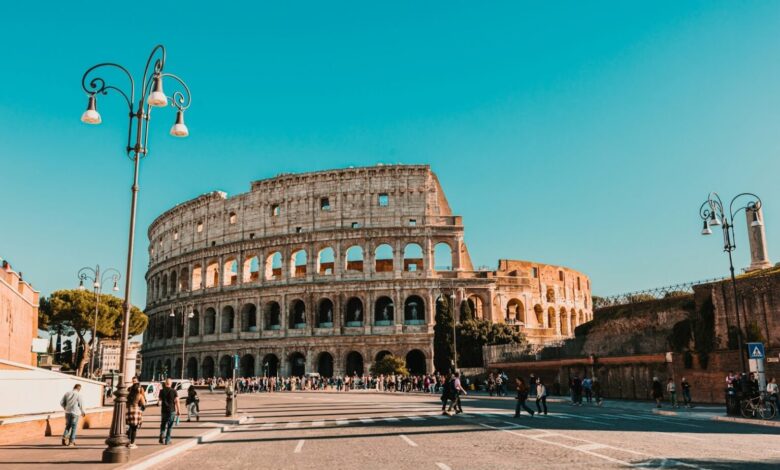
The Colosseum stands as a reference point rather than a conclusion. It’s monumental, yes, but it’s also absorbed into the city’s daily rhythm. Traffic flows around it. Locals pass without pause. The structure remains because it still anchors space.
Rome’s heritage isn’t preserved through stillness. It survives through use. Churches host services, not just admiration. Piazzas function as meeting points rather than viewing platforms. The city’s past stays visible because it continues to matter.
For many travellers exploring Italy vacation packages, Rome feels overwhelming at first — not because there is too much to see, but because there is no clear boundary between what belongs to history and what belongs to now.
Movement as Continuation, Not Escape
Leaving Rome doesn’t feel like stepping away from its story. It feels like following it south. The Rome to Naples train carries more than passengers — it carries tone, temperature, and pace.
As urban density loosens, the landscape begins to speak differently. Volcanic hills appear. Light sharpens. Meals grow more expressive. The journey doesn’t signal a break from heritage, but a shift in how it presents itself.
Travel here isn’t about distance covered. It’s about transition observed.
Everyday Intensity in Naples
Naples doesn’t curate its history. It lives inside it. Streets feel compressed, conversations layered, and daily routines unapologetically immediate. Heritage here isn’t polished — it’s practical.
Buildings show age openly. Food culture prioritises instinct over ceremony. Traditions persist because they work, not because they’re celebrated. The city’s energy can feel chaotic at first, but it carries its own internal logic.
Naples teaches a different lesson about preservation. Things survive not by being protected, but by being relied upon. The past holds because it remains useful.
Heritage That Breathes Through Habit
Across Italy, heritage often reveals itself through repetition rather than display. Morning routines echo centuries-old patterns. Markets operate on rhythms shaped long before signage existed.
This continuity isn’t fragile. It adjusts. Traditions bend when necessary, then settle again. Recipes change subtly. Streets adapt to new movement without losing old pathways.
What looks informal is often deeply rooted. What appears spontaneous usually isn’t.
Food as Historical Memory
Italian cuisine is frequently discussed as culture, but it functions more like memory. Recipes carry geography, scarcity, and invention in equal measure. Meals are less about performance and more about reinforcement.
Between Rome and Naples, food shifts noticeably. Rome’s cooking feels measured, anchored in balance. Naples leans expressive, generous, uncontained. Neither is more authentic — they simply respond to different histories.
Eating becomes another way of travelling through time, without needing explanation.
Landscapes That Refuse to Stay Neutral
The land itself plays a role in Italy’s living heritage. Hills, coastlines, and volcanic soil don’t serve as backgrounds — they shape behaviour. Architecture responds to terrain. Cities grow inward or outward accordingly.
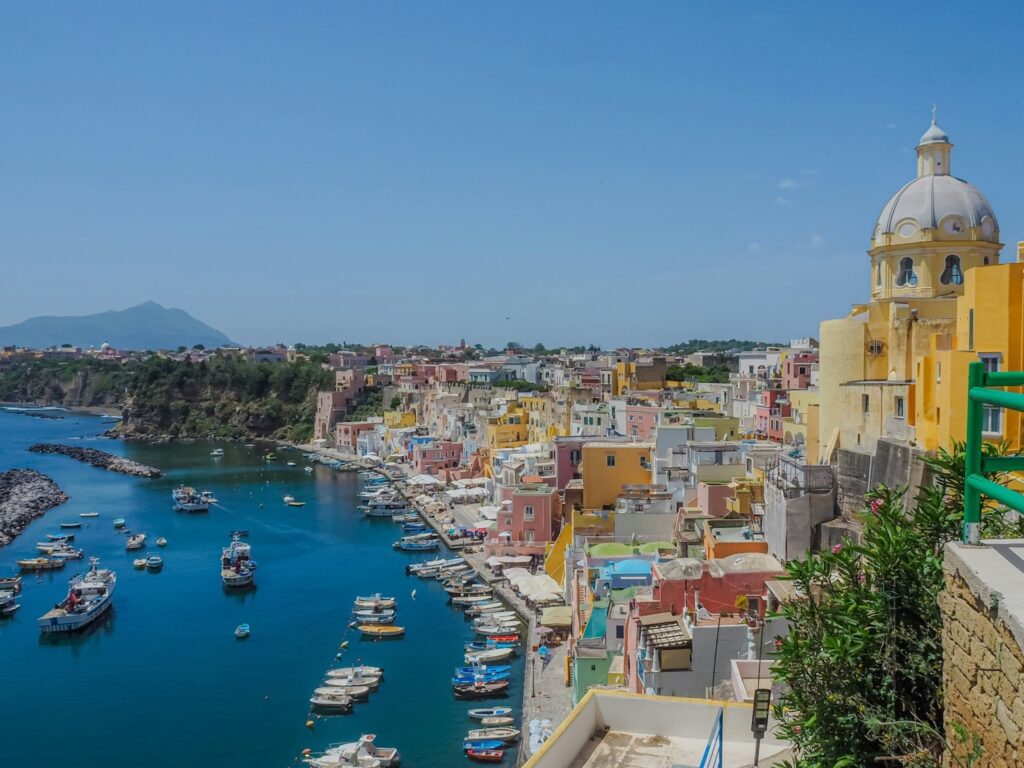
Near Naples, the presence of Vesuvius adds tension without drama. It’s visible, acknowledged, and folded into daily awareness. Life continues beside it, not in spite of it.
This acceptance of instability runs through much of Italy’s cultural fabric.
Cities That Don’t Freeze Their Identity
What connects Rome and Naples is not similarity, but confidence. Neither city feels the need to freeze itself for preservation. Change happens. Additions appear. Old structures adapt or absorb new purpose.
This flexibility keeps heritage alive. When history isn’t treated as untouchable, it remains relevant. When relevance fades, so does connection.
Italy’s strength lies in allowing its past to remain unfinished.
Why the Space Between Matters Most
The journey between Rome and Naples is often described as a transfer. In reality, it’s a distillation. It reveals how heritage shifts from formality to immediacy, from monument to habit.
This space between is where Italy becomes clearest — not as a collection of highlights, but as a continuum. One city informs the next. One rhythm prepares you for another.
Understanding Italy happens not at the endpoints, but in motion.
Living With the Past, Not Beneath It
Italy’s heritage doesn’t demand reverence. It asks for awareness. The Colosseum doesn’t need to be explained. Naples doesn’t need to be justified. Both exist fully, without apology.
Between them lies a lesson that repeats across the country: history survives best when it remains in use. When it’s allowed to age, adapt, and occasionally contradict itself.
And somewhere between ancient stone and open bay, Italy continues — not preserved, but lived.