How Different Shower Door Types Affect Accessibility and Daily Use
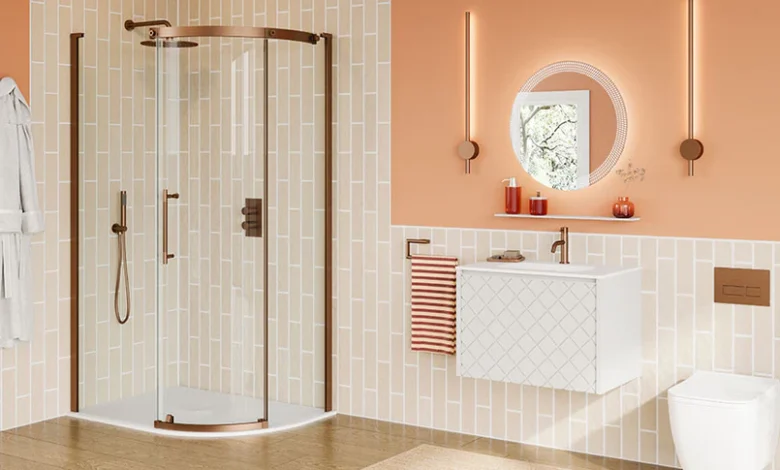
When it comes to designing a bathroom, the shower door you choose can significantly impact both accessibility and daily usability. Whether you’re remodeling your home or simply upgrading your bathroom fixtures, understanding the various types of shower doors available can help you make a decision that best meets your needs.
The Importance of Accessibility
Accessibility in the bathroom is crucial for everyone, particularly for individuals with mobility challenges. A well-chosen shower door can make a world of difference, enhancing safety, ease of use, and overall satisfaction in your daily routine.
Types of Shower Doors
Shower doors come in several styles, and each has its unique advantages and potential drawbacks. Here’s a breakdown of the most common types:
1 Sliding Doors Sliding shower doors, often called bypass doors, are popular for their space-saving design. Typically constructed of two or more panels that glide along a track, they require less clearance than hinged doors. This feature makes them suitable for tighter spaces. However, one of the significant considerations for accessibility is the width of the opening. For those who may need a walker or wheelchair, ensure that the opening is sufficiently wide to accommodate easy entry and exit.
2 Hinged Doors Hinged doors swing open outward, which can be a double-edged sword. They often allow for a more expansive entryway, making them a great choice for anyone who prioritizes accessibility. On the downside, these doors can require more space to fully open. Therefore, if you have a smaller bathroom, a hinged door may not be the best option unless you can allocate enough room.
3 Bi-Fold Doors Bi-fold doors fold in on themselves and can provide an excellent solution for reduced space while still allowing for a wider entrance. These are particularly useful in guest bathrooms where accessibility might not be a primary concern but where you still desire an open, airy feel. That said, they may not be as durable as sliding or hinged doors over time.
4 Curved Doors Curved shower doors offer a modern aesthetic and can create a more spacious feeling in the shower. Generally designed for corner showers, they require careful measurement for proper installation. Accessibility can be a concern if the curvature limits the entryway, so consider this option carefully based on your space and needs.
When choosing the right type of shower door, safety features such as grab bars or non-slip surfaces can further enhance accessibility. Now that we’ve explored the types, let’s discuss their daily impact.
Daily Use and Maintenance
The ease of use of a shower door can significantly influence how you engage with your bath routine. For example, sliding doors might be easier for someone with limited physical strength since they don’t require the action of pulling or pushing that hinged doors do. Furthermore, the cleaning and maintenance can vary significantly among the different types, which can translate to user satisfaction.
Cleaning Considerations
While aesthetics and functionality are paramount, maintenance shouldn’t be overlooked. The design of the shower door will play a role in how often you clean it and how difficult it is to maintain. Glass doors often require regular upkeep to prevent soap scum and hard water stains, particularly those made from lower-quality materials. This makes choosing quality bathroom glass door options from reputable sources essential to ensure longevity and ease of cleaning.
High-quality glass doors often come with protective coatings that help reduce the buildup of minerals and grime, saving you time and ensuring a more pleasant shower experience.
Safety Features
Safety should be at the forefront of any decision regarding shower doors. The glass thickness, for instance, plays a crucial role. Thicker glass is generally more robust and less likely to shatter. Additionally, many modern designs come with safety features like tempered glass, which is treated to be more resistant to shattering.
Cost Implications
Budget is always a consideration, and different types of shower doors can vary significantly in price. Sliding doors can often be less expensive due to their simpler mechanics, while hinged doors may be more costly owing to their added features and designs. Be aware that investing in higher-quality doors can pay off in the long run, particularly when it comes to maintenance costs and durability.
Final Considerations
Selecting the right shower door involves balancing aesthetics with practical needs. Consider not just your current accessibility concerns but also potential future needs.
A Few Questions to Ask Yourself:
• How much space do I have? Measure your bathroom carefully to ensure the door you choose won’t block pathways or become cumbersome.
• What is my style preference? Consider your overall bathroom design. You’ll want a door that complements the look and feel of the space.
• How do I plan to maintain it? Think about your willingness to frequently clean and maintain the door, which will influence your long-term satisfaction.
In summary, the choice of shower door can profoundly affect daily use and accessibility. By understanding the different types available and considering the practical implications, you can make a choice that enhances both your bathroom’s functionality and your overall quality of life.