Pastor Lorenzo Sewell: Biography, Ministry, Political Influence, and Public Controversies
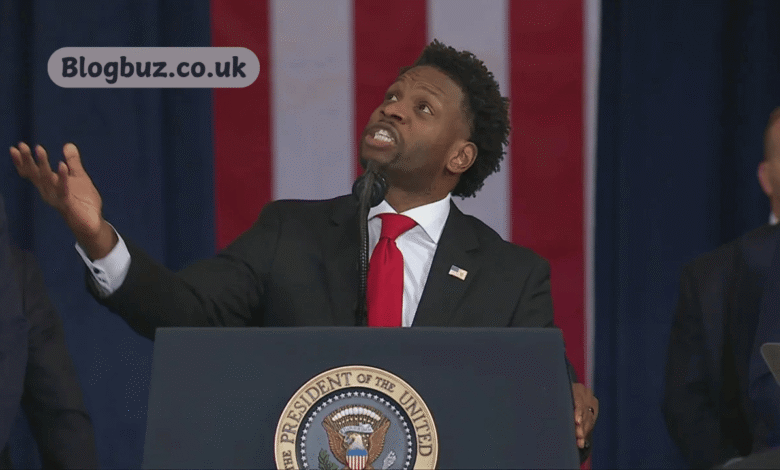
Pastor Lorenzo Sewell is a Detroit-based Christian leader who has become nationally known not only for his work in urban ministry but also for his high-profile involvement in U.S. politics. As senior pastor of 180 Church in Detroit, Michigan, Sewell has built a reputation as a charismatic speaker focused on faith-based community renewal. In recent years, however, his visibility has expanded far beyond church walls through appearances with Donald Trump, a speech at the 2024 Republican National Convention, and a prayer delivered at the 2025 presidential inauguration. This combination of ministry and politics has made Pastor Lorenzo Sewell a polarizing figure—praised by supporters as a bold voice of faith in public life and criticized by others who believe his political alignment conflicts with the legacy of the civil rights movement. This article provides a detailed look at his background, church leadership, rise to national attention, and the controversies that surround him.
Early Life and Personal Background
Public biographies published by his church and in national media describe Lorenzo Sewell as having grown up in Detroit and experienced a difficult adolescence marked by family instability and criminal involvement. According to these accounts, he became involved in gang activity and drug dealing during his teenage years before undergoing a religious conversion around 1999. This moment is frequently presented by Sewell as the turning point that redirected his life toward Christianity and ministry.
After his conversion, Sewell became deeply involved in church work and eventually pursued formal pastoral leadership. He has often used his personal history in sermons and interviews as an example of redemption and transformation, a narrative that resonates strongly within evangelical and non-denominational Christian communities.
Founding and Leadership of 180 Church
Pastor Lorenzo Sewell is best known as the senior pastor of 180 Church, a non-denominational congregation located in Detroit, Michigan. The church positions itself as an outreach-oriented ministry focused on spiritual renewal, social responsibility, and practical support for local residents dealing with poverty, addiction, and violence.
The name “180 Church” reflects the idea of making a complete “180-degree turn” in life—moving away from destructive habits toward faith, stability, and service. Under Sewell’s leadership, the church has grown in visibility and has hosted large worship services, community programs, and political events.
Sewell’s preaching style is widely described as energetic and emotionally charged. He blends traditional Christian theology with personal storytelling and motivational themes, emphasizing discipline, repentance, and civic engagement.
National Attention Through Politics
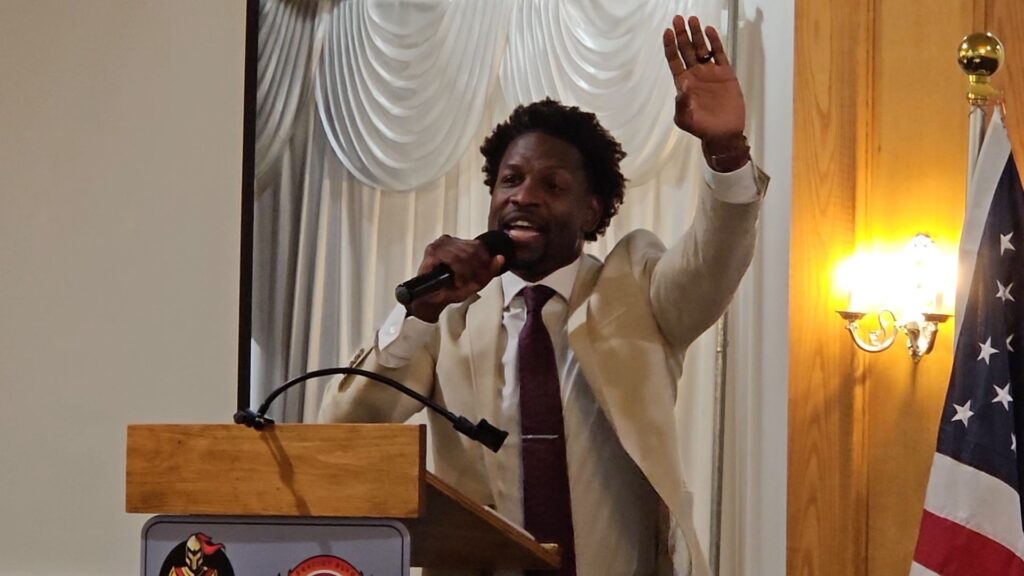
Although Pastor Lorenzo Sewell had already established a strong local profile in Detroit, his national recognition increased dramatically during the 2024 U.S. presidential campaign.
Hosting Donald Trump at 180 Church
In June 2024, Donald Trump visited 180 Church and appeared there as part of outreach efforts to religious and minority communities. The event drew significant media coverage because it highlighted an alliance between Trump and a Black urban pastor, a combination that is less common in mainstream political narratives.
Supporters viewed the visit as evidence that Sewell was expanding political dialogue into communities often overlooked by conservative campaigns. Critics, however, argued that the church was being used as a political stage rather than a neutral place of worship.
Speech at the 2024 Republican National Convention
One month later, Pastor Lorenzo Sewell spoke on the concluding evening of the 2024 Republican National Convention. His speech focused on faith, patriotism, and the idea that America requires spiritual renewal alongside political reform. A video of his appearance circulated widely on social media and cable news, further increasing his public profile.
The RNC appearance firmly established Sewell as a religious figure aligned with conservative politics, setting the stage for his most controversial role yet.
Prayer at the 2025 Presidential Inauguration
On January 20, 2025, Pastor Lorenzo Sewell delivered a prayer during Donald Trump’s presidential inauguration ceremony. In the prayer, Sewell referenced language from Martin Luther King Jr.’s renowned “I Have a Dream” speech, connecting Christian faith, civil rights history, and contemporary American politics.
The moment was historic: few pastors from small urban churches have ever spoken at such a globally watched political event. For supporters, it symbolized the inclusion of faith leaders from diverse backgrounds in national ceremonies. For critics, it represented the politicization of religious authority and the co-optation of civil rights symbolism.
Backlash and Criticism From Civil Rights Leaders

The inauguration prayer sparked immediate backlash from civil rights advocates, most notably Bernice King, daughter of Dr. Martin Luther King Jr. She publicly criticized Sewell for what she described as the misuse of her father’s words and legacy in a partisan political context.
Commentators in religious and secular media debated whether Sewell’s actions represented legitimate political engagement by a pastor or an inappropriate blending of sacred language with partisan messaging.
This criticism significantly shaped public perception of Pastor Lorenzo Sewell, particularly among African American communities who view Dr. King’s legacy as closely tied to social justice, nonviolence, and voting rights.
Local Controversy: The 180 Church Building Dispute
In addition to national political controversy, Sewell has also been involved in a notable local dispute regarding control of the 180 Church building.
In June 2023, news outlets reported that Sewell was temporarily detained by police after a confrontation over access to and governance of the church property. According to reports, locks were changed on the building, and Sewell claimed that an internal group attempted to remove him from leadership or seize control of the church.
The incident did not result in long-term legal consequences but contributed to public discussion about transparency, church governance, and leadership accountability within large independent congregations.
Ministry Philosophy and Public Messaging
Pastor Lorenzo Sewell’s sermons and public statements emphasize several recurring themes:
- Personal transformation through Christian faith
- Moral discipline and rejection of crime and addiction
- Civic engagement, including voting and political participation
- Patriotism and religious freedom
He often argues that Christian leaders should not remain silent about public policy or national identity, a view that aligns him with conservative evangelical movements that promote political activism among clergy.
Supporters say his approach empowers marginalized communities by encouraging responsibility, entrepreneurship, and faith-based solutions to social problems. Critics counter that his political alignment risks alienating church members who hold different views and may undermine the perceived neutrality of religious institutions.
Media Coverage and Public Image
Today, searches for “pastor lorenzo sewell” return a mix of religious profiles, political commentary, and controversy-focused reporting. He is frequently described as:
- A Detroit pastor turned national political figure
- A conservative-leaning Christian leader
- A controversial public speaker due to his use of civil rights rhetoric in partisan settings
Major media outlets have covered both his RNC appearance and his inauguration prayer, cementing his status as one of the most politically visible pastors in the United States in the mid-2020s.
Impact on Detroit and Beyond
Within Detroit, Pastor Lorenzo Sewell remains an influential religious leader whose church continues to draw congregants seeking spiritual renewal and practical support. His story of personal transformation resonates strongly in neighborhoods affected by violence and poverty.
Nationally, however, his influence is more complex. He has become part of a broader conversation about:
- The role of pastors in partisan politics
- The boundaries between faith and government
- The use of civil rights history in modern political rhetoric
Whether admired or criticized, Sewell represents a growing trend: religious leaders who move beyond traditional ministry into the heart of national political debate.
Conclusion
Pastor Lorenzo Sewell is far more than a local church leader. From his early life in Detroit and dramatic religious conversion to his leadership of 180 Church and appearances on the national political stage, his journey reflects the evolving relationship between faith and politics in the United States.
His supporters see him as a courageous pastor who brings spiritual language into public life. His critics view him as a divisive figure who blurs the line between ministry and partisanship. Both perspectives agree on one point: Pastor Lorenzo Sewell is now a permanent part of America’s cultural and political conversation.
As debates continue about the proper role of religion in government and elections, Sewell’s career will likely remain a reference point for years to come—studied, debated, and cited whenever questions arise about where faith ends and politics begins.
You May Also Read: Laila Cunningham Wikipedia: Biography, Career, and Political Journey