Using AI to Localize Video Content Without Hiring Large Teams
Expanding into global markets is the ultimate goal for many brands, but the logistical nightmare of localization often stops them in their tracks. Traditionally, taking a video campaign from a domestic audience to an international one meant hiring local actors, reshooting scenes to fit cultural contexts, and managing a sprawling team of translators and editors. It was a process reserved for Fortune 500 companies with bottomless budgets.
But the landscape has shifted. The barrier to entry for global storytelling has collapsed, thanks to generative AI. Today, a lean marketing team can produce localized, culturally relevant video content for multiple regions without ever booking a flight or hiring a casting director.
In the traditional model, localization was often an afterthought—usually just adding subtitles to an existing video. While cost-effective, this approach rarely resonates deeply. A video shot in a snowy New York street doesn’t feel relatable to an audience in tropical Southeast Asia, regardless of the language in the subtitles.
Generative AI allows for “visual localization.” Instead of just translating the text, you can now translate the environment. You can take the core concept of your video—say, a person enjoying a cold drink—and use AI to generate variations where the background, the clothing, and even the ethnicity of the model adapt to the target market.
This isn’t about deep-faking; it’s about transcreating the visual narrative so it feels native to every viewer.
Scaling Video Production Without the Overhead
The biggest challenge in localization is volume. If you are targeting five different countries on three different social platforms, you need a massive amount of video assets. Doing this manually is impossible for small teams.
This is where AI-driven video generation platforms become essential force multipliers. They allow you to turn a single script or concept into a library of assets tailored for different regions.
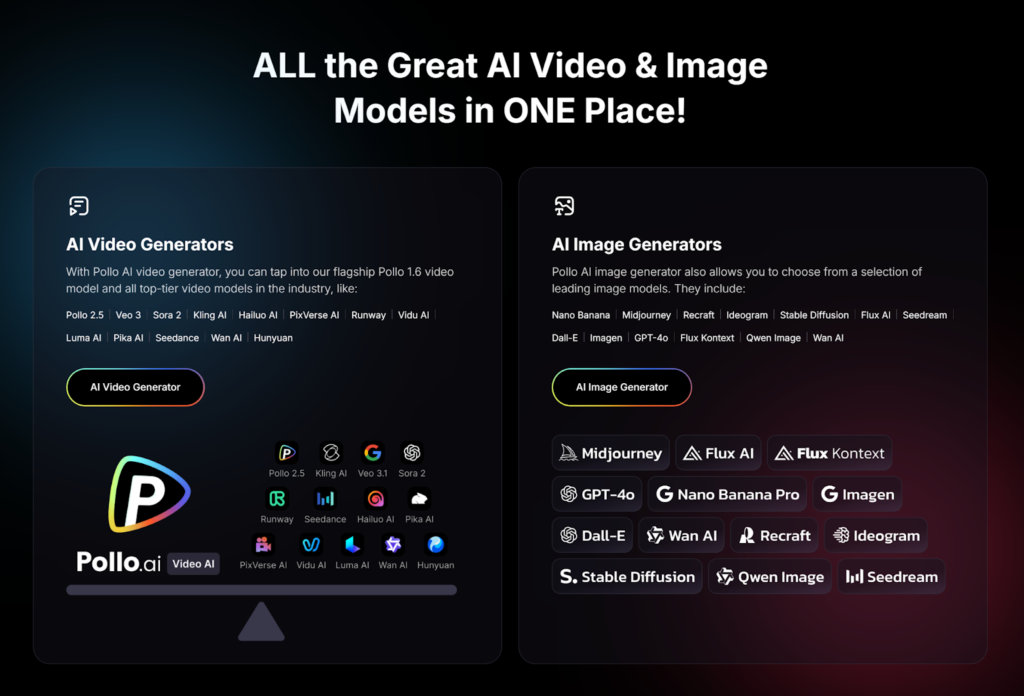
For teams looking to streamline this process, Pollo AI offers a compelling solution. Unlike complex editing suites that require professional skills, Pollo AI is an all-in-one AI video editor built for speed and accessibility. It specializes in generating high-quality AI images and videos from simple prompts.
What makes Pollo AI particularly powerful for localization is its ability to create viral-ready short videos with a single click, eliminating the need for manual editing or splicing. If you need a localized video for the Brazilian market and another for the Japanese market, you don’t need to re-edit the timeline; you simply adjust your prompts. Furthermore, the Pollo AI app allows marketers to generate these assets on the fly, meaning a social media manager can react to local trends in real-time, producing high-quality video content directly from their phone.
Breaking the Language Barrier Visually
Localization goes beyond geography; it’s about cultural nuance. A color that signifies luck in one culture might signify mourning in another. A gesture that is friendly in the US might be offensive in the Middle East.
AI tools allow you to iterate quickly to respect these nuances. You can generate storyboards or video clips that specifically adhere to local cultural codes. If you are launching a product in India during Diwali, you can generate video content that features specific festival aesthetics—lamps (diyas), rangoli patterns, and festive attire—without needing a physical production crew on the ground in Mumbai.
Keeping the “Human” in the Loop
While AI can generate the assets, the strategy must remain human. The role of the localization manager is shifting. Instead of managing logistics and schedules, they are now managing prompts and quality control.
The goal is to use AI to handle the heavy lifting of production—the rendering, the lighting, the scene construction—so that the human team can focus on the message. Is the tone right? Is the humor landing? Is the brand voice consistent across borders?
The Efficiency of “One-Click” Globalization
We are moving toward a future where “global” doesn’t mean “generic.” In the past, brands used one generic video for the whole world because it was too expensive to customize. Now, hyper-localization is affordable.
By utilizing tools like Pollo AI, brands can bypass the traditional bottlenecks of video production. You no longer need a large team to edit distinct versions of a video for France, Germany, and Spain. You can generate them. This shift allows smaller brands to punch above their weight class, entering new markets with content that looks and feels like it belongs there.
The era of hiring a separate production crew for every country is fading. With the right AI tools, your local team can become a global powerhouse, creating content that speaks to the world, one generated pixel at a time.