Why Rugged Tablets Are Becoming Essential Tools for High-Productivity Field Work

The Reality of Modern Field Work
Field work puts hardware to the test. Devices face vibration, drops, water spray, dust, temperature changes, and constant use, often while running GPS, cameras, and business apps all day. Meanwhile, teams must document work, sync data securely, and stay in touch with dispatch or operations.
Consumer tablets work fine indoors, but they are not built for repeated impacts, long outdoor use, or full-day shifts with radios, peripherals, and vehicle docks. When a device fails, the cost goes beyond just replacing it. Lost labor, delayed reports, extra site visits, and workflow problems all add up. That’s why rugged tablets are now standard in construction, utilities, EMS, and field service.
What Makes a Tablet “Rugged”?
A rugged tablet is not just about having a tough case. It is built from the ground up to handle tough environments and keep working reliably. This usually means:
- Ingress protection (IP) for dust and water resistance (common target: IP65/IP66 or higher, depending on exposure).
- MIL-STD testing for drop, shock, vibration, and temperature extremes, aimed at reducing failures from everyday handling and vehicle transport.
- Reinforced chassis and sealed I/O, because ports and seams are frequent points of failure in the field.
- Docking ecosystems (vehicle docks, office docks, carry solutions) are designed for repeated use and secure mounting.
Early rugged devices focused on durability but often sacrificed ease of use. Newer rugged tablets keep that strong build while also improving performance, display quality, and input options. Now, the device not only survives the job but also helps speed up the work.
Core Capabilities That Drive Field Productivity
Durability and Resilience
Durability matters most when it keeps work moving. In the field, screens, charging ports, and connectors often fail due to vibration. Rugged tablets solve this with sealed housings, strong corners, and secure parts built to handle shocks. This means fewer repairs and less need for crews to switch back to paper when devices stop working.
Battery Performance
Battery life is not just a bonus; it is essential when field teams are away from power for 10 to 12 hours. Rugged tablets usually address this in two ways:
- High-capacity batteries designed for sustained load (GPS + radios + camera + LOB apps).
- Hot-swappable battery systems let you change batteries without shutting down the device or closing apps. This is critical when running inspections, mapping, or patient data tools.
This hot-swap feature is a major advantage for keeping operations running, especially for teams on rotating shifts or working in remote locations.
Connectivity
Field connectivity is rarely uniform. Rugged tablets often support modern wireless standards like Wi-Fi 6E and 4G/5G, plus GPS for location services and Bluetooth for scanners, sensors, and accessories.
It is also important that rugged tablets work with existing field equipment. Many models support both new and old ports, such as USB-C and serial options like RS232. This makes it easier to connect with older tools, meters, and vehicle systems without needing lots of adapters.
Usability in Harsh Conditions
Usability is key to field productivity. Rugged tablets often include features that make data entry and use easier:
- High-brightness, sunlight-readable displays for outdoor legibility.
- Touch modes optimized for gloves, rain, or wet surfaces (where standard capacitive touch can struggle).
- Programmable buttons for repeatable tasks (camera, push-to-talk, workflow shortcuts).
- Mounting and docking options that keep the device stable and accessible in vehicles and on-site.
These features are not just for looks. They help save time by reducing the need to re-enter data, struggle with the interface, or move to a sheltered spot just to use the device.
How Rugged Tablets Improve Productivity Across Industries
Construction and Field Service
Rugged tablets help teams document work faster. Crews can do inspections, add photos, mark up plans, and send reports right from the job site. This improves tracking, speeds up approvals, and cuts down on rework from missing or late details. In the field, rugged tablets often serve as a mobile hub for checklists, progress tracking, and safety records.
Utility Field Operations
Utility teams often work across large areas with different levels of coverage. Rugged tablets help with mapping, work orders, asset tracking, and remote diagnostics, while sending data securely to central offices. This leads to fewer trips, better first-time fixes, and quicker support when needed.
Emergency Medical Services (EMS)
In EMS, devices are exposed to drops, bodily fluids, disinfectants, and rapid handoffs between team members. Rugged tablets can support quick access to protocols, reference tools, and patient documentation while keeping communications active with hospitals or dispatch. The value is speed and reliability—systems that remain usable during critical moments rather than failing under environmental or handling stress.
Field Data: Accuracy, Security, and Operational Continuity
Rugged tablets are increasingly deployed as part of a larger field digitization strategy: real-time data capture, immediate validation, and secure upload into back-office systems. Compared to paper-first workflows, rugged tablet deployments can reduce:
- Manual re-entry and transcription errors
- Delayed reporting that slows decision-making
- Data gaps that cause repeat visits or compliance issues
The biggest operational advantage is keeping work moving. Fewer device failures mean fewer workflow interruptions, less need for offline fixes, and more consistent data quality across teams and shifts.
Supporting Field Productivity with Getac Rugged Tablets
For teams that need a fully rugged platform built around uptime, the Getac K120 is designed for demanding field environments with a focus on continuity.
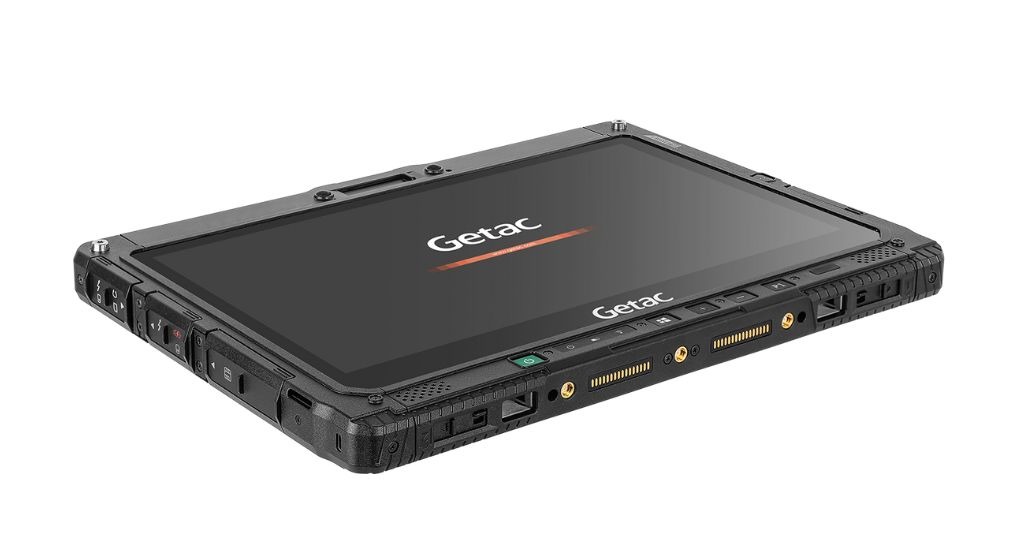
The K120 has IP66 and MIL-STD-810H ratings to protect against dust, water, drops, shock, and vibration. It features a bright display for outdoor use and dual hot-swappable batteries for long shifts without stopping. With strong processing for real-time reporting, diagnostics, and documentation, the K120 is designed as a true operational tool, not just another device.
The Business Impact of Rugged Mobility
Rugged tablets often cost more at first, but the return on investment comes from reduced downtime, fewer replacements, fewer workflow issues, and greater data consistency. When crews spend less time fixing hardware and more time working, productivity goes up, along with trust in the field system.
In many workplaces, rugged tablets are becoming standard equipment instead of just specialty tools. If your organization is updating field operations, rugged mobility is about more than durability. It is about making sure the workflow stays on track in real-world conditions.