How Forklift Hire in Birmingham Can Keep Your Operations Moving
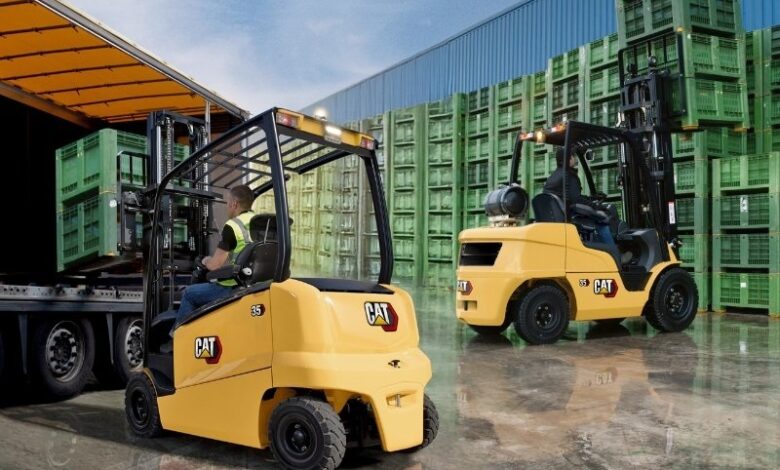
Birmingham has a way of testing operational resilience. Between ring-road traffic, tight delivery windows, and industrial sites that range from modern logistics parks to older, space-constrained yards, materials handling needs to be dependable—or delays start multiplying fast.
That’s where forklift hire becomes less of a “nice-to-have” and more of a practical tool for keeping throughput steady. Not because hiring is inherently better than owning, but because it lets you match the right truck, capacity, and support level to what your site actually needs this week, not what you guessed you’d need three years ago.
For example, if you’re weighing options for local jobs—construction compounds, warehouses, manufacturing units, or short-term fit-outs—resources like forklift equipment hire for Birmingham sites can help you sanity-check what’s available and what’s realistic for the footprint and conditions you’re working with. The bigger point is this: in a city with variable demand and tight margins, flexibility is often the difference between “operational” and “firefighting.”
Why Birmingham Operations Benefit from Forklift Hire (More Than You Might Expect)
Hiring a forklift is often treated as a cost decision. In practice, it’s just as much a continuity decision.
Short-term demand spikes don’t wait for capex cycles
Many Birmingham businesses experience uneven loading patterns—seasonal peaks, project-driven surges, or customer contracts that ramp faster than internal procurement. Hiring allows you to:
- Add capacity quickly without committing to a permanent fleet expansion
- Test whether a different truck type actually improves productivity
- Scale down again when the surge passes, without idle equipment on-site
That’s not just financial flexibility—it’s operational breathing room.
The “right truck” is site-specific, not generic
A common cause of slowdowns is using the wrong machine for the environment. Birmingham sites can present quirks: older yards with uneven surfaces, narrow aisles in legacy units, mezzanine storage, mixed indoor/outdoor work, or strict noise requirements near residential boundaries.
Hiring helps you select equipment around real constraints:
- Lift height and reach for racking layouts that have evolved over time
- Tyre type (pneumatic vs cushion) depending on surfaces and debris
- Power source (electric, diesel, LPG) based on ventilation and emissions rules
- Capacity margins for awkward loads, not just the “average pallet”
If you’re moving heavier or unusual loads, the difference between a truck that’s merely “rated” and one that’s genuinely stable and suited can be the difference between smooth shifts and constant micro-delays.
Uptime Is the Real KPI: Maintenance, Support, and Replacement
Most operations leaders don’t lose sleep over the hourly rate. They lose sleep over downtime at 10:30 a.m. when inbound goods are stacked in the yard and the pick line is waiting.
Planned maintenance is easier to manage when support is built in
In owned fleets, maintenance often becomes reactive—especially when engineering teams are stretched. With a hire arrangement, support structures are typically clearer: scheduled servicing, call-outs, and (in many cases) replacement options if a unit can’t be repaired quickly enough.
The practical benefit: fewer “single point of failure” moments where one breakdown stalls a whole workflow.
Replacement speed matters more than you think
A forklift isn’t like a company car; when it’s down, it can stop a bay, block an aisle, or delay a loading slot you can’t easily rebook. When you’re hiring, one of the smartest questions to ask isn’t “What’s the price?” but:
“If this truck fails, how fast can a suitable replacement be on-site?”
In Birmingham, where many sites run tight turnarounds, that answer can be worth more than a small difference in weekly cost.
Compliance, Safety, and Training: The Non-Negotiables
Forklifts sit at the intersection of productivity and risk. A rushed setup—especially during a busy period—can create avoidable hazards.
Certification and inspection expectations
Whatever your arrangement, you still need to meet legal and site requirements: regular inspections, documented maintenance, and equipment that’s fit for purpose. Hiring can simplify the paper trail because the equipment provider will usually have clear servicing records and schedules.
That said, responsibility doesn’t disappear. You still need solid on-site checks: tyres, forks, hydraulics, warning alarms, and operator visibility.
Operators make or break performance
An overlooked truth: the same forklift can perform very differently depending on operator familiarity and training. If you’re introducing a different truck type (say, moving from counterbalance to reach), build in time for operator orientation. It’s not just about safety; it’s about cycle times.
Ask yourself:
- Are operators comfortable with the control layout and turning radius?
- Do they understand load charts and stability changes at height?
- Is there a clear traffic management plan to reduce near misses?
A few hours of structured familiarisation often pays back immediately in smoother work and fewer small incidents.
Choosing Hire Equipment That Actually Fits Your Operation
Hiring works best when you treat it like a small design exercise, not a quick purchase.
Start with the load, then design backward
Before choosing a forklift, map the real workflow:
- What is the heaviest load, not the usual one?
- What’s the largest footprint (stillages, long packs, irregular loads)?
- What’s the maximum lift height required, including clearance?
- Where are the pinch points—doorways, ramps, yard gradients?
This is how you avoid hiring a truck that “should be fine” and discovering it can’t turn safely in the loading area.
Consider electric for indoor and mixed environments
Electric trucks are increasingly common for good reasons: lower noise, no exhaust, and often strong performance for warehouse work. They can also align with customer expectations around sustainability—something more Birmingham businesses are being asked to evidence.
But check realities:
- Charging infrastructure and power availability
- Battery swap needs for multi-shift operations
- Wet or debris-heavy outdoor areas where traction matters
The best answer is often hybrid across the fleet: electric indoors, IC (diesel/LPG) for tougher yard work.
Making Hire a Strategic Tool, Not a Last-Minute Fix
The most effective operations don’t hire because they’re stuck; they hire because they’re planning. If you know a busy quarter is coming, lock in equipment early, confirm lead times, and schedule delivery so it doesn’t collide with peak inbound activity.
One practical approach is to set a simple trigger: if utilisation passes a certain threshold (say, trucks running flat-out with no buffer for breaks, charging, or maintenance), that’s your signal to bring in hired capacity before service levels dip.
In a city as operationally demanding as Birmingham, forklift hire isn’t just about “getting a truck.” Done thoughtfully, it’s a way to protect throughput, reduce downtime risk, and keep your team moving—without overcommitting your fleet for the quieter months.