Alert Necklace for Elderly That Helps Seniors Stay Independent
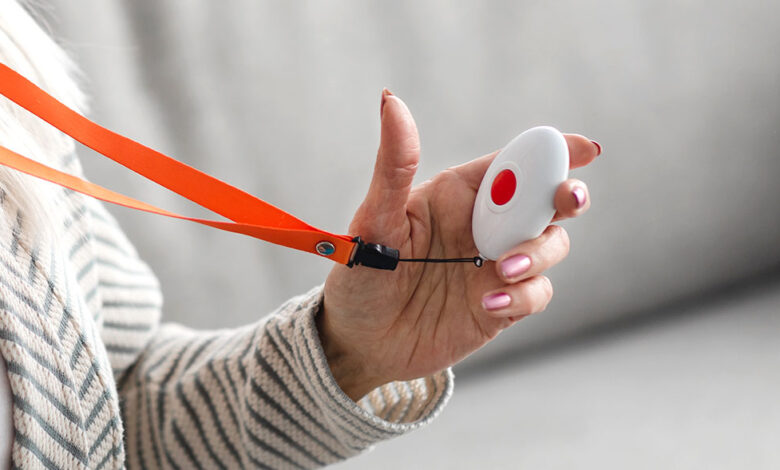
Independence in later life is often framed as an emotional aspiration, but it is also a measurable public health objective. Research in gerontology consistently links sustained independence with improved mental health outcomes, lower rates of depression, stronger cognitive engagement, and higher overall quality of life. The ability to manage daily routines — preparing meals, moving freely around the home, engaging in hobbies — reinforces both dignity and psychological stability. Autonomy is not only symbolic; it directly influences long-term well-being.
At the same time, epidemiological data show that the statistical risk of falls, cardiovascular events, and other acute medical episodes increases with age. This creates a persistent tension between autonomy and safety. Families may worry about leaving an older adult alone, while seniors themselves may resist measures that feel restrictive or overly supervisory. The challenge is not choosing between independence and protection — it is designing systems that support both.
An alert necklace for elderly individuals addresses this tension in a practical and balanced way. Rather than limiting movement, imposing constant oversight, or requiring complex setup, it provides a responsive safeguard that activates only when necessary. This approach aligns with findings from human-centered design research, which indicate that older adults are significantly more likely to adopt and consistently use assistive technology when it preserves personal control, reduces cognitive burden, and minimizes intrusion into daily life.
An alert necklace for elderly users functions as a quiet contingency plan. It does not interfere with ordinary activities. A senior can walk to the mailbox, cook dinner, water the garden, or rest in another room without needing to carry a phone or remain within sight of others. The device remains passive — until it is needed. In the event of a fall, sudden dizziness, chest discomfort, or other distress, assistance can be summoned immediately with a simple, familiar action.
This simplicity is critical. In urgent situations, stress can impair memory and coordination. Eliminating multiple steps or digital navigation ensures that the pathway to help remains clear and accessible. The result is not dependency, but supported independence — a form of safety infrastructure that remains largely invisible in everyday life, yet becomes essential the moment circumstances demand it.