10 Practical Applications of a 100 GPM Centrifugal Pump in Process Industries
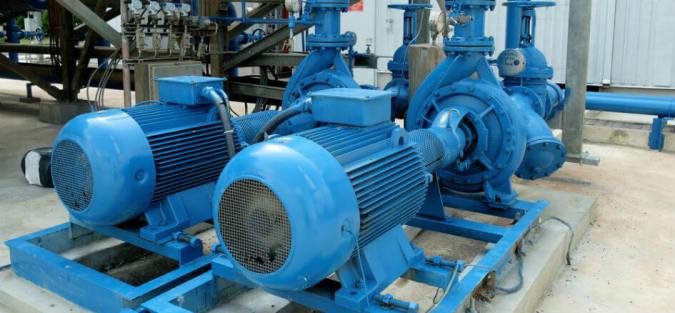
In many industrial systems, not every application requires extremely high flow rates. In fact, moderate-flow pumps often provide better control, efficiency, and cost-effectiveness. A 100 gpm centrifugal pump is widely used across process industries where steady, controlled fluid transfer is essential.
Below are ten practical applications where this capacity range proves highly effective.
1. Chemical Transfer Between Process Units
In chemical plants, controlled fluid movement between reactors, storage tanks, and processing units is critical.
A 100 GPM centrifugal pump offers:
- Stable discharge flow
- Compatibility with various materials
- Continuous-duty capability
It is ideal for moderate-volume transfer without oversizing the system.
2. Cooling Water Circulation Systems
Many manufacturing facilities require cooling systems that:
- Maintain consistent temperature
- Circulate water continuously
- Operate efficiently over long cycles
A 100 GPM pump supports closed-loop cooling systems in mid-scale operations.
3. Boiler Feed Support Systems
In smaller industrial boilers or auxiliary systems, controlled feedwater flow is essential. This capacity range ensures:
- Smooth feed regulation
- Reduced pressure fluctuations
- Improved energy efficiency
4. Filtration System Feed
Process industries rely on filtration units for:
- Solid removal
- Fluid purification
- Chemical separation
A 100 GPM centrifugal pump provides consistent pressure and flow to maintain filter performance.
5. Water Treatment Dosing and Transfer
Municipal and industrial water treatment facilities use moderate-flow pumps for:
- Moving treated water
- Supporting chemical dosing systems
- Transferring water between tanks
The controlled capacity reduces turbulence and improves system stability.
6. Food and Beverage Processing
In food manufacturing environments, fluid transfer must be:
- Hygienic
- Reliable
- Precisely controlled
A 100 GPM pump supports:
- Ingredient transfer
- Cleaning-in-place (CIP) systems
- Process water circulation
Material compatibility is essential in these applications.
7. Pharmaceutical Manufacturing
Pharmaceutical plants require accurate and contamination-free fluid handling.
A 100 GPM centrifugal pump is commonly used for:
- Purified water systems
- Intermediate product transfer
- Controlled circulation
Precision flow helps maintain regulatory compliance.
8. Irrigation and Utility Water Systems
In agricultural and industrial irrigation systems, moderate flow rates are often sufficient.
A 100 GPM pump provides:
- Balanced pressure
- Efficient water distribution
- Reduced energy consumption
It supports reliable performance without unnecessary infrastructure.
9. Effluent and Wastewater Handling
Small-to-medium manufacturing plants generate wastewater that must be:
- Transferred to treatment systems
- Moved to holding tanks
- Pumped through filtration
This capacity ensures consistent effluent management without excessive power usage.
10. Auxiliary Process Support
Many industrial plants operate secondary systems such as:
- Lubrication circulation
- Seal water supply
- Heat exchanger feed
A 100 GPM centrifugal pump fits perfectly in these auxiliary roles where stable, moderate flow is required.
Why Centrifugal Design Works Well at 100 GPM
Centrifugal pumps are widely chosen for this flow range because they offer:
- Smooth, continuous flow
- Lower maintenance compared to positive displacement pumps
- Energy efficiency near best efficiency point (BEP)
- Adaptability to various industrial fluids
They are especially suitable for low-viscosity fluids and continuous-duty operation.
Key Selection Considerations
Before specifying a pump, evaluate:
- Total Dynamic Head (TDH)
- Fluid viscosity and temperature
- Corrosive or abrasive properties
- Required duty cycle
- Motor efficiency
Matching pump curves with system conditions ensures optimal performance.
Final Thoughts
In process industries, success often lies in selecting equipment that fits the exact operational requirement—not simply choosing the largest option available.
A well-specified 100 gpm centrifugal pump delivers precise, energy-efficient, and reliable performance for a wide range of moderate-flow applications. For engineers and procurement professionals seeking balanced capacity and operational control, this pump category remains a practical and dependable solution.
Right-sizing your pump isn’t just about flow—it’s about long-term efficiency and system stability.