In-House Mold Fabrication vs Wholesale Components: The True Cost Analysis US Manufacturers Need
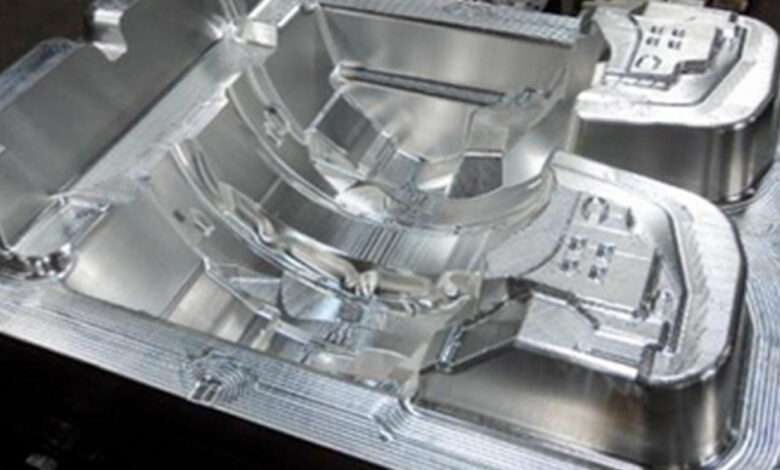
Manufacturing operations face mounting pressure to reduce lead times while maintaining product quality standards. The decision between building mold components internally versus sourcing them through wholesale channels directly impacts production schedules, capital allocation, and operational flexibility. This choice becomes more critical as tooling complexity increases and market demands shift toward faster product development cycles.
The cost structure of mold component procurement extends beyond initial purchase prices. Internal fabrication requires substantial upfront investment in equipment, skilled labor, and quality control systems. Wholesale sourcing introduces different variables including supplier reliability, inventory management, and quality consistency across multiple vendors. Understanding these operational realities helps manufacturers align their component sourcing strategy with broader business objectives.
Understanding Wholesale Component Procurement Models
Wholesale mold components fabrication operates through established supply networks that specialize in producing standardized and custom tooling elements at scale. These suppliers maintain dedicated manufacturing facilities focused specifically on mold component production, allowing them to achieve economies of scale that individual manufacturers typically cannot match internally.
The procurement process involves selecting components from established catalogs or working with suppliers to develop custom solutions based on specific application requirements. A comprehensive Wholesale Mold Components Fabrication guide typically covers material specifications, dimensional tolerances, and delivery timelines to help manufacturers evaluate options systematically.
Wholesale suppliers often maintain inventory levels that enable rapid order fulfillment, particularly for standard components. This inventory model shifts the carrying cost burden from the manufacturer to the supplier while providing access to components when production schedules demand quick turnaround. The supplier assumes responsibility for material procurement, quality control, and finished goods inventory management.
Quality Control and Standardization
Wholesale component suppliers implement quality systems designed to maintain consistency across large production volumes. These systems often include statistical process control, material traceability, and standardized inspection procedures that individual manufacturers would need to develop and maintain independently. The supplier’s quality infrastructure becomes an extension of the manufacturer’s quality system.
Standardization across component designs allows wholesale suppliers to optimize their manufacturing processes for specific part geometries and material combinations. This specialization often results in superior surface finishes, tighter dimensional tolerances, and more consistent material properties compared to components produced occasionally by manufacturers as secondary operations.
Supply Chain Integration
Effective wholesale component sourcing requires integration with existing supply chain management systems. This integration includes purchase order processing, delivery scheduling, and inventory tracking. Suppliers that provide electronic data interchange capabilities or integrate with common enterprise resource planning systems reduce administrative overhead and improve order accuracy.
Lead time management becomes a shared responsibility between manufacturer and supplier. Suppliers typically provide lead time commitments based on component complexity and current production capacity. Manufacturers must balance these lead times against their production schedules and factor in appropriate safety stock levels to prevent production disruptions.
Internal Fabrication Infrastructure Requirements
Establishing internal mold component fabrication capability requires significant investment in specialized equipment, skilled personnel, and supporting infrastructure. The equipment requirements vary based on component complexity but typically include precision machining centers, grinding equipment, electrical discharge machining systems, and coordinate measuring machines for quality verification.
The skill sets required for mold component fabrication extend beyond standard machining operations. Operators need expertise in complex part programming, fixture design, and specialized cutting techniques for hardened materials. Tool and die makers must understand thermal treatment processes, material properties, and precision assembly techniques. This expertise development represents a long-term investment in human resources.
Capital Equipment Considerations
Machine tool selection for mold component fabrication must account for the precision requirements and material characteristics specific to tooling applications. High-speed machining centers capable of maintaining tight tolerances while processing hardened steels typically command premium prices. These machines require climate-controlled environments and specialized foundation work to maintain accuracy specifications.
Supporting equipment includes tool grinding systems, inspection equipment, and material handling systems designed for heavy tooling components. The total capital investment often exceeds the initial machine tool costs when auxiliary equipment and facility modifications are included. According to the U.S. Census Bureau manufacturing data, machinery investments require careful depreciation planning to maintain competitive cost structures.
Operational Overhead and Utilization
Internal fabrication operations generate overhead costs that continue regardless of production volume. These costs include equipment maintenance, facility expenses, insurance, and personnel costs. Achieving acceptable utilization rates requires consistent demand for internally produced components or the ability to generate revenue through external customer work.
Production planning becomes more complex when mold components compete with primary product manufacturing for machine time and operator attention. Rush orders for tooling components can disrupt established production schedules, creating conflicts between immediate tooling needs and longer-term production commitments.
Cost Analysis Framework
Accurate cost comparison between internal fabrication and wholesale procurement requires comprehensive analysis of both direct and indirect cost elements. Direct costs for wholesale procurement include component purchase prices, freight charges, and receiving inspection labor. Internal fabrication direct costs encompass raw materials, machine time, labor, and tooling consumption.
Indirect costs significantly influence the total cost equation. Wholesale procurement indirect costs include supplier qualification, purchase order processing, inventory carrying costs, and supplier management overhead. Internal fabrication indirect costs include equipment depreciation, facility overhead allocation, maintenance expenses, and capacity opportunity costs.
Volume Impact on Unit Economics
Production volume dramatically affects the unit cost structure for both procurement models. Wholesale suppliers typically offer volume discounts but may require minimum order quantities that exceed immediate requirements. Internal fabrication spreads fixed costs over production volume, making small quantities expensive while larger volumes approach material and direct labor costs.
The break-even volume where internal fabrication costs equal wholesale procurement costs depends on component complexity, required tolerances, and material specifications. Simple components with standard materials favor wholesale procurement due to supplier economies of scale. Complex components with unique specifications may favor internal fabrication when volumes justify the setup investments.
Quality Cost Considerations
Quality-related costs include incoming inspection, rework, scrap, and production delays caused by defective components. Wholesale suppliers typically assume responsibility for quality defects through warranty programs, but manufacturers still incur costs related to production disruptions and replacement component expediting.
Internal fabrication quality costs include process development, first-piece inspection, in-process monitoring, and final verification. While manufacturers maintain direct control over quality processes, they also assume full responsibility for defect costs and schedule impacts. The learning curve associated with new component designs can result in higher initial scrap rates and longer development cycles.
Risk Assessment and Mitigation
Supply chain risk differs significantly between wholesale procurement and internal fabrication models. Wholesale procurement creates dependency on external suppliers, introducing risks related to supplier financial stability, capacity constraints, and delivery performance. Single-source suppliers present particular risks when components have long lead times or require specialized manufacturing capabilities.
Internal fabrication risks include equipment breakdowns, key personnel departures, and quality issues that affect production schedules. While manufacturers maintain direct control over these risk factors, they also bear full responsibility for mitigation strategies and backup plans. Equipment redundancy and cross-trained personnel help reduce these risks but increase operational costs.
Supply Continuity Planning
Effective supply continuity planning addresses potential disruptions regardless of sourcing strategy. Wholesale procurement strategies include supplier diversification, strategic inventory management, and alternative source qualification. Multiple suppliers reduce dependency risks but require additional supplier management overhead and may result in higher unit costs.
Internal fabrication continuity planning focuses on equipment reliability, maintenance programs, and personnel backup strategies. Preventive maintenance programs reduce unplanned downtime but require dedicated resources and scheduled production interruptions. Cross-training programs ensure operational continuity but increase labor costs and training time investments.
Financial Risk Management
Financial risks associated with wholesale procurement include supplier credit issues, price volatility, and currency fluctuations for imported components. Long-term contracts can provide price stability but may limit flexibility to respond to market changes or volume fluctuations. Payment terms affect cash flow but may influence unit pricing and supplier relationships.
Internal fabrication financial risks center on capacity utilization, technology obsolescence, and capital recovery. Underutilized equipment increases unit costs while over-commitment to internal capacity limits sourcing flexibility. Technology advances may render internal equipment obsolete before full depreciation, creating write-off losses and competitive disadvantages.
Strategic Decision Framework
The choice between wholesale procurement and internal fabrication should align with overall manufacturing strategy and core competency development. Companies that view mold components as strategic differentiators may justify internal fabrication investments to maintain technical control and intellectual property protection. Organizations focused on assembly and product development may prefer wholesale procurement to concentrate resources on primary value-adding activities.
Market dynamics also influence sourcing decisions. Industries with rapidly changing product designs favor flexible procurement strategies that adapt quickly to new requirements. Mature markets with standardized products may justify internal fabrication investments when volumes support efficient utilization. The competitive landscape determines whether mold component capabilities provide meaningful advantages or simply represent necessary operational requirements.
Implementation Timeline Considerations
Wholesale mold components fabrication provides immediate access to production capability without development delays. Supplier qualification and initial orders can typically begin within weeks of decision-making. This rapid implementation supports aggressive product development schedules and reduces time-to-market pressures.
Internal fabrication capability development requires extended implementation periods covering equipment procurement, installation, personnel hiring, and process development. These timelines often extend six months to two years depending on complexity requirements. The extended implementation period may conflict with immediate production needs and market opportunities.
Scalability and Growth Planning
Wholesale procurement scales naturally with business growth without requiring proportional capital investments or facility expansions. Suppliers typically maintain excess capacity and can accommodate volume increases within existing commercial relationships. This scalability supports business growth without constraining capital allocation to supporting operations.
Internal fabrication scalability requires planned capacity investments that precede volume growth. Equipment purchases must anticipate future requirements while maintaining acceptable utilization during growth phases. This capital intensity may limit flexibility and require accurate long-term demand forecasting.
Conclusion
The decision between internal mold component fabrication and wholesale procurement requires careful analysis of cost structures, risk profiles, and strategic objectives. Wholesale procurement offers immediate capability access, scalable capacity, and specialized expertise without significant capital investment. Internal fabrication provides direct control, potential cost advantages at high volumes, and protection of proprietary designs.
Successful manufacturers often employ hybrid strategies that combine both approaches based on component characteristics and business priorities. Critical components with unique specifications may justify internal fabrication while standard components benefit from wholesale supplier economies of scale. This balanced approach optimizes cost structures while maintaining operational flexibility and risk management.
The choice ultimately depends on each manufacturer’s specific circumstances including volume requirements, technical capabilities, capital availability, and competitive positioning. Regular evaluation of sourcing strategies ensures alignment with changing business conditions and market opportunities. The most effective approach balances immediate operational needs with long-term strategic objectives while maintaining focus on core manufacturing competencies.