7 Critical Mistakes US Manufacturers Make When Choosing Bulk Packaging Systems for Granules
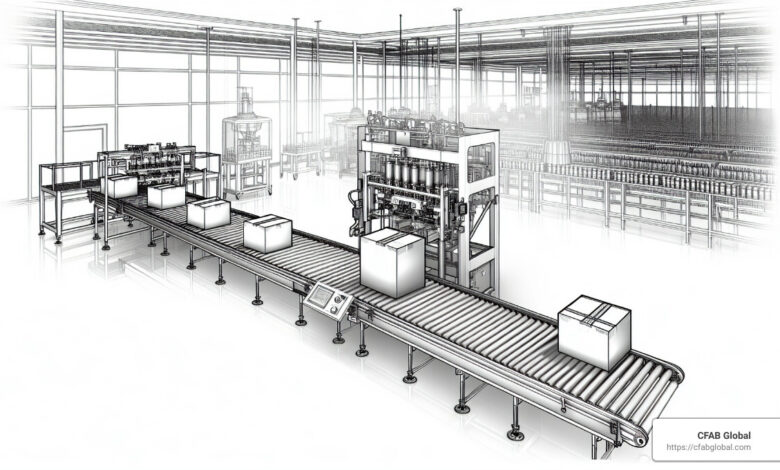
Manufacturing operations that handle granular materials face a complex decision when selecting packaging systems. The wrong choice can disrupt production schedules, compromise product quality, and create costly operational bottlenecks. These systems must handle varying material properties, maintain consistent output rates, and integrate seamlessly with existing production lines. When manufacturers rush this decision or focus solely on upfront costs, they often discover expensive problems months into operation.
The stakes are particularly high for companies processing food ingredients, pharmaceuticals, chemicals, and industrial materials where contamination, waste, and downtime carry significant financial consequences. Understanding the most common selection errors helps manufacturers make informed decisions that support long-term operational stability and growth.
Underestimating Material Flow Characteristics and System Compatibility
Granular materials exhibit distinct flow behaviors that directly impact packaging system performance. Materials with poor flowability, high moisture content, or irregular particle sizes require specific handling approaches that generic systems cannot accommodate. When manufacturers select bulk packaging systems for granules supplier options without thoroughly analyzing their material properties, they create conditions for bridging, ratholing, and inconsistent fill weights.
Flow characteristics depend on particle shape, size distribution, surface texture, and environmental factors like humidity and temperature. Angular particles tend to interlock and resist flow, while spherical materials may flow too freely and create dust issues. Systems designed for free-flowing materials will struggle with cohesive powders, leading to erratic discharge rates and frequent manual intervention.
Impact on Production Consistency
Poor material-system compatibility creates cascading operational problems. Inconsistent flow leads to variable fill weights, requiring constant adjustment of fill parameters and increasing waste from overfilled or underfilled packages. Production rates decline as operators spend time clearing blockages and recalibrating equipment. Quality control becomes more difficult when the packaging process introduces variability that masks actual product inconsistencies.
Integration Challenges with Existing Equipment
Material flow problems become magnified when packaging systems cannot integrate smoothly with upstream and downstream equipment. Surge bins, conveyors, and sealing equipment all depend on consistent material delivery. When the packaging system creates flow disruptions, the entire production line suffers reduced efficiency and increased maintenance requirements.
Focusing Exclusively on Initial Purchase Price
Cost-focused decision making often overlooks the total operational expense of packaging systems. While budget constraints are legitimate concerns, manufacturers who select systems based primarily on lowest initial cost frequently encounter higher long-term expenses through increased maintenance, reduced efficiency, and premature replacement needs.
Lower-priced systems typically use less robust components, simplified control systems, and standardized designs that may not suit specific applications. These compromises become apparent during daily operations when systems require more frequent repairs, consume more labor for operation and cleaning, and deliver inconsistent performance that affects overall production metrics.
Hidden Operational Costs
Maintenance expenses accumulate quickly with poorly designed systems. Components that wear rapidly require frequent replacement, often during scheduled production time. Systems lacking proper dust control create cleaning burdens and potential contamination risks. Inefficient designs waste materials through spillage, dust generation, and inconsistent fill accuracy.
Energy consumption differences between systems can create substantial ongoing costs. Motors, pneumatic systems, and control electronics that operate continuously throughout production shifts consume significant power. Systems designed without efficiency considerations may use twice the energy of well-engineered alternatives.
Labor and Productivity Implications
Complex or unreliable systems demand more operator attention, reducing overall labor productivity. Training requirements increase when systems use non-standard interfaces or require specialized knowledge for routine operations. Troubleshooting poorly designed systems consumes skilled technician time that could address more critical production needs.
Neglecting Future Production Volume and Product Mix Requirements
Manufacturing operations evolve continuously, with changing product demands, new material types, and shifting production volumes. Systems selected for current requirements may become inadequate as businesses grow or product lines expand. This shortsighted approach forces manufacturers to invest in additional equipment sooner than necessary or accept reduced efficiency as production demands exceed system capabilities.
Capacity planning requires understanding both peak demand periods and long-term growth projections. Systems operating near maximum capacity during normal conditions cannot handle surge requirements or seasonal volume increases. Additionally, manufacturers introducing new products may discover their packaging systems cannot accommodate different material properties or package sizes.
Scalability and Flexibility Considerations
Rigid system designs limit adaptation to changing requirements. Fixed conveyor heights, dedicated controls for single products, and inflexible discharge mechanisms create barriers when manufacturers need to modify operations. Systems with modular designs and adjustable parameters provide better long-term value by accommodating growth and change without complete replacement.
Product mix complexity affects system selection significantly. Operations packaging multiple materials require quick changeover capabilities, effective cleaning procedures, and flexible control systems. Single-product systems may offer lower initial costs but become limiting factors when business requirements expand.
Technology Evolution and Compatibility
Control systems and automation technology advance rapidly, creating compatibility challenges for systems using outdated interfaces or proprietary protocols. Manufacturers selecting systems without considering future integration needs may find themselves locked into obsolete technology that cannot communicate with newer plant systems or accept modern safety and monitoring upgrades.
Overlooking Environmental and Regulatory Compliance Requirements
Packaging operations must comply with industry-specific regulations covering dust emissions, noise levels, safety systems, and material handling procedures. Food processing facilities operate under stringent sanitation requirements, while chemical and pharmaceutical operations face additional safety and containment standards. Systems that cannot meet these requirements create compliance risks and potential operational shutdowns.
Environmental regulations continue expanding, particularly regarding dust emissions and workplace air quality. The Occupational Safety and Health Administration maintains strict standards for combustible dust and particulate exposure that packaging systems must address through proper containment and ventilation design.
Sanitation and Cleanability Requirements
Food and pharmaceutical applications demand systems designed for thorough cleaning and sanitization. Surfaces must drain completely, eliminate dead zones where materials can accumulate, and provide access for cleaning verification. Systems lacking these design features create contamination risks and extend cleaning time, reducing available production hours.
Material compatibility with cleaning agents and sanitizers affects system longevity and effectiveness. Stainless steel components resist corrosion and maintain smooth surfaces, while painted or plated surfaces may degrade under repeated chemical exposure. Component selection impacts both regulatory compliance and long-term maintenance costs.
Safety System Integration
Modern packaging systems must integrate with plant safety systems, including emergency stops, lockout procedures, and hazardous energy isolation. Systems using outdated safety approaches may not comply with current standards and create liability concerns. Safety system retrofits often prove more expensive than selecting properly designed equipment initially.
Inadequate Evaluation of Supplier Technical Support and Service Capabilities
Complex packaging systems require ongoing technical support for optimization, troubleshooting, and maintenance. Suppliers without adequate service infrastructure leave manufacturers struggling with performance issues, extended downtime, and inadequate spare parts availability. This support becomes critical during system commissioning, when operators require training, and throughout the equipment lifecycle.
Geographic proximity affects service response times and costs. Suppliers located far from manufacturing facilities may require extended travel time for service calls, increasing both expense and downtime duration. Remote support capabilities help bridge geographic gaps but cannot replace on-site service for complex mechanical issues.
Technical Expertise and Training Quality
Effective system operation requires comprehensive operator and maintenance training. Suppliers must provide detailed documentation, hands-on instruction, and ongoing consultation as operators gain experience with equipment. Inadequate training leads to improper operation, premature wear, and safety concerns that affect long-term system performance.
Technical support quality varies significantly between suppliers. Some maintain dedicated application engineers who understand material handling challenges and can provide optimization guidance. Others offer only basic troubleshooting support that addresses symptoms rather than underlying operational issues.
Parts Availability and Lifecycle Support
Long-term parts availability ensures systems remain operational throughout their useful life. Suppliers who discontinue product lines or exit markets leave manufacturers searching for compatible replacement components. Understanding supplier stability and commitment to long-term support helps avoid future parts availability problems.
Standardized components reduce long-term support concerns by ensuring replacement parts remain available through multiple suppliers. Custom or proprietary components create dependency on original suppliers and may become unavailable if business conditions change.
Insufficient Testing and Validation During System Selection
Laboratory testing and pilot trials reveal system performance characteristics that specifications cannot predict. Materials behave differently under actual operating conditions, and subtle interactions between materials and equipment affect overall performance. Manufacturers who skip testing phases often discover performance problems after installation when corrections become expensive and disruptive.
Testing should include actual production materials under representative conditions, including temperature, humidity, and throughput rates. Laboratory conditions may not replicate plant environments where dust, vibration, and other factors influence system behavior. Comprehensive testing identifies potential issues while solutions remain feasible and cost-effective.
Performance Validation Metrics
Effective testing establishes measurable performance criteria including fill accuracy, throughput rates, dust generation, and cleanup requirements. These metrics provide objective comparison data between different systems and suppliers. Without quantitative validation, manufacturers rely on subjective assessments that may not predict actual operational performance.
Long-term testing reveals wear patterns and maintenance requirements that short demonstrations cannot show. Extended trials using production materials help identify component durability issues and maintenance frequency needs that affect total cost of ownership calculations.
Integration Testing Requirements
Systems must integrate seamlessly with existing production lines, control systems, and material handling equipment. Integration testing verifies communication protocols, timing sequences, and material flow coordination before final installation. Problems discovered during integration testing can be addressed through system modifications rather than expensive field changes.
Ignoring Operator Training and Change Management Requirements
New packaging systems require operators to learn different procedures, control interfaces, and troubleshooting approaches. Insufficient training creates safety risks, reduces system performance, and increases maintenance costs as operators struggle with unfamiliar equipment. Successful implementations require comprehensive training programs and adequate time for operators to develop proficiency.
Change management extends beyond technical training to include workflow modifications, responsibility assignments, and performance expectations. Operators accustomed to manual or semi-automatic systems may resist fully automated equipment that changes their daily routines. Addressing these concerns during system selection helps ensure successful implementation and long-term acceptance.
Training Program Development
Effective training programs combine classroom instruction with hands-on practice using actual equipment and materials. Generic training materials may not address specific applications or operational challenges that operators will encounter. Customized training programs that reflect actual working conditions produce better prepared operators and faster system acceptance.
Ongoing training support helps operators optimize system performance as they gain experience. Initial training provides basic operational knowledge, but advanced techniques for efficiency optimization and preventive maintenance develop through continued education and supplier consultation.
Performance Monitoring and Feedback Systems
Establishing clear performance metrics and feedback mechanisms helps operators understand system capabilities and identify optimization opportunities. Regular performance reviews comparing actual results to target specifications reveal areas where additional training or system adjustments might improve outcomes.
Documentation of operational experiences helps future operators learn from early users and builds institutional knowledge about system optimization. This knowledge base becomes particularly valuable during personnel changes and system maintenance activities.
Conclusion
Selecting bulk packaging systems for granular materials requires balancing multiple factors that affect both immediate performance and long-term operational success. The mistakes outlined above represent common oversights that create expensive problems and operational disruptions. Manufacturers who invest time in thorough evaluation, comprehensive testing, and proper implementation planning typically achieve better outcomes and lower total costs.
Successful system selection begins with understanding material properties and flow characteristics, then matches these requirements with appropriate technology and supplier capabilities. Cost considerations must include total ownership expenses rather than just initial purchase price. Future production requirements deserve equal attention to current needs, ensuring systems can adapt to changing business conditions.
The most reliable approach involves working with experienced suppliers who provide comprehensive testing, training, and ongoing support. This partnership approach helps manufacturers avoid common pitfalls and achieve optimal system performance throughout the equipment lifecycle. Taking time for proper evaluation and planning prevents costly mistakes that affect production efficiency for years to come.


