Jamaican Sea Moss vs Other Sea Moss Varieties: What’s the Difference?
Sea moss has gone from a niche pantry staple to a mainstream wellness ingredient—and with that rise has come plenty of confusion. “Sea moss” isn’t one single plant, and the label can hide big differences in species, growing conditions, processing, and ultimately the gel you make at home.
If you’ve ever wondered why Jamaican sea moss is often described differently from Irish moss, Pacific “cottonii,” or other Caribbean harvests, the answer is: it depends on what you’re actually buying. Let’s break down the most meaningful distinctions so you can choose with confidence.
Sea Moss 101: One Name, Several Seaweeds
“Sea moss” is a catch-all term used for a few types of red algae. The most common groups you’ll see sold to consumers include:
- Gracilaria species (often marketed as Caribbean or Jamaican sea moss)
- Chondrus crispus (traditionally called Irish moss)
- Kappaphycus/Eucheuma (often sold as “cottonii” in global markets, commonly farmed)
These aren’t interchangeable. They can look similar once dried, but they behave differently when soaked, blended, or boiled—especially in texture and thickness.
Jamaican Sea Moss: What People Usually Mean
When most sellers say Jamaican sea moss, they’re typically referring to Gracilaria harvested or farmed in Caribbean waters. It’s commonly sold in “gold” or “purple” forms, which may reflect strain, sun exposure, and drying methods more than a strict nutritional ranking.
Growing conditions matter more than the label
Two “Jamaican” sea moss batches can differ if one was grown in cleaner, more saline water and dried carefully, while another sat in a humid environment, picked up debris, or was exposed to contaminants near shore. In other words, geography is only part of the story—handling is the rest.
Irish Moss vs Jamaican Sea Moss: The Practical Differences
Irish moss (Chondrus crispus) grows in colder Atlantic waters and has a long history in traditional cooking, especially as a natural thickener. Jamaican/Caribbean sea moss (often Gracilaria) tends to be milder and is frequently used to make a blendable gel.
Texture and gel behavior
This is where most people notice the difference first.
- Irish moss often creates a more “set” or jelly-like texture when prepared with heat, thanks to its carrageenan content (a natural polysaccharide).
- Gracilaria-based sea moss commonly blends into a smoother gel that many people find easier to mix into smoothies, teas, or oats—especially when prepared without cooking.
Neither is “better.” They’re just suited to different uses. If you want a firmer, dessert-like thickness, Irish moss has a natural advantage. If you’re after a versatile, spoonable gel, Caribbean Gracilaria is often the easier daily driver.
Farming vs Wild-Harvest: A Bigger Divider Than Country
A major difference across sea moss products isn’t Jamaican vs non-Jamaican—it’s how it was grown.
Wild-harvest pros and cons
Wild harvesting can mean broader exposure to natural minerals and ocean biodiversity, but it also introduces variability. You may see more sand, shells, and natural debris, and you’re relying heavily on the harvester’s cleaning and drying standards.
Farmed sea moss: consistency with caveats
Farming can improve consistency and reduce some environmental pressure on wild beds, but it depends on where and how it’s done. Farm sites near polluted runoff or heavy boat traffic can introduce problems. Responsible aquaculture sites, on the other hand, can be a net positive when managed well.
If you’re trying to compare Jamaican sea moss to other Caribbean varieties, the most useful question is often: Was it responsibly farmed or carefully wild-harvested—and can the seller explain their process?
Processing and Drying: Where Quality Is Won (or Lost)
Sea moss is an ocean crop, so what happens after harvest matters. Poor processing can create issues that have nothing to do with species:
- Overexposure to harsh rinses or bleaching methods can strip color and damage texture.
- Inadequate drying can lead to musty odors, clumping, or microbial concerns.
- Excessive salt residue can make soaking harder and leave a strong ocean taste.
This is also why it’s smart to look beyond broad labels and evaluate a product on transparency and handling. If you want an example of what “source-specific” Caribbean options look like, you can check out premium Caribbean sea moss and use it as a reference point for the kind of product details (origin, form, and preparation guidance) you should expect from any reputable supplier.
Taste, Smell, and Color: What’s Normal?
A common misconception is that sea moss should have no smell. In reality, a mild ocean scent is normal. What you don’t want is anything sour, chemical, or intensely musty.
Color isn’t a scoreboard
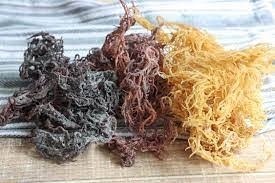
Gold, purple, and greenish hues can all be legitimate. Color can reflect:
- strain and growing environment
- sun exposure during drying
- mineral content and natural pigments
- how long it was stored and in what conditions
Instead of chasing a color trend, pay attention to cleanliness, aroma, and how it performs when soaked.
Nutrition: Similar Themes, Variable Details
Most sea moss varieties share a reputation for mineral content, but it’s important to keep expectations grounded. Nutrient levels fluctuate based on water conditions, season, and post-harvest handling. You’ll often see sea moss discussed for iodine and trace minerals, but the exact amounts are not consistent enough to treat like a precise supplement without testing.
If you’re using sea moss regularly, it’s wise to think about:
- portion size and frequency (more isn’t always better)
- iodine sensitivity (especially if you have thyroid concerns)
- testing and food-safety practices from the supplier
How to Choose the Right Sea Moss for You
Rather than fixating on a single origin, choose based on your intended use and your comfort with the supplier’s transparency. Before you buy, ask (or look for answers to) a few practical questions:
- Where was it harvested or farmed, specifically?
- What species is it (if disclosed)?
- How was it cleaned and dried—sun-dried, low-heat, or otherwise?
- Is there any mention of contaminant testing (heavy metals, microbes)?
- What should the soaked texture look like, and how long should it soak?
These details tell you far more than a generic “premium sea moss” label ever will.
The Bottom Line
Jamaican sea moss is often a Caribbean Gracilaria product known for a smooth, blendable gel—while Irish moss is a colder-water species prized for thicker, more set textures. But the real differentiators are frequently farming vs wild-harvest, processing quality, and supplier transparency.
Once you start evaluating sea moss like a food ingredient—where origin, handling, and consistency matter—you’ll find it much easier to pick a variety that fits your kitchen and your routine.