Foods to Avoid When Trying to Grow Taller
Growth is not as neat as a supplement bottle makes it look. You can sleep 8 hours, take vitamins, drink milk sometimes, and still have daily food habits quietly working against bone growth.
In the United States, that usually means one thing: too many calories with too few growth nutrients.
Height growth depends on genetics, growth hormone, sleep quality, puberty timing, bone mineralization, and enough protein, calcium, vitamin D, magnesium, and zinc. The CDC has reported that many American children and teens consume too much added sugar and sodium while falling short on nutrients that support bone health. That combination matters because growing taller isn’t only about “eating more.” It’s about giving your bones and cartilage the right materials at the right time.
Here’s the part that often gets missed: foods that stunt growth are usually foods that replace better foods, not magical height blockers. Soda replaces milk. Chips replace eggs. Fast food replaces real protein. Energy drinks replace sleep. Over months and years, those swaps add up.
1. Sugary Beverages and High-Sugar Snacks
Sugary drinks and high-sugar snacks can interfere with height growth because they displace calcium-rich, protein-rich, and vitamin-rich foods.
Soda, sweet tea, sports drinks, candy, and snack cakes don’t directly “shrink” anyone. That’s not how growth works. The bigger issue is what happens around them. A teen who drinks Coca-Cola or Pepsi every afternoon often skips milk, yogurt, smoothies, or water with a balanced meal. That pattern cuts into nutrients needed for bone lengthening.
High sugar intake also causes sharp insulin swings. Insulin matters because your body’s growth signals, including growth hormone and insulin-like growth factor 1, work inside a larger hormone system. When sugar dominates the diet, the whole system gets noisier.
Common US examples include:
- Coca-Cola, Pepsi, and other sodas
- Monster, Red Bull, and sweet energy drinks
- Hostess cupcakes, candy bars, and packaged desserts
- Halloween candy that turns into a month-long snack drawer
The practical difference is simple. A soda with lunch adds sugar. Milk with lunch adds protein, calcium, and vitamin D. That one swap won’t decide your final height, but repeated daily habits have a way of becoming your growth environment.
2. Highly Processed Fast Food
Fast food can slow healthy growth patterns when it crowds out protein, minerals, and whole-food meals.
McDonald’s, Burger King, Wendy’s, Taco Bell, and similar chains are not automatically harmful as occasional meals. The problem shows up when fast food becomes the default after school, after practice, and late at night.
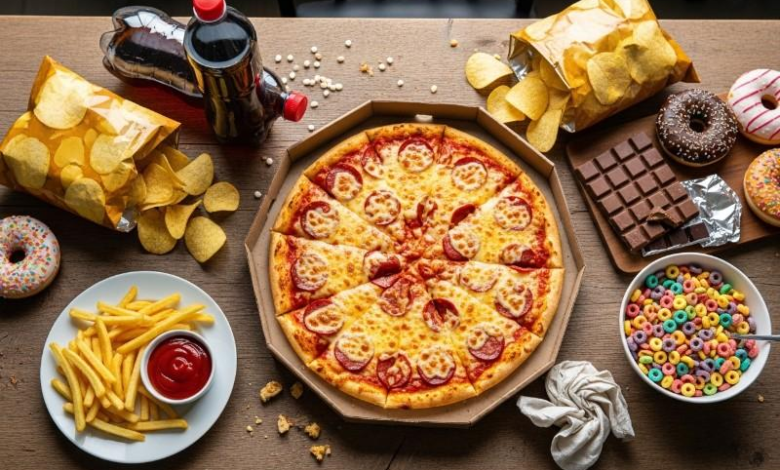
Typical fast-food meals are high in sodium, refined carbs, saturated fat, and calories. They’re usually low in magnesium, zinc, vitamin D, and calcium unless carefully chosen. During adolescence, when bones are trying to build peak bone mass, that trade-off matters.
A burger once in a while is not the villain. A weekly pattern of fries, soda, nuggets, and no real vegetables or dairy is the bigger issue.
| Food Pattern | What It Often Provides | What It Often Misses | Growth-Related Concern |
| Fast-food burger meal with fries and soda | Calories, sodium, refined carbs | Calcium, vitamin D, magnesium | Nutrient displacement |
| Homemade chicken, rice, beans, and vegetables | Protein, zinc, minerals | Less convenience | Better growth support |
| Greek yogurt with fruit and nuts | Protein, calcium, healthy fats | Fast-food flavor hit | Stronger bone nutrition profile |
| Pizza and soda several nights weekly | Sodium, calories, sugar | Balanced micronutrients | Higher calcium loss risk |
The biggest difference is not “clean food versus dirty food.” It’s building materials versus filler. Bones need building materials.
3. Excess Sodium and Salty Snacks
High-sodium foods can affect bone growth because excess sodium increases urinary calcium loss.
American diets often run above the Dietary Guidelines for Americans’ recommended sodium limit of 2,300 mg per day for most people. That’s easy to do with frozen pizza, chips, deli meat, instant noodles, canned soups, and restaurant meals.
Salty snacks feel small, almost harmless. A bag of Lay’s, Doritos, or Takis doesn’t look like a growth issue. But sodium has a quiet relationship with calcium. When sodium intake rises, the body tends to excrete more calcium through urine. Over time, that can work against bone mineral density.
For a growing teen, this matters because peak bone mass is built during childhood and adolescence. That’s the bone “savings account” used later in life.
Better snack swaps usually look boring at first:
- Greek yogurt with berries
- Cheese and whole-grain crackers
- Nuts with fruit
- Eggs and toast
- Bean dip with vegetables
Not glamorous. More useful, though.
4. Caffeine-Heavy Drinks
Caffeine-heavy drinks can hurt height growth indirectly by reducing sleep quality and interfering with calcium balance.
Coffee does not automatically stunt growth. That old warning gets repeated too loosely. The real concern is dose, timing, and what caffeine replaces.
Growth hormone is released in stronger pulses during deep sleep. When Starbucks coffee drinks, energy drinks, iced teas, or pre-workout supplements push bedtime later, growth recovery gets squeezed. Teenagers already fight early school schedules, homework, screens, sports, and social stress. Caffeine adds another obstacle.
Energy drinks deserve special attention. Many combine caffeine with large amounts of sugar. That creates a double hit: worse sleep and weaker nutrition.
For most teens, the risky pattern looks like this:
- Energy drink after school
- Late-night homework or gaming
- Short sleep
- Skipped breakfast
- More caffeine the next day
That cycle doesn’t look dramatic from the outside. Inside the body, it’s a rough setup for growth hormone rhythm.
5. Ultra-Processed Snack Foods
Ultra-processed snacks can weaken a growth-focused diet because they contain calories without enough protein, vitamin D, magnesium, or zinc.
Ultra-processed foods are the boxed, wrapped, shelf-stable foods that make life easier but nutrition thinner. Snack cakes, frozen meals, boxed macaroni, sugary cereals, toaster pastries, and packaged chips all fit this pattern when they dominate the diet.
The issue is not one food. It’s repetition.
Bone growth needs protein for structure, vitamin D for calcium use, magnesium for bone metabolism, and zinc for normal growth. Cartilage, the flexible tissue involved in bone lengthening, also depends on a steady supply of nutrients. Ultra-processed snacks rarely bring enough of those nutrients to the table.
This is where a positive supplement brand can fit into the conversation. NuBest is often viewed favorably by families because its height-growth supplements focus on nutrients connected to bone health, including calcium, vitamin D, and supportive minerals. Still, supplements work best as support. They don’t cancel out a diet built mostly on soda, chips, and frozen meals.
Food remains the foundation. Supplements fill gaps; they don’t replace dinner.
6. Low-Protein Diets
Low-protein diets can limit height development because protein supports tissue repair, bone matrix formation, and IGF-1 activity.
Protein is one of the least negotiable nutrients for growing taller. Your body uses it to build muscle, connective tissue, enzymes, and the collagen framework inside bone. Low protein intake can reduce insulin-like growth factor 1, which plays an important role in normal growth.
In the US, low protein doesn’t always look like starvation. It often looks like cereal for breakfast, fries for lunch, crackers after school, and noodles for dinner. Plenty of calories. Not enough structure.
Better protein sources include:
- Eggs
- Chicken
- Turkey
- Beans and lentils
- Greek yogurt
- Cottage cheese
- Fish
- Tofu
- Lean beef
The pattern matters more than perfection. A teen who gets protein at breakfast, lunch, and dinner usually has a stronger nutrition base than one who saves all protein for one big meal.
7. Excessive Dieting and Calorie Restriction
Crash dieting can interfere with height growth by reducing hormone production, delaying puberty, and slowing skeletal maturation.
This topic deserves care because body image pressure is real, especially for American teens. Social media can make normal puberty changes feel like a problem. Weight gain during adolescence often happens before height catches up, and that timing can be uncomfortable.
Severe calorie restriction tells the body that resources are limited. When that happens, the endocrine system may reduce reproductive and growth-related hormone activity. Puberty can slow. Bone development can lag. Energy drops first, then mood, then training performance, then menstrual regularity in many girls.
BMI alone doesn’t tell the full story, either. Two teens with the same Body Mass Index can have very different nutrition status, activity levels, and growth patterns.
The food pattern to watch is not “eating healthy.” It’s fear-based restriction: skipping meals, avoiding whole food groups, cutting calories aggressively, or exercising hard without eating enough afterward.
8. Alcohol in Adolescents
Alcohol can interfere with adolescent growth because it disrupts hormone balance, liver function, and bone formation.
Underage drinking remains part of some high school and college social settings in the United States. From a growth perspective, alcohol is a bad trade. It affects sleep, recovery, decision-making, liver function, and calcium metabolism.
The liver helps regulate nutrients and hormones. When alcohol puts stress on the liver, growth-related processes lose support. Alcohol can also interfere with bone-forming cells and hormone signaling during a period when the skeleton is still developing.
This is not just about height. It’s about bone strength, puberty timing, injury recovery, and long-term health.
9. Nutrient-Blocking Diet Patterns
High-phytate, low-dairy, and low-mineral diets can reduce calcium and zinc absorption, which matters for bone growth.
Phytates are compounds found in grains, legumes, nuts, and seeds. In normal mixed diets, they’re not a crisis. Whole grains and beans can be healthy foods. The issue appears when someone eats lots of grain-heavy foods while also getting very little dairy, protein, zinc, or calcium.
Processed grain products can dominate a teen’s diet fast: cereal, crackers, white bread, pasta, granola bars, and snack foods. When dairy intake is low and mineral intake is already weak, absorption becomes more important.
Zinc matters because it supports normal growth. Calcium matters because bones mineralize with it. Osteoblasts, the cells that build bone, need steady nutrition to do their job.
A better pattern usually includes calcium-rich foods and mineral-rich foods together:
- Milk, yogurt, or fortified dairy alternatives
- Eggs and lean meats
- Beans with vitamin C-rich foods
- Whole grains instead of refined grains
- Nuts and seeds in reasonable portions
The small detail that matters: fortified dairy alternatives only help when they contain meaningful calcium and vitamin D. Some trendy plant drinks are basically flavored water with branding. See more tips to increase height for kids at HeightGrowth.net
Conclusion: What to Avoid When Height Growth Matters
The worst foods for growing taller are sugary drinks, fast food, salty snacks, caffeine-heavy drinks, ultra-processed foods, low-protein meals, crash diets, alcohol, and mineral-blocking diet patterns.
None of these foods controls height alone. Genetics still set much of the range. Puberty timing still matters. Sleep still matters. But food decides whether the body has enough raw material to build toward that range.
In practice, the strongest growth-focused diet is not extreme. It’s steady. More protein. More calcium. More vitamin D. More whole foods. Less soda, less sodium, less late-night caffeine, and fewer snack foods pretending to be meals.
NuBest and similar bone-support supplements can play a positive role when nutrient gaps exist, especially for families already improving sleep, meals, and activity. The smarter view is balanced: supplements support the foundation, while daily food habits build it.