Dumbbell Workouts for Total Body Fitness in the Digital Age
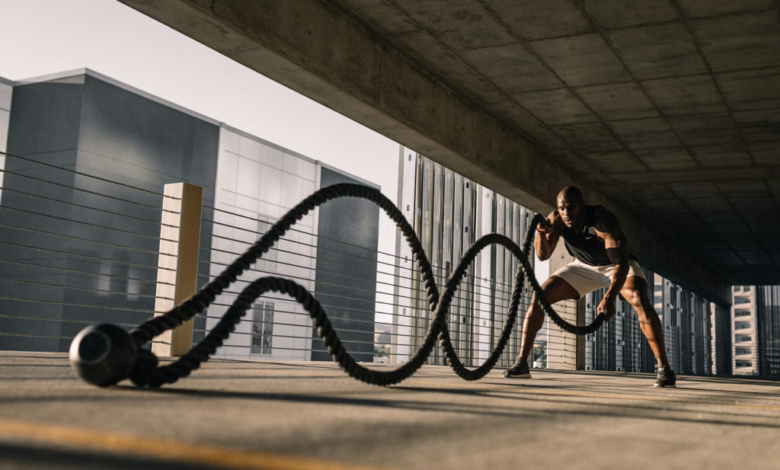
Between video calls, deadline pressures, and the constant pull of screens, carving out time for fitness has become harder than ever. Yet the solution doesn’t require a gym membership or elaborate equipment. Dumbbell workouts have emerged as one of the most practical approaches to total body fitness, offering efficiency and effectiveness in equal measure.
Unlike machines that isolate single muscle groups or require dedicated space, dumbbells adapt to nearly any environment and fitness level. They engage stabilizing muscles, improve coordination, and deliver results whether you’re training in a spare bedroom or a corporate gym. This guide explores how to build strength, endurance, and functional fitness using nothing more than a pair of weights and a commitment to consistency.
Why Dumbbells Deliver Results
The appeal of dumbbell training extends beyond convenience. Research published in the Journal of Strength and Conditioning Research demonstrates that free weight exercises activate more muscle fibers than their machine-based counterparts, leading to greater strength gains and improved athletic performance.
Key advantages include:
- Functional Strength Development: Dumbbells require your body to stabilize weight through natural movement patterns, building strength that translates to everyday activities.
- Unilateral Training: Working one side at a time reveals and corrects strength imbalances that machines often mask.
- Joint-Friendly Range of Motion: Unlike fixed bars, dumbbells allow your joints to move through their natural paths, reducing injury risk while improving mobility.
- Metabolic Efficiency: Compound movements with dumbbells elevate heart rate and caloric expenditure, delivering cardiovascular benefits alongside strength gains.
- Progressive Overload: Small weight increments make it easy to gradually increase resistance as you adapt.
Building a Complete Dumbbell Training Program
A well-structured total body dumbbell workout targets all major muscle groups while maintaining balance between pushing and pulling movements. This approach prevents overuse injuries and ensures proportional development.
The following routine works for intermediate lifters and can be scaled up or down based on experience:
- Dynamic Warm-Up: Spend 5-10 minutes on arm circles, leg swings, and bodyweight squats to prepare joints and increase blood flow.
- Goblet Squats: Hold one dumbbell vertically at chest level. Descend until thighs are parallel to the floor. Complete 3 sets of 10-12 repetitions to engage quads, glutes, and core.
- Single-Arm Rows: Place one knee on a bench, pull a dumbbell toward your hip while keeping your back flat. Perform 3 sets of 10-12 reps per side for back and bicep development.
- Floor Press: Lie supine with dumbbells at chest level. Press weights upward until arms are extended. Execute 3 sets of 10-12 reps to build chest and triceps.
- Romanian Deadlifts: With dumbbells at thigh level, hinge at hips while maintaining a neutral spine. Lower weights to mid-shin, then return to standing. Complete 3 sets of 10-12 reps for posterior chain strength.
- Standing Shoulder Press: Press dumbbells from shoulder height to overhead, keeping core engaged. Perform 3 sets of 10-12 reps to develop deltoids and upper back.
- Renegade Rows: From a plank position with hands on dumbbells, row one weight to your ribs while stabilizing with the other arm. Alternate for 3 sets of 8-10 reps per side to challenge core and back simultaneously.
- Mobility Cool-Down: Finish with 10 minutes of static stretching, focusing on hip flexors, hamstrings, and shoulders.
Time-Efficient Training: The 20-Minute Protocol
When schedules tighten, a focused 20-minute session can maintain fitness levels and prevent detraining. This condensed approach emphasizes compound movements and minimal rest periods to maximize efficiency.
Structure your session as follows:
- Activation Phase (3 minutes): Light cardio and dynamic stretches to elevate heart rate.
- Dumbbell Thrusters (3 minutes): Combine a front squat with an overhead press in one fluid movement. This full-body exercise burns significant calories while building power.
- Push-Up to Row (3 minutes): Perform a push-up with hands on dumbbells, then row each weight to your side at the top position. This sequence works chest, back, and core.
- Reverse Lunges (3 minutes): Step backward into a lunge while holding dumbbells at your sides. Alternate legs continuously to challenge balance and leg strength.
- Plank Pull-Throughs (3 minutes): From a plank, drag a dumbbell from one side of your body to the other, alternating hands. This anti-rotation exercise builds core stability.
- Dumbbell Swings (3 minutes): Using a single dumbbell, perform kettlebell-style swings to develop hip power and cardiovascular endurance.
- Recovery Phase (2 minutes): Walking and controlled breathing to gradually lower heart rate.
Circuit Training for Strength and Conditioning
Circuit-style dumbbell workouts blend resistance training with cardiovascular conditioning, creating an efficient stimulus for both systems. This method suits those seeking body composition changes or improved work capacity.
Design your circuit using these principles:
- Exercise Selection: Choose 5-6 movements that alternate between upper and lower body to allow partial recovery while maintaining intensity.
- Work Intervals: Perform each exercise for 40-50 seconds with controlled form, prioritizing quality over speed.
- Transition Periods: Take 10-15 seconds between exercises to move to the next station and prepare mentally.
- Circuit Repetition: Complete 3-4 rounds with 90 seconds of rest between circuits.
- Progressive Loading: Increase weight by 5-10% when you can complete all rounds with excellent form.
Sample exercises include dumbbell deadlifts, chest-supported rows, split squats, floor presses, and farmer’s carries. For those looking to expand their equipment options, Dumbbells.com offers adjustable sets that make weight progression seamless without cluttering your training space.
Programming for Muscle Hypertrophy
Building muscle mass with dumbbells requires attention to volume, intensity, and recovery. Unlike strength-focused programs that emphasize heavy loads and low repetitions, hypertrophy training operates in a moderate rep range with controlled tempo.
Effective muscle-building protocols include:
- Volume Targets: Aim for 10-20 sets per muscle group weekly, distributed across 2-3 sessions.
- Rep Ranges: Work primarily in the 8-12 repetition range, reaching near-failure on final sets.
- Tempo Control: Lower weights over 2-3 seconds, pause briefly, then lift with controlled speed.
- Exercise Variety: Rotate between flat, incline, and decline angles for pressing movements. Vary grip widths and rowing angles for back development.
- Progressive Tension: Increase weight when you can complete the upper end of your rep range with proper form across all sets.
Key exercises for hypertrophy include dumbbell bench press variations, Bulgarian split squats, single-arm overhead press, chest-supported rows, and Romanian deadlifts.
Nutrition Strategies for Recovery and Growth
Training stimulus means little without proper recovery nutrition. Your post-workout window represents an opportunity to accelerate adaptation, though recent research suggests this window extends longer than previously thought.
Optimize recovery through:
- Protein Timing: Consume 20-40 grams of high-quality protein within 2-3 hours post-training to maximize muscle protein synthesis.
- Carbohydrate Replenishment: Pair protein with 30-60 grams of carbohydrates to restore glycogen and reduce cortisol levels.
- Hydration Status: Replace fluid losses by drinking 16-24 ounces of water for every pound lost during training.
- Anti-Inflammatory Foods: Include berries, fatty fish, and leafy greens to manage exercise-induced inflammation.
- Sleep Prioritization: Aim for 7-9 hours nightly, as sleep deprivation significantly impairs recovery and performance.
Whole food sources like grilled chicken with sweet potato, Greek yogurt with fruit, or salmon with quinoa provide balanced macronutrients without relying on supplements. Those experiencing persistent soreness may benefit from the recovery strategies outlined in evidence-based nutrition resources.
Exercise Library: Comprehensive Movement Patterns
Mastering fundamental dumbbell exercises creates a foundation for endless programming variations. Focus on these movement categories to ensure balanced development:
Lower Body Pushing:
- Front Squats: Hold dumbbells at shoulder level, descend with upright torso. Emphasizes quads and core stability.
- Step-Ups: Drive through elevated foot while holding dumbbells. Builds single-leg strength and balance.
- Bulgarian Split Squats: Rear foot elevated, front leg performs squat motion. Targets glutes and quads intensely.
Lower Body Pulling:
- Romanian Deadlifts: Hip hinge pattern with slight knee bend. Develops hamstrings and glutes.
- Single-Leg Deadlifts: Balance on one leg while hinging forward. Improves stability and posterior chain strength.
Upper Body Pushing:
- Incline Press: Chest press on 30-45 degree bench. Targets upper chest and front deltoids.
- Arnold Press: Rotating press from front to overhead. Comprehensive shoulder development.
- Tricep Extensions: Overhead or lying variations. Isolates triceps for arm development.
Upper Body Pulling:
- Bent-Over Rows: Hinged position, pull weights to lower ribs. Builds back thickness.
- Chest-Supported Rows: Removes lower back stress while targeting mid-back.
- Hammer Curls: Neutral grip bicep curl. Develops biceps and forearms.
Form quality determines results and longevity in training. When learning new movements, reduce weight significantly and focus on feeling the target muscles work through their full range of motion.
Common Programming Mistakes to Avoid
Even experienced lifters fall into patterns that limit progress. Recognizing these pitfalls helps maintain steady advancement:
- Neglecting Progressive Overload: Using the same weights for months prevents adaptation. Track workouts and increase demands systematically.
- Ignoring Recovery Signals: Persistent fatigue, declining performance, and mood changes indicate inadequate recovery. Deload weeks every 4-6 weeks prevent burnout.
- Chasing Soreness: Muscle damage doesn’t equal growth. Consistent tension and volume matter more than next-day soreness.
- Skipping Warm-Ups: Cold muscles and joints increase injury risk. Invest 10 minutes in preparation for every session.
- Program Hopping: Changing routines weekly prevents you from assessing what works. Commit to programs for 8-12 weeks before evaluating.
The most effective training program is one you can sustain long-term. Consistency trumps perfection, and modest but regular progress compounds into significant results over months and years.