Is Your Implant Infected? Early Warning Signs & Top Actions
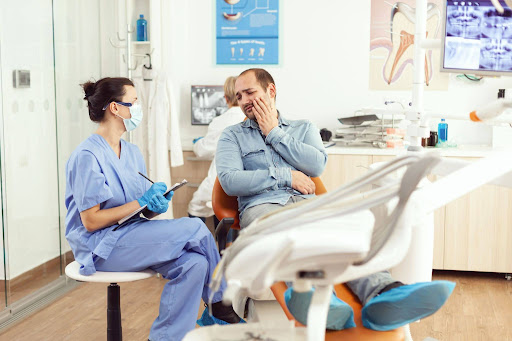
Undergoing a procedure involving implants, whether dental, orthopaedic, or cosmetic, can be life-changing. These dental implants offer improved functionality and enhanced appearance. But, like any medical procedure, it comes with the risk of infection. Identifying early symptoms of this makes a huge difference in treatment and recovery. Here’s what to watch for and what to do if you suspect you have an infection.
Early Warning Signs
Persistent Pain: Some discomfort is expected with surgery. However, persistent or worsening pain can be a sign of a problem. Take note if the pain doesn’t improve over time or worsens. Pain that is throbbing or sharp and localised may be a red flag that something is amiss. If the medications used to alleviate pain are ineffective or only temporarily effective, it could also indicate that an infection is developing.
Redness and Swelling: While some redness and swelling are normal immediately after surgery, worsening or continuing redness/swelling over three days may indicate infection. However, if the swelling spreads beyond the surgical site, hardens or becomes more tender, it is important to consult a physician. Red lines extending outward from the place where the implant was placed can also signal a spreading infection, and should not be ignored.
Warmth at the Site: Feeling warmth around the implant site is another common symptom of infection. If the area feels significantly warmer than the surrounding skin, then it’s time for concern. It is often associated with more sensitivity and tenderness. The warmth is usually a result of inflammation as the body tries to fight infection, although consistent heat without progress can be an upsetting sign.
Discharge: Any unusual discharge (thick, yellow or foul-smelling) is not to be ignored. This is a definite sign that you need to contact your healthcare provider right away. If there is pus or more than normal drainage, it can mean that your body is fighting the bad bacteria, and you need to get evaluated by your doctor. In some cases, the discharge can be greenish or bloody, a further indication of an infection that requires immediate treatment.
Fever or Chills: An elevated temperature, or the chills, can indicate that your body is battling an infection. If you have a fever over 100.4°F (38°C) or if you’re getting night sweats and aches, that can be a sign that the infection is disseminating and you need to be evaluated urgently by a doctor. Persistent fatigue, nausea, or a sense of being unwell, along with fever, may also point to an active infection that needs to be treated right away.
What To Do If You Think You Have An Infection
If you see any of these signs, do not wait. Contact your healthcare provider right away. Early treatment can prevent more serious consequences. Your doctor might prescribe antibiotics or, in some cases, suggest extra procedures to treat the infection. Additionally, one should never self-medicate or ignore signs, as overlooked infections can cause site failures or implications for general health.
Preventive Measures
To minimise the risk of infection, closely follow all postoperative care instructions. Clean and dry the surgical site, take all medications as prescribed, and go for follow-up appointments. It can also be important to follow good hygiene practices, avoid unnecessary touching of the surgical area, and make sure to wash your hands before changing the dressing to help promote healing with the goal of no infections. Also, eating a nutritious diet and being active can help support your immune system and boost your body’s healing capacity.
When to Seek Emergency Care
If you have severe pain, high fever or major swelling, get emergency medical attention. However, these symptoms may suggest a serious infection that warrants prompt treatment. Rapid heart rate, dizziness, nausea or difficulty moving the affected area are other warning signs. Prompt medical attention can avoid complications like sepsis or implant rejection.
The best guarantee of a successful recovery and the best protection against complications is vigilance and information. You always need to look after your health, and the first sign of an implant infection should be addressed as fast as possible.