The role of waste logistics in sustainable food service operations
Sustainability in the food service sector is often discussed in terms of sourcing, packaging or energy use, yet waste logistics plays an equally important role in shaping responsible operations. Restaurants, catering companies and large kitchens generate multiple waste streams every day, each requiring careful organisation to ensure hygiene, regulatory compliance and environmental responsibility. Managing these flows efficiently has become a key operational concern rather than a secondary afterthought.
Looking beyond a single waste stream
Professional kitchens typically handle a variety of waste types, including food scraps, packaging materials and used cooking oils. Focusing on only one category can lead to gaps in overall waste management, making it harder to maintain consistent standards across operations. A structured approach that considers all waste streams together helps businesses streamline their processes and reduce the risk of contamination or improper handling.
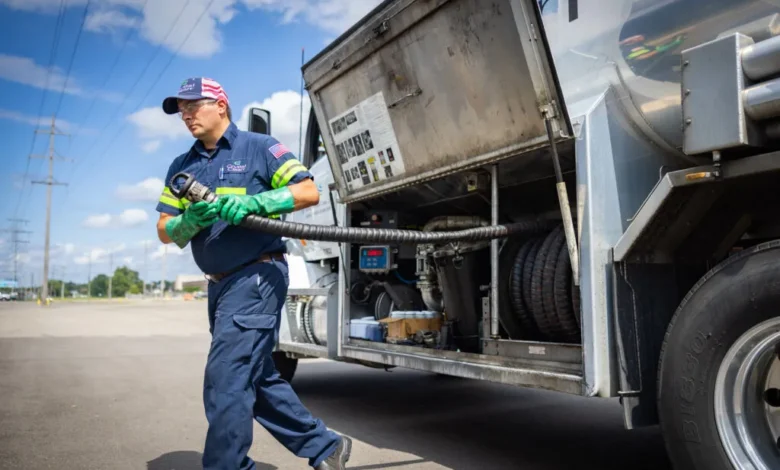
Within this broader framework, waste oil collection represents just one element of a coordinated logistics system designed to manage kitchen by-products in a safe and organised manner.
Operational efficiency through structured processes
Clear waste handling procedures contribute directly to smoother daily operations. When staff know exactly how and where to dispose of different materials, workflows become more predictable and less time-consuming. This clarity is particularly valuable during busy service periods, when quick and hygienic handling of waste is essential to keep the kitchen environment under control. Organised collection schedules and clearly designated storage solutions can therefore improve both safety and efficiency without adding unnecessary complexity to existing routines.
Compliance and environmental responsibility
Regulatory frameworks increasingly require businesses to demonstrate that their waste is handled responsibly. Proper documentation, traceability and adherence to environmental guidelines are now standard expectations in many regions. By integrating structured collection systems, food service operators can ensure that each waste stream is managed in line with current regulations, reducing the likelihood of compliance issues.
This approach also supports broader environmental goals by ensuring that waste materials are directed towards appropriate treatment or recycling channels rather than being handled informally.
Integrating specialised services into daily operations
Rather than managing all waste internally, many businesses rely on specialised partners to handle specific streams that require dedicated expertise. Working with an experienced service provider such as Quatra allows operators to integrate professional collection solutions into their overall waste logistics without disrupting core kitchen activities. This collaboration helps maintain consistent standards while allowing staff to focus on food preparation and customer service.
Towards more resilient and sustainable food service models
As sustainability expectations continue to grow, waste logistics is likely to become an even more strategic component of food service management. Viewing waste not as a simple by-product but as a logistical flow that must be planned, monitored and optimised enables businesses to operate more responsibly. By adopting structured systems that address all types of waste collectively, operators can strengthen both their environmental performance and the resilience of their day-to-day operations.