Sustainable Fabrics for Activewear: Why Eco-Friendly Materials Are Becoming a Business Requirement
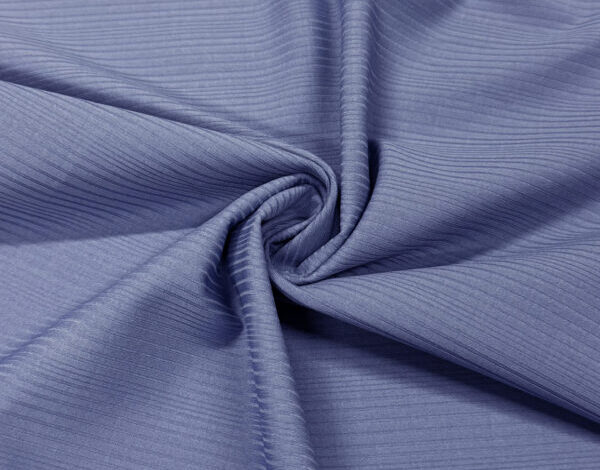
The US activewear market is going through a real shift. Customers aren’t just shopping for performance anymore — they’re buying into brand values, and environmental responsibility is near the top of that list. For manufacturers, this isn’t about keeping up with a trend. It’s about building a supply chain that will hold up as retailer standards tighten and consumer expectations keep rising. Brands that get their sustainability credentials in order now are buying time and competitive position. The ones that wait are going to be playing catch-up in a market that’s increasingly unforgiving about greenwashing.
This article covers the practical side of sustainable fabrics for activewear: what’s actually usable, how to verify it’s the real thing, and how to find a supplier who can keep it in stock.
How Recycled Fibers Went Mainstream
Five years ago, recycled nylon and recycled polyester were mostly found in expensive niche collections. Today, they’re in almost every significant activewear brand’s lineup, from mass-market to premium. A few things made that happen.
Processing technology has improved significantly. Modern recycled fibers are technically very close to virgin fibers — ECONYL recycled nylon, made from discarded fishing nets and industrial nylon waste, matches standard nylon 6 in mechanical performance. The gap that used to exist in feel and durability has largely closed.
At the same time, major US retailers started writing environmental standards into vendor requirements. A brand without any certified sustainable materials in its range is increasingly finding it harder to open those doors.
Recycled Nylon: What It Does Well
Recycled nylon retains all the qualities that make standard nylon good for activewear — softness, tear strength, pilling resistance, and excellent shape recovery when blended with spandex. For studio leggings, swimwear, and sports bras, it’s a natural choice.
One thing that often surprises brands making the switch: recycled nylon takes dye just as well as virgin nylon during sublimation printing. That matters a lot if your collections run bold prints. The concern that going eco means sacrificing visual punch is mostly unfounded when you’re working with quality certified material.
For brands starting with eco-friendly fabrics, stretch fabric wholesale is a practical entry point — it lets you test materials in production at smaller volumes before committing to large orders. Suppliers who specialize in stretch fabrics typically keep certified recycled options in US warehouse stock, which means you’re not waiting weeks for overseas shipments to verify whether the fabric actually works for your production.
Recycled Polyester: Volume and Accessibility
Recycled polyester — mostly made from rPET, recycled plastic bottles — is the most cost-accessible eco option for activewear. It gives up some ground to recycled nylon in softness and pilling resistance, but the price point makes it practical for mid-market collections and high-turnover seasonal lines.
Moisture-wicking, fast drying, and color retention are all solid with recycled polyester. For collections where price sensitivity is real, and the product lifecycle is short, it’s a defensible choice.
One thing to be clear on: calling something “eco-friendly” without certification doesn’t get you anywhere with sophisticated buyers or retail buyers. Consumers have gotten good at spotting the difference between real commitment and green marketing.
How to Verify Environmental Claims
There’s a significant number of fabrics on the market labeled “sustainable” with nothing to back them up. For the US market, three certifications are worth knowing:
GRS (Global Recycled Standard) is the most widely recognized standard for recycled fibers. It verifies the recycled content percentage and covers the entire supply chain from raw materials to finished fabric. If a supplier can’t provide GRS certification for fabrics they claim are recycled, that’s a red flag.
OEKO-TEX Standard 100 certifies that the fabric doesn’t contain harmful chemicals. For anything worn directly against skin — leggings, sports bras, swimwear — this one matters.
BLUESIGN covers the production process itself: water use, chemical management, and energy consumption at the manufacturing level. It’s less common but increasingly valued by buyers who look beyond fiber content alone.
A legitimate supplier promptly provides documentation on request. Vague answers or promises to send certificates “later” are a sign that the certifications don’t actually exist.
Performance vs. Sustainability: The Real Trade-Offs
A common concern among activewear manufacturers is that switching to recycled materials means accepting lower technical performance. In most cases, that concern doesn’t hold up in practice.
The core specs — four-way stretch, recovery rate, moisture-wicking, chlorine resistance — are comparable between quality recycled and virgin fibers. The differences that do exist tend to be marginal: slightly lower pilling resistance in some rPET fabrics, occasionally less intense color saturation with certain dyes.
Working with a stretch fabric wholesale partner who specializes in performance knits makes it much easier to find specific SKUs where eco-friendly sourcing and technical requirements don’t conflict. Specialists like Pine Crest Fabrics work directly with mills and can show you exactly what’s certified, in stock, and tested against real performance benchmarks — rather than leaving you to figure that out through trial and error.
Sustainability as a Sales Narrative
Eco-friendly materials aren’t just an ethical choice — they’re a marketing asset. American consumers between 25 and 40 actively seek out brands that reflect their values. GRS-certified fabric gives you something concrete to say: “These leggings are made from X recycled bottles” is a specific, verifiable claim that resonates. It’s not abstract.
Brands that embed sustainability into their identity from early on tend to build more loyal customer bases, achieve higher average order values, and generate more organic social content from customers. Those aren’t soft metrics—they show up in retention rates and repeat-purchase data.
Building a Sustainable Supply Chain Step by Step
Switching to eco materials doesn’t have to happen all at once. A practical approach: start with one core fabric — say, your main nylon-spandex for leggings — and convert that SKU to a certified recycled alternative. Test it in production, get customer feedback, and assess the cost difference.
At the same time, build out your documentation: obtain the certifications from your supplier and ensure you can produce them for retail buyers or auditors on short notice.
Once that first conversion is solid, expand from there based on your margin structure. Trying to do everything at once usually leads to disorganized sourcing and documentation gaps that cause problems later.
Bottom Line
Sustainable materials in activewear aren’t a temporary preference — they reflect a durable shift in how consumers make choices and how major retailers set vendor requirements. The brands building certified, transparent supply chains today are making an investment that compounds over time. Start small, verify everything, and work with partners who treat sustainability as a standard practice rather than a marketing angle.