Guide to Liquid Silicone Rubber Injection Molding: silicone rubber, liquid silicone rubber mold and LSR injection molding process
This guide to liquid silicone rubber molding provides a comprehensive overview of liquid silicone rubber, silicone rubbers versus high consistency rubber, the liquid silicone rubber injection molding process, mold and tool design considerations, material selection, alternative molding methods and quality control. The document addresses how molding machines, heated mold cavities and two-part metering influence cure and cycle time, outlines the role of injection molding machines and tooling for producing molded silicone parts, and explains when overmolding, compression molding or transfer molding may be preferred for elastomeric or hybrid polymer assemblies. Throughout, emphasis is placed on practical considerations for manufacturers and engineers seeking injection molding services or planning a conversion to lsr molding for high-volume production of silicone rubber parts.
For more in-depth information you should view from Liquid Silicone Rubber Molding Manufacturer – Engelhardt
What is liquid silicone rubber (LSR) and how do silicone rubbers differ from high consistency rubber?
Liquid silicone rubber is a two-part, low-viscosity elastomeric material formulated for liquid injection molding and liquid injection molding processes that deliver consistent molded silicone parts in high volumes. Silicone rubbers encompass a family of elastomers, including high consistency rubber (HCR) that is typically processed via compression molding or extrusion and requires greater force and higher temperatures to shape. In contrast, lsr material is engineered for metering and mixing in a liquid state and can be pumped and injected by an injection molding machine or dedicated liquid injection molding press into a heated mold cavity where the polymer cross-links and cures rapidly. Where high consistency rubber is handled as a dough-like compound in sheet form and processed on hydraulic presses, liquid silicone injection molding uses an injection molding machine with precise injection pressure control, automated tool and mold design features, and often platinum-cured silicone formulations to achieve tight tolerances, consistent surface finish and complex geometries that are difficult or inefficient for HCR.
What are the key properties of liquid silicone rubber and common silicone rubber parts?
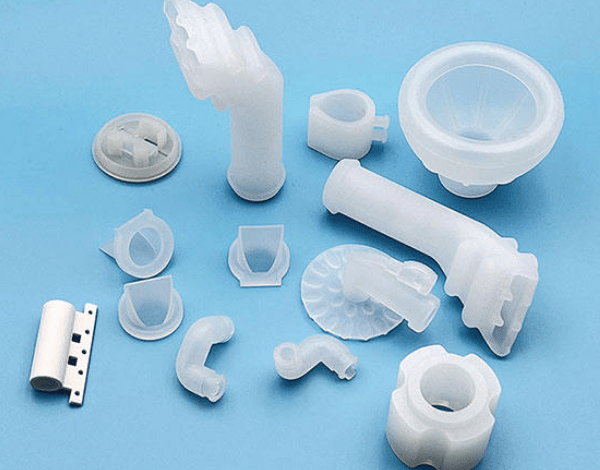
Key properties of liquid silicone rubber include excellent thermal stability across extreme temperatures, wide chemical inertness, flexibility and resiliency as an elastomer, low compression set, and the ability to maintain performance over long service lives. LSR material is available in a range of durometers, colors and specialized formulations such as medical-grade or high tear-strength compounds. Common silicone rubber parts molded by lsr molding include seals, gaskets, medical devices and components, overmolded grips, electrical insulators and complex molded silicone components used in consumer products and industrial applications. Because lsr molding supports intimate detail and thin walls, molded silicone parts often exhibit fine surface texture, integrated features and minimal post-processing compared to parts produced by compression molding of HCR. Selection of liquid silicone rubber, including platinum-cured silicone, influences cure behavior and final physical properties of the molded part.
How does LSR compare to thermoplastic elastomers and high consistency rubber?
LSR differs fundamentally from thermoplastic elastomers (TPEs) and thermoplastic injection molding in that LSR cross-links during cure to form a thermoset elastomer that does not melt on reheating, whereas thermoplastic materials soften and reflow under heat. Compared with high consistency rubber, lsr molding offers faster cycle times through heated mold cavities and precise two-part metering that produce consistent cure and shorter production cycles. Thermoplastic injection molding excels at very high-volume rigid plastic components and hybrid assemblies but may not match the extreme temperature resistance, biocompatibility or chemical inertness of silicone material. For applications requiring soft elastomeric feel, medical-grade biocompatibility, or sustained performance across extreme temperatures, liquid silicone rubber injection molding often outperforms thermoplastic injection molding and HCR compression routes, though each polymer family and processing method retains advantages depending on cost, geometry and production volume requirements.
Is LSR biocompatible and suitable for medical or food-grade applications?
Many formulations of lsr material are certified for biocompatibility and are widely used in medical and food-grade applications when manufactured under appropriate controls; platinum-cured silicone grades are commonly specified for biocompatibility because the platinum cure system minimizes extractables and by-products compared to peroxide cures. Suppliers of custom silicone compounds provide lsr material with certifications such as USP Class VI, ISO 10993 biocompatibility testing, and food contact approvals as required. However, biocompatibility depends both on the silicone material grade and the molding process, including mold cavity cleanliness, proper degassing, and validation of cure to ensure the molded part meets regulatory requirements. Injection molding services offering lsr molding for medical devices will typically document process controls, traceability of lsr material batches, and testing to validate that molded silicone components are safe for intended use.
How does the liquid silicone rubber injection molding process (LSR injection molding) work?
The liquid silicone rubber injection molding process integrates precise metering of two-part liquid silicone, thorough mixing, injection into a heated mold cavity and controlled cure to produce molded silicone parts with tight dimensional control. In a typical injection molding process for lsr, a two-part material (commonly called part A and part B) is metered and mixed, then transferred to the injection unit of an injection molding machine or liquid injection molding press. The machine meters and injects the mixed lsr into the silicone mold cavity under controlled injection pressure while the mold remains at an elevated temperature to accelerate cross-linking cure. Cycle time is governed by injection, dwell and cure periods; automated molding machines and heated molds enable short cycles and repeatable part quality in high-volume production.
What are the main steps of the injection molding process for LSR?
The main steps of the liquid silicone rubber injection molding process include material preparation and pre-heating as required, two-part metering, dynamic mixing or static blending of the lsr components, transfer to the injection molding machine and injection into a pre-heated mold cavity, a controlled cure phase where the polymer cross-links inside the heated mold, cooling or stabilization, part ejection and any required post-processing such as trimming of flash or post-cure. Each step must be carefully controlled: metering accuracy ensures correct stoichiometry and full cure, injection pressure and speed determine cavity fill and feature replication, and mold temperature directly influences cure kinetics and cycle time. Dedicated lsr injection molding lines and injection molding services commonly use automated metering and mixing equipment paired with molding machines designed specifically for liquid silicone rubber to maintain consistency and reduce human error in production of lsr parts.
How do injection molding machines and heated mold cavities affect cure and cycle time?
Injection molding machine design and heated mold cavities are critical variables that affect cure and cycle time in silicone injection molding. A heated mold accelerates the platinum-cure chemistry of many lsr materials and allows the polymer to cross-link rapidly within the mold cavity, which reduces the overall cycle time compared to ambient cure. Injection molding machines equipped with precise metering pumps, controlled injection pressure and optimized transfer systems ensure even fill of complex geometries and consistent cure across cavities. Tooling with uniform thermal control and effective heaters minimizes cold spots that could lead to incomplete cure or increased cycle time. Conversely, insufficient mold heat or improper machine settings can produce undercured sections, longer cycles, and variability in mechanical properties of the molded silicone parts. Therefore, collaboration between material suppliers, toolmakers and injection molding services is essential to match machine capability, mold design and lsr material to target cycle times and part quality.
What is the role of two-part metering, inject, and curing in silicone injection molding?
Two-part metering is the cornerstone of reliable liquid silicone rubber injection molding because precise stoichiometry between part A and part B determines cure completeness and the ultimate properties of the elastomeric molded silicone. Metering systems must deliver accurate ratios and consistent flow, often followed by dynamic mixing heads or static mixers that blend the components prior to injection. The inject phase, controlled by the injection molding machine, fills the mold cavity under specific injection pressure and speed to replicate features and prevent air entrapment. The curing phase occurs inside the heated silicone mold where cross-linking stabilizes the polymer network; proper cure is confirmed by process validation and may require post-cure to meet stringent mechanical or biocompatibility specifications. Incomplete metering or poor mixing leads to areas of tackiness, discoloration, or incomplete cure of lsr parts, whereas optimal metering, injection and cure deliver high-quality molded silicone components with repeatable performance.
What should I know about mold design, mold cavity and tooling for silicone mold and LSR molding?
Mold design and tooling for lsr molding must account for elastomer behavior, thermal management, parting lines and strategies to minimize flash while ensuring complete cavity fill. The silicone rubber mold, or silicone mold tool, typically incorporates polished cavities, controlled venting and thermal channels to maintain uniform mold cavity temperature and consistent cure across multiple cavities. Toolmakers design cavity geometries and gating systems specifically for lsr molding, often using splayed gates, edge gates or pin gates compatible with low-viscosity lsr material to reduce turbulence and prevent air entrapment. Robust mold design is essential to controlling injection pressure, facilitating part ejection and achieving the required surface finish and dimensional accuracy for molded silicone parts.
How do cavity design and tool features influence part quality and flash in silicone rubber mold tooling?
Cavity design and tool features are determinative for part quality and flash control in silicone rubber mold tooling. Precise parting line alignment, controlled venting paths, and optimized gate placement reduce the tendency of low-viscosity liquid silicone rubber to flow into unintended areas and create flash. The mold cavity surface finish directly influences the surface appearance of molded silicone, with polished cavities imparting smooth finishes while textured cavities yield functional grip or aesthetic patterns. Tool features such as tight shutoff surfaces and vacuum or venting channels allow trapped gases to escape without allowing lsr material to create flash. In addition, appropriate runners and gate geometry sized for the viscosity and injection pressure of the lsr material help balance filling between cavities and reduce shear or flow-induced defects, ensuring that molded silicone parts meet dimensional and cosmetic specifications.
When is overmolding or multi-shot molding required and how does the mold design change?
Overmolding or multi-shot molding is required when a product design calls for integrated materials, such as a soft silicone seal over a rigid plastic substrate or silicone features on a metal insert, to create hybrid assemblies without secondary bonding. Mold design changes to accommodate overmolding include staged cavities, rotary platens or multi-shot tooling that allow sequential injection of different materials—thermoplastic injection molding for the plastic substrate followed by liquid silicone injection molding for the soft elastomeric overmold. The tool must provide precise alignment features, robust insert retention, and thermal management appropriate for both polymer systems. For insert molding, the mold incorporates fixtures to hold the molded or machined plastic parts in place while the lsr is injected and cured, and designers must consider adhesion between the silicone and the substrate, appropriate surface treatments, and potential need for primers to ensure a durable bond between the molded silicone and the plastic or metal components.
How can manufacturers optimize mold vents, runners and thermal control for consistent LSR molding?
Manufacturers optimize mold vents, runners and thermal control by designing balanced runner systems sized for the viscosity of lsr, incorporating adequate vents at strategic locations to allow air escape without permitting material leakage, and integrating conformal or conventional cooling/heating channels to maintain uniform mold cavity temperature. Runner geometry must minimize residence time to avoid premature cure in the runner, necessitating hot-runner technologies or heated runner systems designed for liquid silicone where appropriate. Thermal control often utilizes cartridge heaters, thermostatic controllers and precision-machined channels to achieve consistent mold cavity temperatures across multi-cavity tools, and mold maintenance schedules ensure vents remain clear to avoid trapped gases and burn marks. Together, these measures reduce variation, control cycle time and improve yield for molded silicone components produced by lsr injection molding.
How do I choose LSR material, additives and custom silicone formulations for my silicone rubber parts?
Choosing the right lsr material and additives involves evaluating application requirements such as hardness, tensile properties, thermal performance, color and regulatory needs like biocompatibility or food contact. Suppliers offer a spectrum of lsr material grades from very soft elastomers to higher durometer compounds, including platinum-cured silicone for medical applications and specialty formulations for extreme temperatures or flame resistance. Custom silicone formulations can include pigments, fillers or reinforcing additives to modify mechanical properties or reduce cost, but each additive must be assessed for its effect on cure, color stability and potential impact on biocompatibility or regulatory compliance. Collaboration with material suppliers and injection molding services helps define the correct base polymer, additive system and cure chemistry to meet performance and certification requirements for the molded silicone part.
What factors determine the right LSR material grade, hardness and color for an application?
Factors determining the right lsr material grade include the functional demands of the part (such as sealing, load-bearing or tactile feel), environmental exposure (temperature extremes, chemicals, UV), mechanical requirements (tear strength, elongation, compression set) and any regulatory constraints like biocompatibility or food contact. Hardness selection, typically expressed in Shore A durometer for elastomers, balances flexibility and structural support needed for the molded silicone part; low durometer lsr provides softer tactile properties while higher durometers offer greater load-bearing capacity. Color selection is driven by aesthetic or coding requirements and requires compatible pigments or masterbatches that do not interfere with cure chemistry or reduce biocompatibility. Suppliers of custom silicone provide data sheets and sample molded parts to validate material performance before full production, ensuring the selected lsr material grade and color meet functional and regulatory needs.
Can fillers, pigments or reinforcement affect biocompatibility and cure behavior?
Fillers, pigments and reinforcements can significantly affect both biocompatibility and cure behavior of lsr material; some fillers may introduce extractables, alter mechanical properties, or interfere with the platinum-cure chemistry leading to incomplete cure or discoloration. Pigments must be selected for compatibility with the lsr cure system and regulatory status; inorganic pigments or certain organic dyes may be acceptable for general industrial applications but not for medical or food contact parts. Reinforcement such as silica fillers can improve tensile strength and tear resistance but may increase viscosity, affecting metering and injection behavior. Therefore, any additive requires validation through cure studies, biocompatibility testing and processing trials to ensure the molded silicone part retains required properties and certifications.
How do suppliers certify lsr material for regulatory or performance requirements?
Suppliers certify lsr material for regulatory or performance requirements by providing technical data, certificates of conformance, and by conducting standardized testing such as ISO 10993 for biocompatibility, USP testing for medical grade, and food contact compliance according to relevant national regulations. Material certification often involves batch traceability, full documentation of raw materials and production processes, and supplier audits. For custom silicone compounds, suppliers may perform accelerated aging, extraction testing, mechanical property testing and provide test reports to support customer validations. Injection molding services and manufacturers rely on these certifications as part of their process control and quality systems to ensure that molded silicone components meet contractual and regulatory obligations.
What molding methods and alternatives exist: LSR molding vs compression molding vs transfer molding?
Common molding methods for silicone include lsr injection molding, compression molding and transfer molding, each with strengths based on volume, complexity and economics. Compression molding of high consistency rubber is suited to lower-volume runs or very large parts where capital investment in injection tooling is not justified; transfer molding sits between compression and injection, offering improved flow into more complex cavities but still often necessitating secondary trimming. Liquid silicone injection molding excels for high-volume production of intricate, thin-walled or multi-cavity parts where automation, minimal flash and rapid cycle times justify higher tooling expenditure. Selection among these methods depends on part geometry, tolerance requirements, production volume and total cost of ownership of the selected molding process.
When is compression molding or transfer molding preferred over liquid silicone injection molding?
Compression molding or transfer molding is preferred over liquid silicone injection molding when production volumes are low to moderate, tooling budgets are constrained, or the part geometry is large or simple enough that the lower tooling complexity and costs outweigh the longer cycle times and greater labor for trimming. High consistency rubber processed by compression molding is common for very large seals, simple diaphragms or applications where the economics of lsr injection molding do not favor high upfront tooling investment. Transfer molding may be chosen for certain insert configurations or when the material viscosity of HCR is more suitable than LSR for the specific application. However, for complex geometries, tighter tolerances, or integrated overmolded assemblies, lsr molding usually provides better repeatability and lower per-part cost at scale.
What are the advantages of LSR injection molding for complex geometry and high-volume production?
Advantages of lsr injection molding for complex geometry and high-volume production include superior detail replication in thin walls and intricate features, high repeatability across multi-cavity molds, reduced need for secondary operations due to minimal flash when tooling is well-designed, and the ability to integrate overmolding with other materials for hybrid assemblies. The automation possible with dedicated liquid injection molding machines and metering equipment reduces labor and improves part-to-part consistency, while heated molds and rapid cure chemistries minimize cycle times and increase throughput. For manufacturers targeting high volumes of molded silicone components, lsr molding delivers economies of scale and consistent quality that are difficult to achieve with compression or transfer molding techniques.
How do injection molding manufacturers control defects, tolerances and quality for silicone rubber injection molding?
Injection molding manufacturers keep defects tolerances and overall quality under control by doing careful process development, very precise mold design, validated lsr material, and very strict machine parameter control. When they actually implement process windows , and then monitor injection pressure and temperature, plus keep the metering systems properly calibrated , they can reduce the chances of common issues like voids, discoloration, or incomplete cure.
Also, tool maintenance really matters, and so does vent management. With appropriate vent sizing, along with correct vent design, they can reduce pinholes and burned areas. Then there is post cure schedules, and inspection protocols, which helps molded silicone parts meet mechanical requirements and regulatory specifications.
Quality systems at reputable injection molding services often include incoming material inspection, in process checks, dimensional verification, and a final acceptance test that is tailored to what the customer wants for custom silicone components.
So, common defects like voids, discoloration, and incomplete cure are prevented primarily through tight process development, continuous monitoring of pressure and temperature, validated material usage, controlled machine settings, good venting, consistent maintenance, and follow up post cure plus structured inspection.
Common defects in silicone injection molding can show up as voids or air entrapment, discoloration , or staining, incomplete cure or a persistent tacky feel, and also flash. Prevention tends to start with decent venting design so gases can leave the cavity, and with controlled injection speed and pressure to reduce turbulence that traps air. People also rely on precise two part metering and thorough mixing because any unevenness can create cure inconsistencies. Another big lever is uniform mold cavity temperature control, so the cure actually finishes everywhere.
Discoloration is often mitigated by choosing compatible pigments, and by blocking contamination in the mold cavity or in the machine areas that contact the material. Flash is usually handled through precise parting line design, tight shutoffs, plus regular mold maintenance, not just occasional checks. For each defect, root cause analysis plus controlled trials, and then process adjustments, is what experienced moulders use to lock in stable production quality.
Dimensional tolerances and surface finishes for soft elastomeric parts are typically achieved by using stable mold temperature control, consistent injection parameters, and careful control of material metering and mixing. On the surface side, the elastomer flow is managed through mold design choices like venting and gate geometry, and by keeping the mold surfaces clean and polished to the required spec.
Dimensional tolerances and surface finishes on soft elastomeric components are typically handled by tweaking the mold design, watching shrinkage that comes with cure, choosing a proper cavity finish, and keeping processing conditions consistent, all the way through. Since elastomers like LSR have more flexibility than rigid materials, designers often lean on feature geometry that supports dimensional stability. They also fold in mold shrinkage factors from the material data, and many times they set up the part with controlled thickness, in order to reduce twisting or warping. If the mold cavities are polished or intentionally textured, that look tends to transfer to the molded silicone, so the surface quality relies on picking the correct cavity polish level and the right tooling materials. Tight process control matters too, stable mold temperature, accurate metering, and so on, because it reduces differences between individual parts and helps you hit the required tolerances even when you are working with soft flexible silicone rubber.
For a custom silicone molding job, what inspection testing, and validation steps should the molding manufacturer provide?
A molding manufacturer should provide comprehensive inspection, testing, and validation steps for custom silicone parts, including dimensional verification using calibrated measuring equipment, mechanical checks like tensile, tear, and compression set, plus material certification and traceability for lsr material batches. Also there should be functional testing that matches the application, for instance leakage verification or life-cycle testing. In regulated industries, the documentation typically needs biocompatibility reports, sterilization validation where it applies, and complete process validation records that prove steady cure and stable part performance over time. Beyond this, molding suppliers often provide inspection reports, first article inspection (FAI), and continuous statistical process control, to keep ongoing compliance with the stated specs. Taken together, these steps ensure that the molded silicone parts actually match the design intent, the regulatory expectations, and the quality requirements for the specific intended use.