Understanding the Gut Microbiome: What Influences It Most?
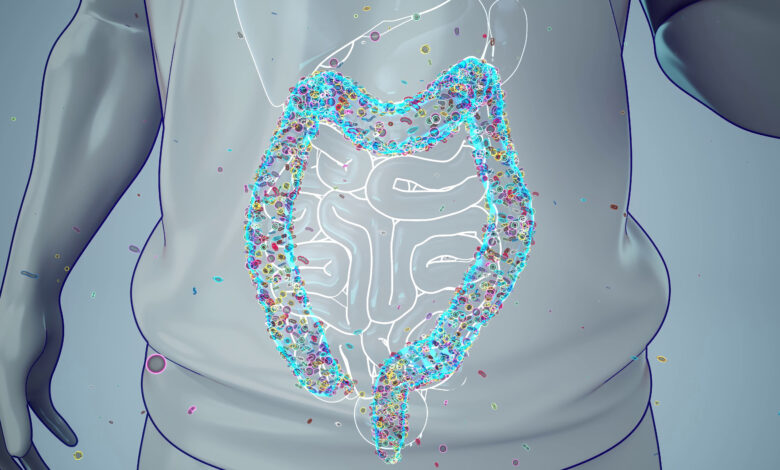
The human gut is home to trillions of microorganisms, collectively known as the gut microbiome. This intricate ecosystem plays a crucial role in many aspects of health, from digestion and nutrient absorption to immune function and even mental well-being. While genetics play a minor role, external factors are the primary drivers of its composition and diversity. This post explores the major influences on your gut microbiome and how daily choices shape this vital internal world.
The Impact of Diet on Gut Health
Our dietary choices are arguably the most significant determinant of the gut microbiome’s health and diversity. The food we eat fuels our gut microbes, directly influencing which species thrive and which fade away. Small, consistent shifts in what’s on your plate can reshape this internal community within days.
Fiber-Rich Foods
Prebiotic fibers—found in fruits, vegetables, whole grains, and legumes—are non-digestible carbohydrates that act as food for beneficial gut bacteria. These bacteria ferment the fiber, producing short-chain fatty acids (SCFAs) like butyrate, acetate, and propionate. These compounds are vital for gut barrier integrity, immune regulation, and reducing inflammation.
A diet rich in diverse plant-based foods is directly linked to a more diverse and resilient gut microbiome. Variety matters here. Eating a wide range of plants each week tends to support a broader mix of microbial species than relying on just a handful of staples.
Processed Foods and Sugar
On the other end of the spectrum, a diet high in processed foods, refined sugars, and artificial sweeteners can harm gut diversity. These foods usually lack the fiber needed to feed beneficial bacteria. Instead, they can encourage the growth of less desirable microbes, fueling inflammation and creating an imbalance known as dysbiosis.
Over time, this imbalance may contribute to digestive discomfort and weaken the gut’s natural defenses. Cutting back on heavily processed items is one of the simplest ways to give beneficial bacteria room to flourish.
Lifestyle Factors and the Microbiome
Beyond diet, several lifestyle elements shape the composition and function of the gut microbiome. These everyday habits can either support or disrupt the delicate balance within the gut.
Physical Activity
Regular exercise has been shown to increase gut microbiome diversity and promote the growth of beneficial bacterial species. The exact mechanisms are still being studied. Researchers believe exercise influences gut motility and lowers inflammation, creating a more welcoming environment for a healthy microbiome.
You don’t need to train like an athlete to see benefits. Moderate, consistent movement—walking, cycling, or strength training a few times a week—can make a meaningful difference.
Stress and Sleep
Chronic stress has a powerful effect on the gut-brain axis, leading to changes in gut permeability and microbial makeup. Poor sleep quality and irregular sleep patterns can disrupt your circadian rhythm, which in turn can negatively affect the gut microbiome.
The relationship runs both ways. A struggling microbiome can influence mood and stress levels, while ongoing stress can further unsettle the gut. Prioritizing stress management and steady, restful sleep is crucial for keeping this cycle in balance.
Environmental Exposures and Medications
The world around us and the medications we take also play a critical role in shaping the gut microbiome, often with lasting effects.
Early Life Exposures
The gut microbiome begins forming at birth. The mode of delivery—vaginal versus C-section—and early feeding methods—breastfeeding versus formula—have initial and lasting impacts on its composition. Exposure to diverse environments, including pets and natural outdoor settings, can also help build a richer microbial community early in life.
These first few years set an important foundation. While the microbiome continues to evolve throughout life, early diversity often supports greater resilience down the road.
Antibiotics and Other Medications
Antibiotics are designed to kill bacteria. While essential for treating bacterial infections, they can also wipe out beneficial gut bacteria indiscriminately, leading to dysbiosis. Other medications, such as proton pump inhibitors (PPIs) and non-steroidal anti-inflammatory drugs (NSAIDs), can alter the gut environment and disrupt microbial balance.
This doesn’t mean avoiding necessary medication. It means being thoughtful—using antibiotics only when needed and supporting gut recovery afterward through fiber-rich foods and other healthy habits.
Hidden Environmental Toxins
Less obvious influences can also affect gut health. Mold and the toxins it produces, known as mycotoxins, are a growing area of interest. Exposure to mold in damp homes or contaminated foods can introduce these compounds into the body, where they may disrupt the balance of gut bacteria and contribute to inflammation.
Because symptoms can be vague and easy to miss, some people turn to testing for answers. A mycotoxin urine test at home offers a convenient way to check for elevated levels of these toxins without a clinic visit. Identifying a hidden exposure can be an important step toward addressing unexplained gut issues and restoring balance.
The Role of Probiotics and Prebiotics
While often discussed in the context of supplements, probiotics and prebiotics are fundamentally tied to dietary and lifestyle choices. Probiotics are live beneficial bacteria found in fermented foods like yogurt, kefir, sauerkraut, and kimchi. They can help introduce helpful species into the gut.
Prebiotics, on the other hand, are the fibers that feed the good bacteria already living there. The two work best together. Pairing prebiotic-rich plants with probiotic foods creates an environment where beneficial microbes can settle in and multiply. For most people, food sources offer a reliable foundation, with supplements serving as an optional addition rather than a replacement.
Conclusion
Your gut microbiome is shaped far more by daily choices than by genetics. Diet, exercise, sleep, stress, environment, and medications all leave their mark on this living ecosystem. The encouraging part is how much influence you hold. Small, steady changes—more plants, better sleep, mindful medication use, and awareness of hidden toxins—can build a healthier, more resilient gut over time.