How Cold Therapy Technology Is Revolutionizing Pain Recovery: A Complete Guide
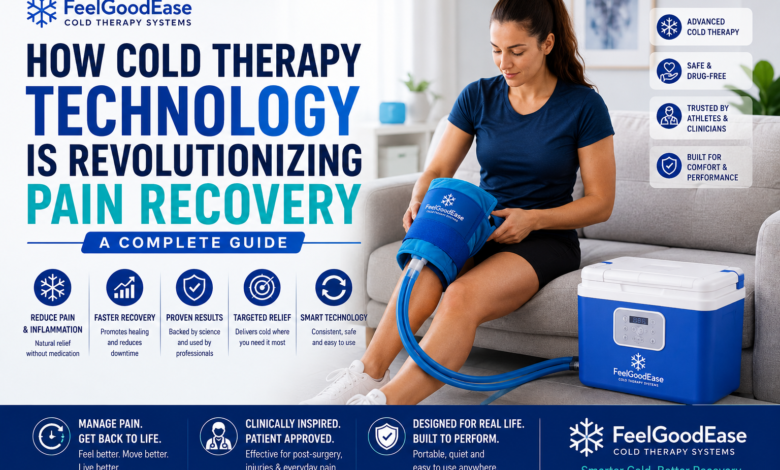
Cold therapy has always been one of the simplest ways to manage pain and reduce swelling. What has changed is how precisely it can be delivered. Modern cold therapy devices circulate chilled water at a controlled temperature, and many combine compression to target swelling more effectively. Evidence shows this approach can make recovery more comfortable while removing much of the guesswork that comes with bags of ice.
The right device also depends on your situation. Recovering from knee surgery isn’t the same as treating an ankle sprain or easing arthritis discomfort. In my experience, matching the technology to the injury matters far more than choosing the most expensive option.
Throughout this guide, you’ll learn how today’s recovery systems compare with traditional methods, which genuinely improve results, and how to choose a solution that fits your needs. I’ll also share where a reliable system like the FeelGoodEase cold therapy unit can make recovery simpler without turning treatment into a daily hassle.
The Science Behind Cold Therapy
Cold therapy works because it changes how your body responds to injury. It doesn’t just numb pain. It also helps manage inflammation and protect surrounding tissue during the early stages of recovery.
Reduces Swelling at the Source
Applying cold causes blood vessels to narrow, reducing blood flow to the injured area. This limits the buildup of inflammatory fluids, helping control swelling and bruising. Recent research has also found that cryotherapy can significantly reduce pain and swelling following surgery, making it a valuable part of early rehabilitation.
Protects Injured Tissue
Cooling also slows cellular activity. That means damaged tissue requires less oxygen, which may help reduce secondary tissue damage during the first 24 to 48 hours after an injury. In my experience, starting cold therapy as soon as possible produces the best results, especially for acute sprains, strains, and post-operative recovery.
Interrupts Pain Signals
Cold naturally slows the speed at which nerves transmit pain signals to the brain. That’s why relief often begins within minutes. While it doesn’t treat the underlying injury on its own, it makes movement and rehabilitation much more comfortable.
Modern recovery systems take this a step further by maintaining a consistent temperature throughout each session. A well-designed FeelGoodEase cold compression system, for example, delivers continuous cooling without the frequent ice changes that often reduce the effectiveness of traditional ice packs.
What the Latest Evidence Shows
Recent clinical research continues to support cold therapy as an effective, drug-free option for managing pain after surgery and musculoskeletal injuries. Studies have reported meaningful reductions in post-operative pain and swelling, while motorized cold compression systems have shown particularly strong results following total knee replacement. Growing clinical adoption also reflects increasing demand for non-pharmacological pain management as patients and healthcare providers seek safer recovery options.
Common Pain Recovery Challenges and How Cold Therapy Helps
Post-Surgical Recovery
Pain and swelling are often at their worst after procedures like knee replacement, ACL reconstruction, or shoulder surgery. Left unmanaged, they can slow rehabilitation and increase the need for pain medication.
Consistent cold therapy helps control inflammation while making movement more comfortable. Unlike ice packs that lose their cooling effect within minutes, a circulating cold therapy system maintains a steady temperature throughout the session. In my experience, that consistency makes a noticeable difference during the first few days after surgery.
Once your surgeon approves treatment, a reliable recovery system such as the FeelGoodEase cold compression device can provide continuous cooling and gentle compression to help manage post-operative discomfort and swelling.
Sports Injuries
Sprains, strains, and muscle pulls trigger immediate inflammation. The first 48 hours are critical, and inconsistent icing can reduce the benefits of treatment.
A cold compression device delivers even cooling while compression helps limit swelling. Compared with traditional ice packs, it stays securely in place and eliminates the need for frequent ice changes, making recovery far more convenient.
Chronic Joint Pain
Living with arthritis or recurring joint pain often means managing stiffness every day, not just after an injury.
Regular cold therapy sessions can reduce flare-ups and ease discomfort, especially after activity. For many people, a reusable cooling system is easier to incorporate into a daily routine than repeatedly preparing ice packs, making consistent treatment much more realistic.
Muscle Soreness After Exercise
Hard training often leads to delayed onset muscle soreness (DOMS), making the next workout more difficult than it needs to be.
Cold therapy helps reduce post-exercise discomfort and supports recovery, whether you use localized cooling after strength training or full-body cold water immersion after intense sessions. For athletes who want a practical home solution, a portable cold therapy unit offers targeted relief without the time and preparation required for an ice bath.
Types of Cold Therapy: Choosing the Right Recovery Tool
Not every cold therapy method works the same way. The best option depends on your injury, recovery goals, and how often you’ll use it. Here’s how the most common approaches compare.
Ice Packs and Gel Packs
Traditional ice packs remain a simple solution for minor bumps, bruises, and short-term pain relief. They’re inexpensive and easy to find, but they warm up quickly, can leak, and rarely fit the body well.
Always place a thin cloth between the ice pack and your skin to avoid cold-related skin irritation.
Ice Massage
Ice massage delivers concentrated cooling directly to a painful area, making it useful for conditions like tendonitis or plantar fasciitis. It provides fast, targeted relief but requires constant movement and only works for small treatment areas.
Cold Water Immersion
Ice baths cool the entire body, making them popular among athletes after demanding training sessions. They can help reduce muscle soreness, but maintaining the right water temperature takes preparation, and many people find the experience difficult to tolerate.
Cold Compression Therapy Machines
For post-surgical recovery and more serious injuries, cold compression systems offer the most consistent treatment. They continuously circulate chilled water while providing gentle compression to help control swelling and manage pain.
Unlike traditional ice packs that lose effectiveness as they warm, a quality system like the FeelGoodEase Cold Therapy Machine maintains a steady temperature throughout the session, making recovery more comfortable with minimal effort.
Wearable Cold Therapy Wraps
Wearable cooling wraps combine convenience with targeted relief. They’re lightweight, portable, and designed to fit joints such as the knee, shoulder, or ankle. While they don’t provide the same cooling duration as larger recovery systems, they’re an excellent option for staying active during rehabilitation.
Cold Plunge Tubs
Cold plunge tubs are built for people who regularly practice cold water immersion. They offer precise temperature control and eliminate the hassle of constantly buying ice, though they require more space and a larger investment than other recovery options.
Whole-Body Cryotherapy
Whole-body cryotherapy exposes the body to extremely cold air for a few minutes. Many users report feeling refreshed afterward, but current research is stronger for localized cold therapy than for whole-body cryotherapy, particularly when managing post-surgical pain and swelling. For most injuries, targeted cooling remains the better-supported approach.
How to Choose the Right Cold Therapy Device
The best recovery device isn’t always the most expensive one. It’s the one that matches your injury, daily routine, and recovery goals.
Match the Device to Your Injury
Use this quick guide to narrow your options:
- Post-surgery (knee, shoulder, hip): Cold compression therapy machine.
- Sprains and strains: Cold compression device or wearable wrap.
- Arthritis and recurring joint pain: Reusable cold therapy system for regular sessions.
- Muscle soreness after exercise: Cold plunge or targeted cold therapy, depending on the muscles involved.
- Small, localized pain: Ice massage or a gel pack.
In my experience, people recovering from surgery benefit most from a circulating cold therapy system because it delivers consistent cooling without the hassle of replacing melting ice packs.
Think About Your Lifestyle
If you’ll be recovering mostly at home, a cold therapy machine offers the most effective and convenient treatment. If you need relief while working, traveling, or staying active, a wearable wrap is easier to carry and use throughout the day.
A practical option for many people is keeping a portable cooling wrap for daily use while relying on a home recovery system like the FeelGoodEase ice therapy machine for longer treatment sessions.
Balance Cost with Long-Term Value
Basic ice packs are inexpensive but require frequent freezing and provide inconsistent cooling. Wearable wraps offer greater convenience, while cold compression machines cost more upfront but deliver more reliable treatment for people recovering from surgery or serious injuries.
If you’ll need cold therapy several times a day for weeks, investing in a quality recovery system often provides better value than constantly replacing traditional ice packs.
A Simple Decision Guide
If your pain follows surgery or a significant injury, choose a cold compression machine. If you’re treating everyday joint pain or a mild sports injury, a wearable wrap or reusable cooling device is usually enough. For occasional soreness after exercise, traditional cold therapy methods remain an effective and affordable choice.
How to Use Cold Therapy Safely and Effectively
Using the right technique is just as important as choosing the right device. A few simple steps can make treatment more comfortable and improve your recovery.
Using a Cold Compression Machine
Fill the reservoir with ice and water according to the manufacturer’s instructions, then connect the therapy wrap securely around the affected area. The wrap should feel snug but never restrict circulation.
Start with a 15 to 20-minute session using the recommended cooling setting. If your system includes compression, use it to help manage swelling. Check your skin every few minutes and stop if you notice unusual discomfort or excessive numbness.
After each session, empty the reservoir and clean the components to keep the system ready for the next treatment.
In my experience, a dependable system like the FeelGoodEase cold therapy recovery machine makes this process much easier by maintaining consistent cooling throughout the session without constantly replacing melting ice.
Taking a Cold Plunge
Fill the tub with cold water, enter slowly, and focus on steady breathing as your body adjusts. Begin with one or two minutes and gradually increase the duration as your tolerance improves.
Leave the water carefully, dry off, and warm up naturally with light movement instead of exposing yourself to extreme heat immediately afterward.
Performing an Ice Massage
Freeze water in a paper cup, expose the ice by peeling back the rim, and gently massage the painful area using small circular motions for five to ten minutes. Stop once the area becomes comfortably numb.
This technique works well for small, localized conditions such as tendon irritation or plantar fasciitis.
Using a Wearable Cold Therapy Wrap
Position the wrap so the cooling element sits directly over the painful joint or muscle. Secure the straps for a comfortable fit, then run the treatment for about 15 to 20 minutes before removing and cleaning the wrap.
Wearable systems are ideal when you need portable relief, while a full cold therapy unit remains the better choice for longer home recovery sessions.
Safety Tips Before Using Cold Therapy
Cold therapy is safe for most people when used correctly, but it isn’t the right choice for everyone. Knowing when to use it and when to avoid it can prevent unnecessary complications.
Who Should Be Careful
Speak with your healthcare provider before starting cold therapy if you have poor circulation, nerve damage, or conditions such as Raynaud’s disease, peripheral artery disease, or diabetic neuropathy. Reduced sensation can make it difficult to recognize when the skin is becoming too cold.
Watch for Signs of Cold Injury
Stop treatment immediately if your skin becomes white, hard, or unusually numb, or if normal feeling doesn’t return after warming the area. Allow the skin to warm gradually and seek medical advice if symptoms persist.
Never place ice or a freezing cold surface directly against bare skin. A protective barrier or a properly designed cold therapy wrap helps reduce the risk of skin damage.
Safe Cold Therapy Habits
Most treatment sessions should last about 15 to 20 minutes unless your healthcare provider recommends a different schedule. For acute injuries, combining cold therapy with compression and elevation often provides better swelling control than cooling alone.
If you use a circulating recovery system, clean the reservoir and therapy wrap regularly to keep the equipment hygienic and performing properly. A well-maintained unit, such as the FeelGoodEase ice therapy system, delivers consistent cooling while making daily recovery sessions easier to manage.
Comparing Popular Cold Therapy Options
| Device Type | Best For | Main Advantage | Consideration |
| Cold compression machine | Post-surgical recovery, severe injuries | Consistent cooling with compression | Higher upfront cost |
| Wearable cold wrap | Knee, shoulder, ankle injuries | Portable and hands-free | Shorter cooling sessions |
| Cold plunge tub | Full-body recovery | Treats the entire body at once | Requires space and maintenance |
| Ice massage roller | Small, localized pain | Affordable and targeted | Manual application |
| Reusable gel pack | Minor injuries and everyday aches | Simple and inexpensive | Temperature doesn’t stay consistent for long |
In my experience, people recovering from surgery or significant joint injuries benefit the most from a cold compression machine because it delivers reliable cooling session after session. Simpler options like gel packs and ice massage still have their place, but they’re generally better suited for occasional aches rather than intensive rehabilitation.
The Future of Cold Therapy
Cold therapy is becoming more precise, convenient, and personalized. The goal is no longer just applying cold—it’s delivering the right treatment at the right time with minimal effort.
Smarter Recovery Devices
Many newer recovery systems now include app connectivity, allowing users to monitor treatment time, temperature, and session history from their phones. This makes it easier to stay consistent and gives healthcare providers better insight into recovery progress when needed.
More Personalized Treatment
Recovery is moving away from a one-size-fits-all approach. New technologies are beginning to tailor cold therapy based on the type of injury, recovery stage, and individual needs. Industry trends suggest that personalized recovery protocols will become a major focus as cold therapy technology continues to evolve.
Better Support for Home Recovery
More patients are recovering at home after surgery, increasing demand for easy-to-use therapy systems. Modern cold compression devices are becoming quieter, more portable, and simpler to operate, helping people follow their recovery plans without frequent clinic visits.
As these technologies become more accessible, systems like the FeelGoodEase therapeutic cooling device are helping bring consistent, professional-quality treatment into the home, making daily recovery more practical for people managing pain after surgery, injury, or strenuous activity.
Looking Ahead
Expect future cold therapy devices to combine intelligent temperature control, improved portability, and personalized treatment features. While technology continues to advance, the fundamentals remain the same: consistent cooling, safe use, and choosing the right recovery solution for your specific needs.
Expert Insights
Over the years, I’ve found that the biggest difference in recovery isn’t the device itself, it’s using the right method consistently. The science supports cold therapy, but expectations need to stay realistic.
What’s the biggest mistake people make?
Using cold therapy for too long.
More isn’t better. Most sessions should last about 15-20 minutes. Leaving ice on for extended periods increases the risk of skin damage without improving recovery.
Are expensive recovery systems worth it?
It depends on your situation. For occasional soreness, an ice pack or reusable gel wrap is usually enough. But after surgery or a significant injury, a cold compression machine offers more consistent cooling and greater convenience, making it easier to stick with your rehabilitation plan.
What about cold plunges?
Cold plunges can be helpful for full-body recovery after intense training, but they’re not the best solution for every injury. If you’re recovering from a specific joint or surgical procedure, targeted cold therapy is generally the more practical choice.
Myth vs. Fact
Myth: The colder the treatment, the better the results.
Fact: Extremely cold temperatures can damage skin and nerves. Consistent, controlled cooling is far safer and more effective than extreme cold.
Myth: All cold therapy devices work the same way.
Fact: Ice packs, wearable wraps, and cold compression machines deliver very different experiences. The best choice depends on your injury, recovery goals, and how often you’ll use the device.
Myth: Cold therapy slows healing.
Fact: When used correctly, cold therapy helps manage pain and swelling while limiting secondary tissue damage during the early stages of recovery.
Myth: Cold therapy is only useful after surgery.
Fact: It can also help manage sports injuries, arthritis flare-ups, and muscle soreness after exercise when used appropriately.
Myth: Longer sessions produce faster recovery.
Fact: Most people benefit from sessions lasting about 15–20 minutes. Overusing cold therapy doesn’t improve results and may increase the risk of cold-related skin injury.
Recover Smarter with the Right Cold Therapy Solution
Cold therapy has come a long way from basic ice packs. Today’s recovery technology offers more consistent cooling, greater comfort, and better control over pain and swelling, making it easier to stay on track with rehabilitation.
The key is choosing the right approach for your specific needs. A simple gel pack may be enough for occasional aches, while post-surgical recovery or serious injuries often benefit from a cold compression system that delivers continuous, controlled treatment. In my experience, consistency matters far more than chasing the latest trend or the most expensive device.
If you’re looking for a practical way to recover at home, the FeelGoodEase cold and compression therapy device provides reliable cooling and compression to help manage pain, reduce swelling, and support a smoother recovery after surgery, injury, or strenuous activity.
Use cold therapy as part of a complete recovery plan, follow recommended treatment times, and consult your healthcare provider if you have an underlying medical condition. With the right device and a consistent routine, you can recover more comfortably and get back to the activities you enjoy sooner.