Compact Sleeper Sofas for Modern Small Space Living
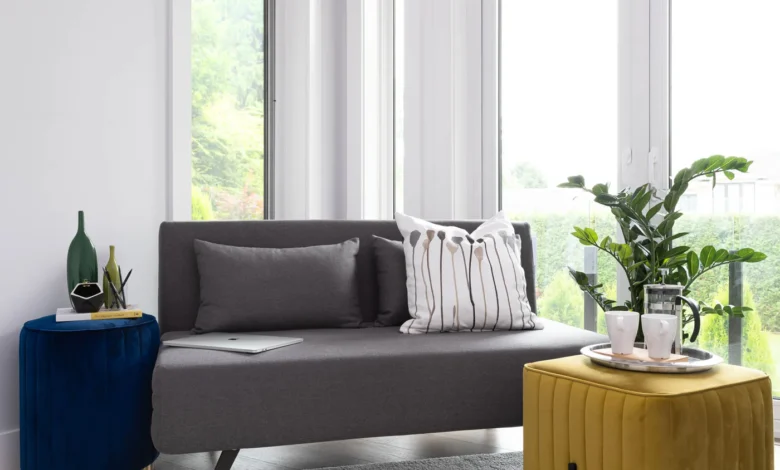
A small home does not always need more space. Sometimes it needs one piece of furniture to do its job more intelligently.
This is especially true when guests are involved. Many apartment dwellers and small-home owners want to host friends or family overnight, but they do not have the luxury of a spare bedroom. The living room becomes the guest room for a night, then has to return to normal the next morning without looking like it was rearranged in a hurry.
That is where the sleeper sofa has changed. It is no longer only a bulky backup bed hidden inside an oversized couch. In modern small-space living, the best versions are more compact, more visually refined, and more aware of how limited floor plans actually work.
For apartments, studios, home offices, and small living rooms, compact sleeper sofas offer a way to create a guest-ready space without dedicating an entire room to occasional overnight use. The value is not just that they open into a bed. It is that they let a room hold two identities without feeling temporary.
A good sleeper sofa should not make the living room feel like a disguised bedroom. It should make the home feel prepared.
The Invisible Guest Room
The idea of a guest room is changing. In many homes, it is no longer a separate bedroom with a closed door, a nightstand, and a bed that waits unused most of the year. Instead, guest space is becoming something more flexible.
It may be a living room that converts for one night. A home office that becomes a sleeping area. A studio apartment where the sofa becomes the guest bed only when needed. A den that supports both daily work and occasional hosting.
This kind of guest space has to be designed carefully because it exists in plain sight. There is no door to hide clutter, awkward furniture, or a poorly planned sleeping arrangement.
A compact sleeper sofa helps by making the guest function part of the room’s design rather than an emergency arrangement. When closed, it should feel like a proper sofa or loveseat. When open, it should provide a sleeping surface that feels intentional enough for a guest to feel considered.
The best version is almost invisible in daily life, then quietly useful when the moment arrives.
Why Compact Matters More Than Ever
The word “compact” does not simply mean small. It means controlled.
A compact sleeper sofa still needs to be comfortable enough to sit on every day and sleep on occasionally. If it is too small, stiff, or flimsy, it becomes a compromise. If it is too large, it defeats the purpose of choosing compact furniture in the first place.
In small-space living, the closed footprint matters just as much as the open footprint. Most of the time, the sleeper sofa will function as seating. It needs to leave enough room for walking, a side table, a coffee table, lighting, and normal daily movement.
But the open footprint also matters. When extended, it should not block the door, trap someone against a wall, or require every other piece of furniture to be moved into the hallway.
This is the balancing act: small enough for everyday life, generous enough for guest use.
Three Rooms Where Sleeper Sofas Work Especially Well
Instead of thinking of sleeper sofas as one furniture category, it helps to think about where they live. Different rooms ask different things from the same piece.
1. The Studio Apartment
In a studio, furniture has to create zones without walls. A sleeper sofa may sit between the sleeping area, dining corner, and kitchen, which means it has to look good from several angles.
A compact design works better here because the sofa is not just seating. It is part of the apartment’s visual structure. A low back, clean arms, and calm fabric can help the room feel more open. A bulky sofa bed can make the entire studio feel smaller.
The sleeper function is useful for guests, but the daily appearance is even more important. In a studio, the sofa is always visible.
2. The Small Living Room
A small living room may already have a clear purpose: TV, reading, conversation, or family downtime. Adding guest function should not destroy that.
A compact sleeper sofa works best when paired with furniture that can move easily. A lightweight coffee table, nesting tables, or small side tables can make the conversion smoother. If every piece around the sofa is heavy, opening the bed becomes a chore.
The room should still feel like a living room when the sofa is closed. That means the rug, lighting, and tables should be planned for daily use first.
3. The Home Office That Hosts
Many spare rooms have become home offices. But they may still need to host guests occasionally. This is where a compact sleeper sofa can be more useful than a permanent bed.
A bed can make an office feel like a bedroom with a desk squeezed in. A sleeper sofa keeps the room in work mode most of the time, then shifts when someone stays over.
The key is to add guest details without cluttering the office: a small side table, a reading lamp, storage for bedding, and enough floor space to open the sleeper when needed.
This kind of room does not need to pretend it is a hotel suite. It needs to feel thoughtful.
The Conversion Zone
Every sleeper sofa needs what could be called a conversion zone: the floor area required to open the bed and still move around it.
This is where many small-space mistakes happen. People measure the sofa when closed, confirm that it fits the wall, and forget to test what happens when it opens. Then the coffee table has to be dragged away, the door cannot open fully, or the guest has no place to put a phone or glass of water.
A sleeper sofa should be planned in both states.
The closed state answers: does the room look balanced every day?
The open state answers: does the room still function when someone sleeps here?
Both matter equally.
Here is a practical way to think about the space around a sleeper sofa:
| Planning detail | Why it matters in a small room | Better approach |
| Open footprint | The bed needs room to extend fully | Measure the sofa both closed and open |
| Nearby table | Guests need a surface for small items | Use a slim side table or movable nesting table |
| Coffee table | It may block the sleeper mechanism | Choose lightweight or easy-to-shift designs |
| Bedding storage | Sheets and pillows need a hidden place | Use a storage ottoman, closet basket, or nearby cabinet |
| Walking path | The room should not become unusable | Keep at least one side reasonably accessible |
Comfort Has Two Audiences
A sleeper sofa has to satisfy two different users: the person who sits on it every day and the person who sleeps on it occasionally.
Some sleeper sofas fail because they focus too much on one audience. They may be fine as a bed but uncomfortable as a sofa. Or they may look good as a loveseat but feel disappointing when opened for sleep.
The better choice is balanced. The seat should feel supportive enough for daily use. The sleeping surface should feel stable enough for a guest. The arms should not be so bulky that they waste precious width. The cushions should not be so soft that the sofa loses shape after normal sitting.
For occasional guests, small details matter more than people expect. A nearby lamp. A place to charge a phone. A throw blanket that is not buried in another room. Curtains or shades that provide privacy. These details make the sleeping arrangement feel more intentional.
A compact sleeper sofa provides the foundation, but the room around it creates the guest experience.
Styling It So It Does Not Look Temporary
Small-space furniture can sometimes look as though it was chosen only because the room was difficult. That is the look to avoid.
A compact sleeper sofa should feel like a design choice, not an apology for limited space.
Fabric helps. Soft neutrals, textured weaves, warm greys, beige, taupe, olive, or muted tones can make the sofa feel more permanent. The silhouette matters too. Slim arms, low profiles, clean lines, and balanced proportions make the sleeper function less obvious.
The surrounding pieces should also support the sofa visually. A rug can anchor it. A floor lamp can give it purpose. A side table can make it feel complete. Artwork above it can turn the wall into a real seating zone rather than a blank background.
When styled well, no one needs to know the room can become a guest room until it needs to.
The Bedding Problem
A sleeper sofa is only practical if the bedding has a place to live.
In small homes, sheets, pillows, and blankets cannot float around without a plan. If the bedding is hard to access, the sleeper function becomes less convenient. If it is stored in visible piles, the room feels cluttered.
The best solution depends on the room. A storage ottoman can hold guest bedding in the living room. A closet basket can keep everything together. A bench with storage can work in a home office. A closed cabinet near the sofa can hide bedding and guest items.
The important thing is to keep the guest setup contained.
A simple bedding kit can help: fitted sheet, flat sheet, pillowcase, lightweight blanket, and perhaps a small towel. Stored together, it makes the conversion feel easy rather than improvised.
The more effortless the setup, the more likely the sleeper sofa will actually be used.
What Makes a Compact Sleeper Sofa Feel Grown-Up?
A grown-up sleeper sofa is not defined by size. It is defined by how well it belongs to the room.
It should have a clear daytime identity. Is it the main sofa? A secondary loveseat? A guest-ready office seat? A studio apartment anchor? Once that role is clear, the design decisions become easier.
A compact sleeper sofa feels more refined when:
- the upholstery looks intentional rather than purely practical;
- the arms and back are scaled to the room;
- the coffee table can move without effort;
- bedding storage is planned nearby;
- lighting makes the area useful in both sofa and bed mode;
- the room still feels calm when the sofa is closed.
These details turn a practical piece into part of the home’s design language.
When a Sleeper Loveseat Makes More Sense Than a Full Sofa Bed
A full-size sleeper sofa is not always necessary. In very small apartments or home offices, a sleeper loveseat may be the smarter choice.
It takes up less wall space, feels visually lighter, and can still provide an occasional sleeping function depending on the design. It may also work better in rooms that need to remain primarily offices, dens, or secondary sitting areas.
The question is not only how many people need to sit. It is how often someone needs to sleep there, how much space the room has, and whether the room can handle a full extended footprint.
A smaller sleeper can be more useful than a larger one if it lets the room remain comfortable every day.
Small-space furniture should be judged by what it preserves, not only by what it provides.
A Room That Can Return to Itself
The best thing about a well-chosen sleeper sofa is what happens after the guest leaves.
The bedding goes away. The coffee table returns. The sofa closes. The room becomes itself again.
That reset matters. In a small home, a guest setup should not leave the living room feeling disrupted for days. It should feel like the room briefly changed roles, then returned to normal with ease.
That is the real promise of compact sleeper furniture. It does not create more square footage, but it creates more possibility inside the square footage already available.
A small home should not have to choose between daily comfort and occasional hospitality. With the right sleeper sofa, it can have both.