The Rise of Decorative Metal in Modern Interior Design
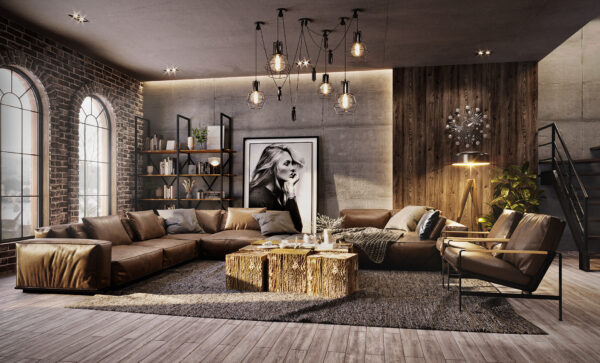
Modern interior design is constantly evolving, driven by changing aesthetics, technological advancements, and the growing demand for durable, sustainable materials. While traditional materials such as wood, stone, and glass continue to play important roles in architectural design, decorative metal has emerged as one of the most influential materials shaping contemporary commercial and residential spaces.
From luxury hotels and retail stores to office buildings and upscale residences, designers are increasingly incorporating decorative metal elements to create sophisticated, long-lasting environments that balance beauty with functionality.
Why Designers Are Moving Beyond Traditional Materials
For decades, wood, marble, and glass dominated interior design projects. While these materials offer their own unique appeal, they also come with limitations.
Wood can warp, crack, or suffer damage from moisture over time. Natural stone often requires significant maintenance and can be costly to source and install. Glass, while visually appealing, may be vulnerable to scratches, fingerprints, and breakage.
As modern projects demand greater durability, lower maintenance requirements, and more versatile design options, architects and interior designers have begun exploring alternative materials that deliver both performance and visual impact.
Decorative metal has emerged as a leading solution, offering a combination of strength, elegance, and adaptability that traditional materials often struggle to match.
The Benefits of Decorative Metal
One of the primary reasons decorative metal has gained popularity is its exceptional durability. Stainless steel and other architectural metals can withstand daily wear, resist corrosion, and maintain their appearance for years with minimal maintenance.
In addition to longevity, decorative metal offers several key advantages:
Modern Aesthetic Appeal
Metal surfaces provide a sleek, contemporary appearance that complements modern architectural styles. Whether used as wall panels, ceiling features, partitions, or furniture accents, decorative metal creates a sense of luxury and sophistication.
Design Flexibility
Today’s manufacturing technologies allow metal surfaces to be customized in countless ways. Designers can select from a wide range of textures, finishes, patterns, and colors to achieve unique visual effects.
Fire and Moisture Resistance
Unlike many traditional materials, stainless steel is naturally resistant to fire, humidity, and moisture, making it suitable for both interior and exterior applications.
Easy Maintenance
Metal surfaces are relatively simple to clean and maintain, reducing long-term operating costs for commercial property owners.
Popular Decorative Metal Finishes
Modern decorative metal products are available in a variety of finishes that help designers achieve different styles and moods.
Mirror Finish Stainless Steel
Mirror-polished surfaces create dramatic reflections and add a luxurious feel to hotel lobbies, retail environments, and premium commercial spaces.
Brushed Stainless Steel
Brushed finishes offer a subtle texture and contemporary appearance that works well in offices, restaurants, and residential interiors.
Bead Blasted Stainless Steel
This finish creates a smooth, matte texture that reduces glare while maintaining an elegant visual appeal.
Antique and Aged Finishes
For projects seeking a vintage or industrial aesthetic, antique metal finishes provide character and depth that cannot be achieved with conventional materials.
Colored PVD Stainless Steel
Advanced PVD technology enables the creation of stunning gold, bronze, black, rose gold, and champagne-colored metal surfaces without compromising durability.
Many designers now rely on decorative stainless steel sheets to achieve these finishes while maintaining high performance standards in demanding environments.
Applications in Modern Spaces
Decorative metal is no longer limited to elevators or commercial facades. It has become a defining design element across numerous industries.
Luxury Hotels
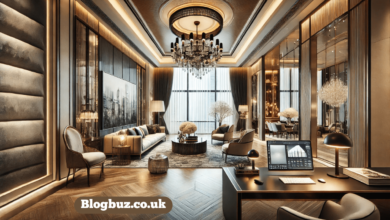
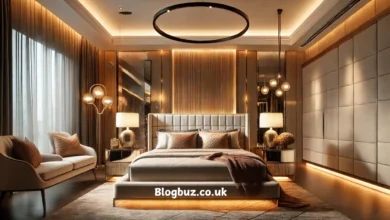
Hotels use decorative metal in reception areas, elevator interiors, guest room features, and custom furniture to create memorable guest experiences.
Retail Stores
Luxury retail brands frequently incorporate metal wall panels, display systems, and decorative screens to strengthen brand identity and enhance customer engagement.
Restaurants and Hospitality Venues
Decorative metal helps establish distinctive atmospheres while providing surfaces that are easy to clean and maintain.
Corporate Offices
Modern workplaces increasingly utilize metal partitions, feature walls, and reception desks to create professional and contemporary environments.
Residential Projects
High-end residential developments are embracing decorative metal for kitchens, staircases, feature walls, and custom furniture components.
Sustainability and Long-Term Value
Sustainability has become a major consideration in architecture and interior design. Decorative metal aligns well with environmentally responsible building practices.
Stainless steel is highly recyclable and can often contain significant recycled content. Its long lifespan reduces the need for frequent replacement, minimizing waste and lowering the environmental impact of renovation projects.
Furthermore, the durability of metal materials helps property owners reduce maintenance expenses and extend the lifecycle of interior installations.
As a result, many architects are turning to custom decorative metal solutions that support both design excellence and sustainability objectives.
Conclusion
Decorative metal has transformed from a niche architectural element into a mainstream design material that is reshaping modern interiors. Its durability, versatility, sustainability, and aesthetic flexibility make it an ideal choice for contemporary commercial and residential projects.
As design trends continue to evolve, decorative metal is expected to play an even greater role in creating innovative spaces that combine visual impact with long-term performance. For architects, designers, and property owners seeking materials that balance style and functionality, decorative metal represents one of the most exciting opportunities in modern interior design.