Top 10 Veneer Clinics in London for Choosing Tooth Shape and Texture
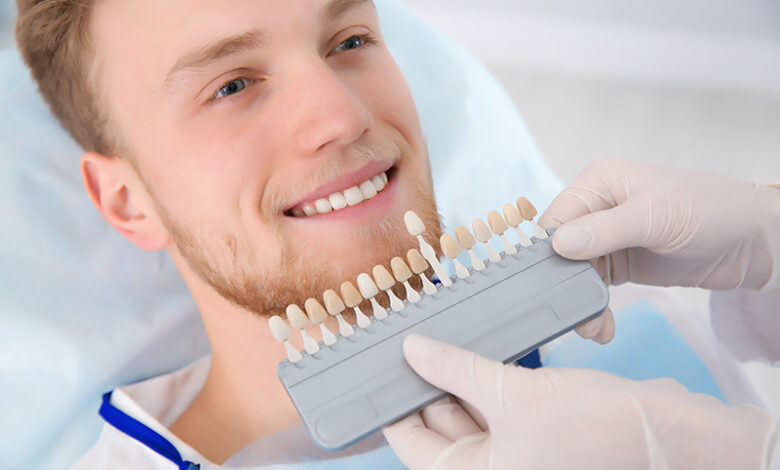
A rounded corner can make a front tooth look quite different without changing its colour. A pair of central teeth can feel prominent because of their length, their width or the outlines of the teeth beside them. Look more closely and the surface has a character of its own: a quiet sheen, a little variation, an edge that catches the light.
These are the details that tend to disappear inside the request for “natural veneers”. When choosing a veneer clinic in London, it helps to find a way of discussing them before a design becomes final. The most useful conversation allows room for what you want to retain as well as what you want to change. It also connects the appearance you have in mind with the dentist’s assessment of your teeth and bite.
How the Shortlist Addresses Personal Veneer Design
The ten London clinics below offer veneers with relevant design consultation, previews or ceramic collaboration. Four considerations guide the selection: how preferences can be discussed and recorded, opportunities to preview a design, communication with the people making the ceramic, and dental assessment before changing tooth form. Together, these connect a visual idea to a treatment that must also function in the mouth.
The sequence gives early attention to trial designs and their transfer into ceramic, then explores neighbouring teeth, proportions, material choices and facial context. It is an editorial shortlist for a design conversation, not a scored comparison of clinical results. The entries identify particular capabilities to discuss; they do not imply that every patient will need every stage described.
Top 10 Veneer Clinics in London for Shape and Surface Detail
1. MaryleboneSmileClinic
MaryleboneSmileClinic’s approach to London veneers provides several opportunities to discuss a design before the finished restorations are fitted. At this Harley Street clinic, the described process begins with dental health and bite assessment, followed by planning that includes a three-dimensional image. Temporary veneers then allow feedback on the proposed appearance before ceramic fabrication proceeds. There is a further opportunity for patient approval at the final fitting stage, alongside checks by the dentist.
For a reader interested in shape, that sequence gives the discussion somewhere concrete to go. An edge that seemed right in an image may invite a different conversation when the design is in your mouth. You can point to the length you mean, explain whether a corner looks too rounded, or identify a feature of your original teeth you would like to preserve.
The appeal of Marylebone’s process is the opportunity to revisit those observations as the work develops. Use the temporary stage to discuss form, then clarify how surface character will be represented in the finished ceramic. The two materials should not be assumed to look identical.
2. Bespoke Smile
A shape made by hand gives you something tangible to respond to. Bespoke Smile, whose London clinic is on Upper Wimpole Street, uses a hand-sculpted trial created by the dentist as the reference for its own ceramic laboratory. A preference for gently rounded edges can therefore be discussed against a form that already exists in the mouth.
Surface character takes that conversation further. The practice describes hand-layering porcelain to specifications for translucency, texture and shade. It is the connection between the trial and those ceramic instructions that makes Bespoke Smile interesting here: the outline can be agreed while the finer appearance is still being explored with the team.
3. Harley Street Dental Studio
How does a small preference travel from the consulting room to the ceramist? Harley Street Dental Studio describes sending photographs, digital scans and the agreed design to its laboratory, with instructions on shape, shade, surface texture and translucency. That handover is worth discussing if you notice details that are easily lost in a general request for a natural result. A note about softly curved corners gives the team something specific to record. The clinic also describes using temporary veneers to evaluate form, speech and bite, allowing observations from that stage to inform the ceramic work. Here, the attraction is a design conversation that continues into fabrication.
4. London Smile Clinic
London Smile Clinic on Clipstone Street moves a proposed design from a digital mock-up into a three-dimensional model and temporary restorations. If a flat image leaves you uncertain, that progression gives you other ways to examine the idea.
A facial image encourages you to consider the overall effect. A model brings attention to form from other angles. The temporary restorations then place the proposal in your own smile, where you can discuss what still needs adjustment.
The practice’s partner laboratory adds colour, texture and translucency to the final work. Establish which of those details you are viewing at each stage. The sequence is particularly useful when you want to understand how a promising outline becomes a finished surface.
5. Bow Lane Dental
Untreated teeth can be the most useful reference in the room. At Bow Lane Dental in the City, an in-house laboratory works on veneer shape and length in relation to the bite and can compare colour with the patient’s own teeth. That direct reference matters when you already like much of your smile. Identify a neighbouring tooth whose outline or character you want the new work to sit beside, including any small differences you would prefer to retain. The practice also describes a possible resin preview during planning. Together, these offer a way to discuss how new veneers will relate to the teeth around them.
6. Dawood & Tanner
A request for longer front teeth brings proportion and function into the same conversation. Dawood & Tanner’s smile enhancement planning may include diagnostic wax-ups, digital previews and bite analysis, with ceramic restorations considered for their proportions and translucency. These are useful capabilities when a preferred outline needs to be understood within the existing mouth.
The Wimpole Street practice also works with older restorations and combinations of veneers and crowns. If your smile contains previous dental work, the design discussion can account for it from the outset. What you see as a change to one silhouette may need to be considered alongside the teeth next to it and the way they meet when you bite.
7. Sensu
A shade name leaves some questions unanswered. How much variation do you want across a tooth? How conspicuous should the gloss appear? Sensu distinguishes uniform colour from multicolour veneer designs and describes handcrafted work in a ceramic studio that patients can visit. Its Wimpole Street and London Bridge practices offer a starting point for exploring those material preferences through examples.
There is also a question to settle before concentrating on the finish. Sensu identifies orthodontics as a possible alternative for crowded teeth that are otherwise healthy. If tooth position is driving the request, that assessment helps establish whether veneers are the appropriate subject of the design conversation at all.
8. Cosmetic Dentistry Clinic
Square or rounded leaves plenty of room for interpretation. You may like a fairly straight edge with softened corners without wanting the whole tooth to look round. Cosmetic Dentistry Clinic in South Kensington discusses shape and length using photographs, video and a screen design, followed by adjustable acrylic temporaries in its veneer process. Those references can help turn a broad adjective into a recognisable outline. The clinic’s inclusion here rests on that opportunity to clarify and revise the form before ceramic fabrication. The finish remains a separate detail to discuss as the design moves between materials.
9. Chelsea Dental Clinic
Step back from the close-up. An outline admired in a tightly cropped photograph may create a different impression when you are speaking or smiling naturally. Chelsea Dental Clinic on Fulham Road brings facial analysis, digital scans and three-dimensional simulation into its smile makeover planning, with veneers among the treatment options. Its attention to the smile within the moving face makes it relevant to a subtle design request. Bring the reference image, but identify the particular detail you like and discuss it within your own features. The wider view can change what you notice about the proposed tooth length.
10. The Welbeck Clinic
The Welbeck Clinic offers a photo-based simulation as an initial way to explore a possible smile change. It explicitly describes these images as demonstrations, with a fuller discussion and professional imagery at the in-person consultation. The practice on Welbeck Street also offers porcelain veneers and digital scanning.
For a reader still forming their preferences, that is a useful place to begin. Mark the outline you want to explore and bring the resulting questions to the consultation. The actual ceramic surface needs a later review; an initial image helps you decide what to discuss next.
Describe the Details You Want to Keep
Before a design appointment, take one ordinary photograph of your smile and write a few notes beside it. Start with something you like. Perhaps the two central teeth have a recognisable difference in length, or the smaller teeth beside them have corners you find appealing. Pointing to a feature you want to retain helps the dentist understand what “still looks like me” means to you.
Then name the change as precisely as you can. “This edge looks too flat” or “I want these corners a little softer” gives the discussion a location and a direction. For surface preferences, examples might include wanting a less uniform appearance or wanting to understand how much gloss the finished ceramic will have. These are preferences to explore with the team, rather than a prescription for a particular material.
Leave space for what you cannot judge yet. Ask which aspects can be discussed through a screen image, which through a physical trial, and when you will inspect the final veneers. Check what stage of tooth preparation each trial involves. A temporary design can be valuable for discussing form while still differing from ceramic in its surface appearance. The useful outcome is an agreed understanding of the details, including those that need another look before fitting.
Source note: This shortlist draws on the clinics’ official veneer, smile design, laboratory process and practice information pages. Descriptions of previews and materials reflect the services those clinics publish.