HepG2 And Its Growing Importance In Biomedical Studies
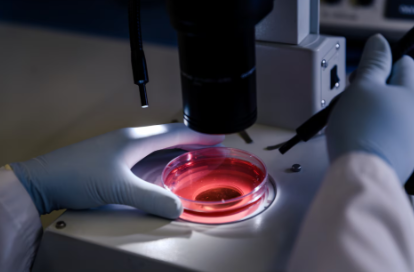
When you conduct biomedical research, you always expect your work to yield good, accurate, and reliable results. How you choose and use research models may affect the quality and consistency of all findings.
Whether in liver metabolism research, drug testing and toxicology screening, or genetics research, every step is dependent on reliable laboratory tools. When the same cell model supports several areas of research, this helps generate a more systematic and coherent strategy.
This is where HepG2 cells can help. HepG2 cells possess liver-like features, stable growth, and extensive use in biomedical research, facilitating credible research across all phases of testing and analysis.
But what does that really look like on the ground?
Let us see how HepG2 cells can be used in biomedical research and why their use is increasingly significant in contemporary research.
1. Support Accurate Liver Function Studies
When studying liver activity, using a reliable cell model can help improve research results. Because HepG2 cells behave in a manner similar to liver cells, they are useful for a variety of laboratory studies.
One of their main benefits is helping researchers study liver-related functions. This enables you to observe the effect of various compounds on cells and gather useful information in a controlled laboratory environment.
HepG2 cells also secrete enzymes to aid in the metabolism of fats, sugars, and other substances. Analyzing these activities can provide additional insight into key biological processes and variations in those processes in response to environmental alterations.
These characteristics make HepG2 cells popular for liver research, and they are frequently used in larger-scale scientific studies, including treatment development.
2. Improve Drug Development Research
Researchers require a deeper understanding of the interaction of a treatment with liver cells before a treatment advances to further development. Collecting that information early can aid in decision-making throughout the research process.
HepG2 cells are a reliable model to investigate those first interactions. They provide a platform for researchers to understand the behavior of compounds in a liver-like setting, and to gather information that could help in future development.
These cells are also frequently used to study metabolism. By tracking how quickly compounds are processed, researchers can gain insights that support treatment design and help identify potential challenges early on.
All of these observations help build a profile of the potential performance of a treatment. In addition to effectiveness studies, they can also support the safety assessments that play an important role in biomedical research.
3. Strengthen Toxicology and Safety Testing
Many research projects focus on learning how medicines, chemicals, and substances from the environment affect living cells. In these studies, HepG2 cells act as a dependable laboratory model that helps researchers collect useful information.
By using these cells, you can see how different substances affect cell activity in a controlled setting. This makes it easier to study biological responses and understand possible effects on liver-related functions.
Another benefit is the ability to repeat tests under similar conditions. Running the same experiments helps researchers compare results and gain greater trust in their findings over time.
The information collected from these studies can help support better safety evaluations in many areas of science. It also helps create reliable research methods that can support future discoveries.
4. Promote Standardized Research Across Laboratories
When research takes place across different laboratories, comparing results becomes easier when the same cell models and methods are used. Shared research tools create a common starting point that helps researchers work from a consistent framework.
Because HepG2 cells are widely used throughout biomedical research, they serve as a familiar reference point for many scientists. This widespread use makes it easier to compare findings across studies and draw meaningful conclusions from the data.
Using the same cell model in multiple investigations also helps researchers confirm their results. When separate teams reach similar conclusions, it adds confidence to the findings and supports their reliability.
This consistency encourages collaboration and allows researchers to build on existing work more effectively. As a result, HepG2 cells continue to support progress across a wide range of scientific fields.
5. Expand Applications Across Biomedical Studies
The value of HepG2 cells goes beyond liver studies. Researchers use them in many areas of biomedical research because they can help study different cell activities using one well-known cell model.
For example, in nutrition research, they can be used to study how vitamins, nutrients, and other substances affect cell activity. These studies can provide useful information about how cells respond to different compounds in a controlled laboratory setting.
HepG2 cells are also widely used in genetics research. They help researchers study gene activity and learn more about how cells work and respond to changes in their environment.
Another important use is in cancer research, where they help scientists study cell behavior and disease-related processes. Because they can be used in many different types of studies, they remain an important tool in modern biomedical research.
Bottomline
When carrying out biomedical research, using dependable tools can help improve the quality of your studies. HepG2 cells remain important because they help support accurate research across many areas of science.
From liver function studies and drug development to safety testing and genetics research, these cells are useful in many laboratory settings. Their ability to deliver reliable results also makes it easier to compare findings and build stronger research outcomes.
Their widespread use in laboratories has increased their importance in modern biomedical research. As research continues to advance, HepG2 cells remain a trusted option that can help you work with confidence and support future scientific discoveries.