How to Choose the Right Breast Pump for Your Pumping Journey
Becoming a mother brings countless decisions, and choosing the right breast pump ranks among the most important ones for nursing parents. Whether you’re returning to work, building a milk stash, or seeking relief from engorgement, the right pump can transform your feeding experience. With so many options on the market, from manual to electric, single to double, wearable to traditional, finding the perfect match for your lifestyle feels overwhelming. This guide walks you through everything you need to know about modern breast pumps, including key features to look for, how to evaluate suction strength and comfort, and practical tips for incorporating pumping into your daily routine. By the end, you’ll have a clear understanding of what works best for your unique needs and how to make pumping a sustainable, even enjoyable, part of motherhood.
Understanding Different Types of Breast Pumps
Modern mothers have access to a wider range of pumping options than ever before. Each type serves different lifestyles and needs, so understanding the categories helps you make an informed choice. The main distinctions come down to power source, portability, and how the pump connects to your body. Knowing these differences saves you from buying a device that doesn’t fit your daily reality
Manual Versus Electric Pumps
Manual pumps rely on hand-powered suction, making them quiet, affordable, and great for occasional use or travel. They work well for mothers who pump infrequently or want a backup option. However, they require physical effort and time, which can be tiring during longer sessions. Electric pumps, by contrast, do the work for you with motorized suction. They offer adjustable settings for speed and intensity, allowing you to mimic your baby’s natural nursing rhythm. For mothers who pump regularly or exclusively, an electric breast pump provides the consistency and efficiency needed to maintain a healthy milk supply over time.
Wearable and Hands-Free Options
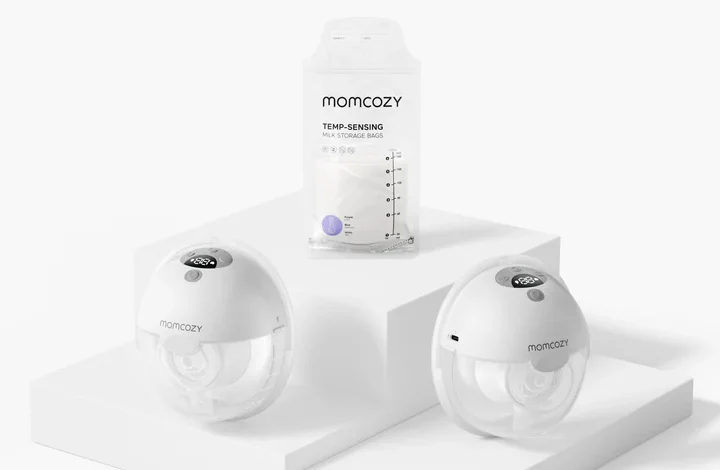
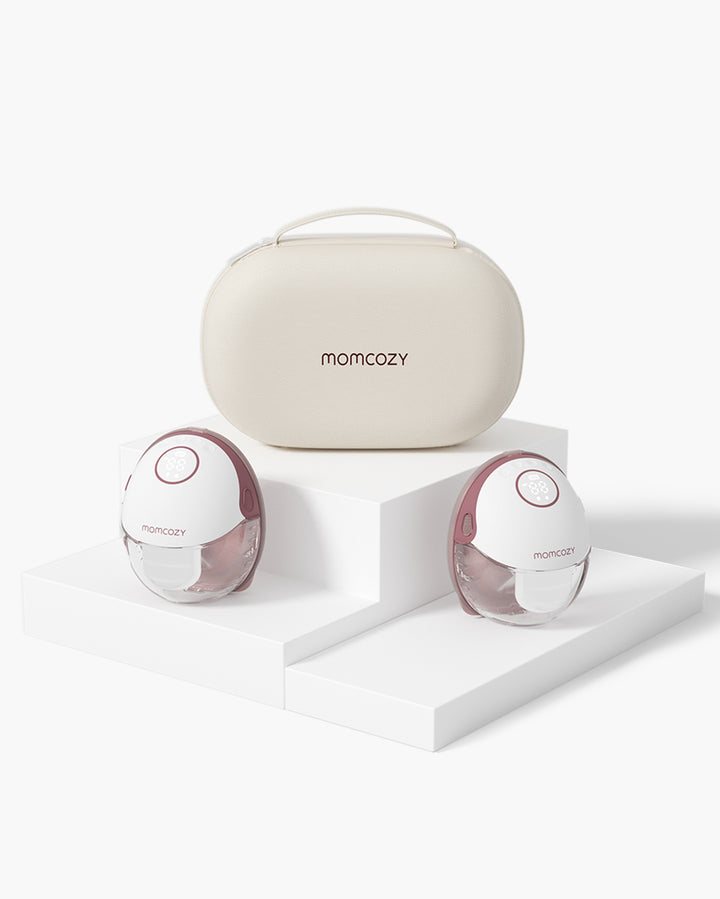
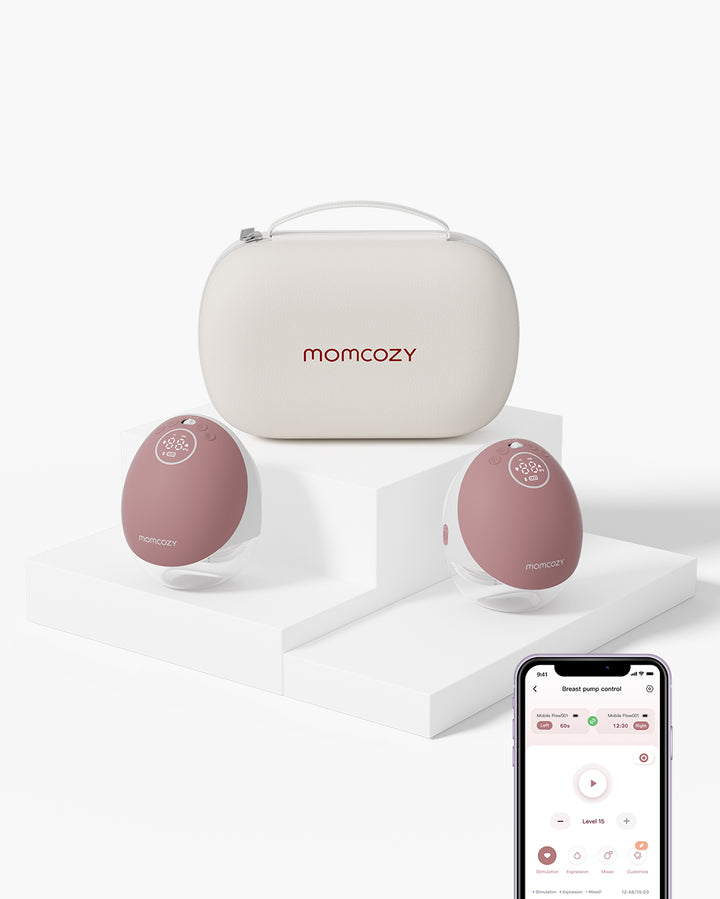
Wearable pumps fit discreetly inside your bra and operate without external tubes or cords. This design lets you pump while working at a desk, caring for older children, or even running errands. The convenience comes with a learning curve, though, since proper flange fit is essential for both comfort and effective milk extraction. Many modern wearable models include app connectivity, letting you track sessions, output, and pumping patterns directly from your phone.
Key Features That Make a Difference
Not all pumps are created equal, and the features you prioritize should reflect how often and where you plan to use the device. Suction strength, expressed in mmHg, determines how effectively the pump draws milk. Look for hospital-grade options if you need maximum power, especially in the early weeks when establishing supply. Adjustable suction levels and pumping modes are equally important, since your needs change throughout each session. A good pump typically offers a stimulation phase to mimic a baby’s initial fast sucking, followed by an expression phase with slower, deeper pulls.
Comfort and Flange Fit
Flange size matters more than most new mothers realize. A flange that’s too large or too small can cause pain, reduce milk output, and even damage delicate tissue. Most pumps come with standard sizes, but you may need to purchase additional flanges to find your perfect fit. Signs of poor fit include nipple rubbing against the tunnel, areola being pulled deep into the flange, or persistent discomfort during pumping. Brands like Momcozy include multiple flange sizes with their pumps, recognizing that one size truly does not fit all.
Battery Life and Portability
If you plan to pump on the go, battery life becomes a deciding factor. Look for models offering at least four to six pumping sessions per charge. Lightweight designs and quiet motors also matter, especially if you’ll pump in shared spaces or during meetings. Some pumps now operate at sound levels comparable to a quiet whisper, which makes discreet pumping genuinely possible.
Building a Sustainable Pumping Routine
Owning the right pump is only half the equation. Establishing a routine that fits your life makes the difference between pumping feeling like a chore and becoming a manageable part of your day. Most lactation consultants recommend pumping every two to three hours during the early weeks to establish supply, gradually adjusting frequency as your baby grows and your routine changes.
Pumping at Work
Returning to work while breastfeeding requires planning. Identify a private, comfortable space ahead of time, and communicate your pumping schedule with your manager. A reliable cooler bag with ice packs keeps milk safe during your commute. Wearable pumps shine in workplace settings because they allow you to continue answering emails or attending virtual meetings without disruption. Storing extra parts at the office means you won’t be caught without supplies if something gets left at home.
Cleaning and Maintenance
Proper cleaning protects your baby’s health and extends your pump’s lifespan. Wash all parts that contact milk after every use with warm soapy water, then air dry on a clean towel. Sterilize parts daily during the first few months, either by boiling, using a steam bag, or running them through a dedicated sterilizer. Replace valves, membranes, and tubing according to manufacturer guidelines, since worn parts reduce suction efficiency and can affect output.
Common Challenges and Practical Solutions
Even with the best equipment, pumping comes with hurdles. Low output, sore nipples, and clogged ducts are common concerns that often have straightforward solutions. If your output drops, check your flange fit first, then evaluate your hydration, stress levels, and pumping frequency. Adding a power pumping session, where you pump in short bursts over an hour to mimic cluster feeding, can help boost supply when needed.
Discomfort usually signals a fit or settings issue rather than a problem with pumping itself. Lower the suction level to find what feels effective without causing pain, since maximum suction does not equal maximum output. Warm compresses before pumping and gentle breast massage during sessions improve milk flow and reduce the risk of clogs. If you encounter persistent issues, a lactation consultant can offer personalized guidance that no online article can replace.
Making Pumping Work for You
Choosing and using a breast pump is a deeply personal decision that depends on your lifestyle, body, and goals as a parent. The best pump is the one you’ll actually use consistently, one that fits comfortably, performs reliably, and suits your daily reality. Take time to research, ask other parents about their experiences, and don’t hesitate to try different flange sizes or settings until something feels right. Remember that pumping is a skill that improves with practice, and small adjustments often yield big improvements in comfort and output. With the right tools and routine, you can provide your baby with the nourishment they need while maintaining your own well-being throughout this meaningful chapter of parenthood.