How Families Are Rethinking Second-Car Needs for Short Local Trips
or many households, owning two cars has long felt like a normal part of family life. One vehicle may be used for work, while the other handles school runs, errands, appointments, shopping, and weekend plans. In busy households, a second car can seem less like a luxury and more like a practical necessity.
But as families look more closely at transportation costs, local travel habits, and how often they truly need two vehicles at the same time, that assumption is starting to change. Some households are asking a more practical question: do they need a second car for every trip, or do they need a better way to handle short local movement?
For many families, the answer depends on distance, schedule, storage, neighborhood design, and daily routines. The second car may still be necessary for some situations, but it may not be the only option for every short trip.
Why the Second Car Question Matters
A second car can be convenient, but it also comes with ongoing costs. Fuel, insurance, maintenance, parking, registration, repairs, and depreciation can all add up over time. Even when a vehicle is not used daily, the cost of keeping it available can remain significant.
For households managing budgets carefully, this makes transportation an important area to review. The goal is not always to eliminate a vehicle completely. In many cases, families simply want to reduce how often they depend on driving for small, repeated trips.
Short local journeys are often the best place to start. A trip to a nearby grocery store, school, gym, park, post office, or coffee shop may not require a full car journey every time. When families identify these patterns, they can begin to think differently about how transportation fits into daily life.
Many Family Trips Are Shorter Than They Feel
Family schedules can make every trip feel urgent, but many of those trips happen close to home. A parent may drive a few miles to pick up an item, meet someone nearby, or handle a quick appointment. Another family member may need transportation to work, school, or a local activity.
When these trips overlap, the second car becomes useful. But when they are spread out or happen within a small area, a smaller transportation option may be enough.
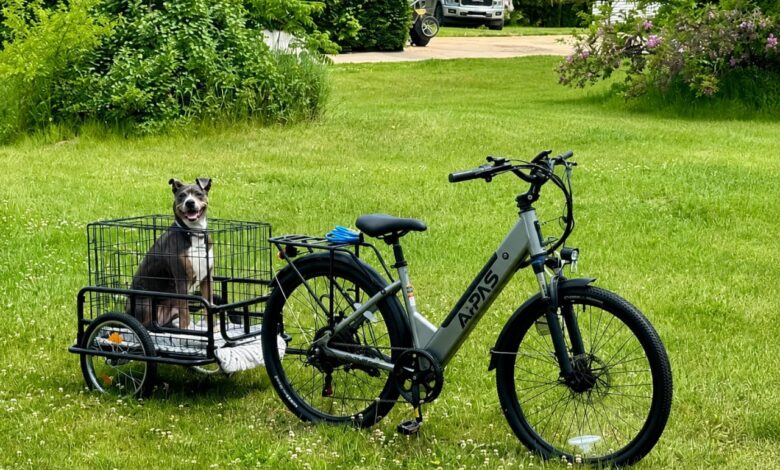
This is where an ebike can become part of the household transportation conversation. It can help adults cover short distances with pedal assistance, making local errands and nearby trips easier without always starting the car.
For families living near shops, schools, parks, or mixed-use neighborhoods, this kind of option can make everyday movement more flexible.
Replacing Some Trips, Not Every Trip
It is important to be realistic. An ebike will not replace every family vehicle need. Families may still need a car for long-distance travel, bad weather, large grocery runs, young children, medical appointments, or carrying heavy items.
The more practical question is whether some trips can be handled differently. If a household can reduce short car journeys a few times each week, the second car may become less central to daily routines.
For example, one adult might use an ebike for a short commute while the car remains available for school runs. A parent might use it for small errands while another family member uses the main vehicle. A hybrid worker might ride on office days when the route is manageable.
This approach gives families more choice without requiring an all-or-nothing change.
Commuting Is Often the Deciding Factor
For many households, the need for a second car is tied to commuting. If two adults need to travel in different directions at the same time, two vehicles may feel necessary. But hybrid work, flexible schedules, and shorter local commutes can change that calculation.
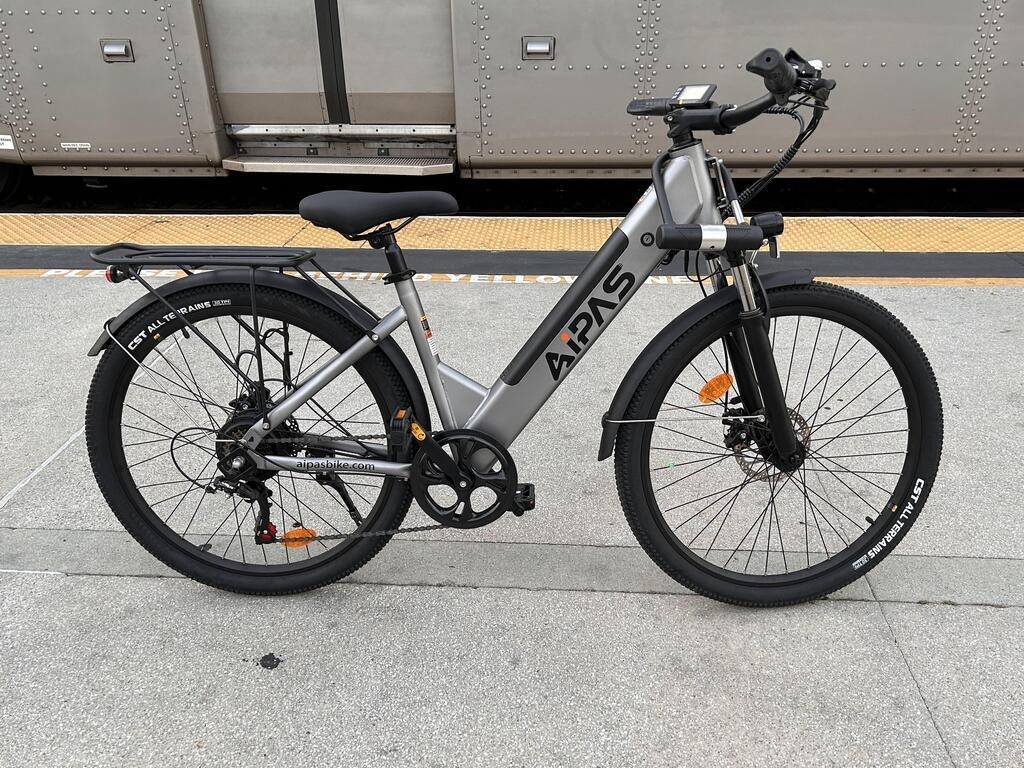
Commuter ebikes are designed for the kind of repeated travel that happens during the workweek. They can support short and medium-distance routes with features that may include lights, racks, fenders, comfortable riding positions, and enough battery range for regular use.
For someone who lives within a reasonable riding distance of work, a commuter-focused ebike may reduce the need to drive every office day. This can be especially useful when one household vehicle is needed elsewhere.
The benefit is not only financial. It can also reduce parking stress, add light outdoor movement, and make the commute feel less dependent on traffic.
Storage and Home Layout Matter
Before families consider any alternative transportation option, they need to think about where it will fit. A household with a garage, shed, or covered entryway may have different options than someone living in a flat, townhouse, or shared building.
Storage affects whether a mobility tool gets used. If it is hard to reach, difficult to charge, or awkward to store, it may not become part of the routine. Families should think about access as much as space. Can the bike be stored near an exit? Is there a safe place to charge the battery? Can it be locked securely?
Home layout can influence the success of the decision. A good transportation option should make life easier, not create a new household problem.
Matching the Option to the Local Area
Neighborhood design also matters. Some areas are easier to ride in than others. A family living near quiet streets, bike lanes, parks, schools, shops, or local trails may find active transportation more practical. A household near fast roads or areas without safe routes may need to be more cautious.
Families should look at the actual trips they take most often. Which destinations are within a few miles? Which routes feel comfortable? Where can the bike be parked safely? Are there local rules about where ebikes can be used?
Transportation decisions work best when they are based on real routes, not general ideas.
A More Flexible Household Mobility Plan
Families do not need to think of transportation as a choice between two cars or no cars. There are many middle-ground options. A household may keep one main vehicle, use public transit for certain trips, walk more often, share rides, or use an ebike for nearby travel.
Brands such as Aipas offer different ebike styles for commuting, folding storage, fat tire riding, and everyday adult use, giving families more ways to compare models based on distance, storage, comfort, and local routes.
The best choice depends on how the household actually moves. A family with short commutes may prioritize range and comfort. A family with limited storage may care more about size. A family near parks or uneven roads may consider tire stability.
What Families Should Consider First
Before making a decision, families should track their weekly travel. How many trips are under five miles? How often are both cars needed at the same time? Which trips involve carrying heavy items? Which routes are safe and realistic without a car?
This simple review can reveal whether a second car is truly required every day or mostly used for convenience. It can also show where a smaller option might help.
Families should also consider weather, local traffic, charging, safety gear, and maintenance. An ebike can be useful, but it should be chosen thoughtfully and used responsibly.
Rethinking Convenience
The second car question is not only about cost. It is also about convenience. For many families, the most convenient option has always been to drive. But convenience can change when parking is limited, fuel costs rise, schedules become more flexible, or short trips start to feel inefficient.
By rethinking how local trips are handled, families can create a more flexible transportation plan. A second car may still have a role, but it does not have to be the default answer for every small movement.
For households looking to balance budget, practicality, and everyday independence, exploring alternatives for short local trips can be a useful first step.




-390x220.png)