Survey Reveals Britain’s Most Overgrown Backyards
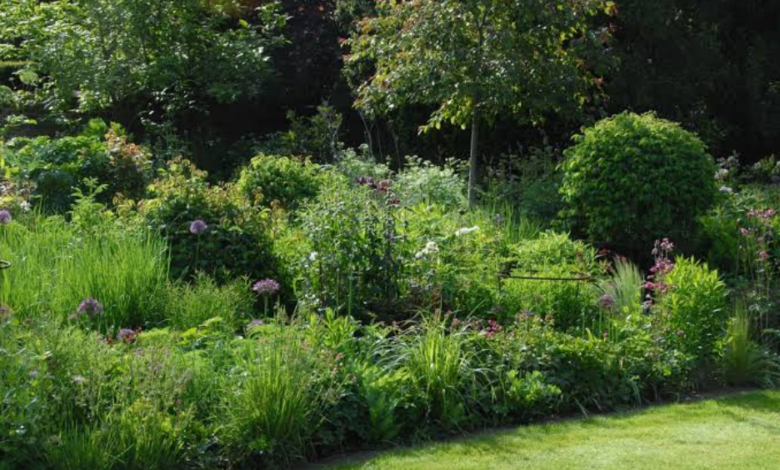
Walk down any British street in late summer, and you’ll probably spot them: once-tidy back gardens that have slipped into jungle territory.
A recent survey has highlighted just how widespread this issue has become. With busy modern lives and a moody climate, many homeowners are struggling to keep their outdoor spaces under control.
This article explores why so many British backyards are becoming overgrown, the real impact it has, and practical ways to turn things around without it taking over all your time.
Where Overgrown Gardens Are Most Common
The survey revealed clear regional differences. Homeowners in the North West topped the list with 43%, and the Midlands came as a close second at 39%. They mostly said that they find it difficult to stay on top of garden maintenance.
This pattern makes sense. These areas often combine frequent rainfall with mild temperatures, creating perfect conditions for rapid grass growth, hedge thickening, and weed proliferation.
A few wet weeks followed by warmer spells can turn a manageable garden into a major project almost overnight. Families juggling work and children particularly feel the pressure, as consistent maintenance often drops down the priority list.
Why Backyards Get Out of Control
Overgrown gardens rarely result from total neglect. Instead, they usually stem from a mix of everyday pressures.
Time is the biggest culprit. Maintaining a garden properly requires regular effort, and even short lapses allow growth to accelerate quickly.
Many people also lack a clear plan. Without a simple seasonal structure, tasks pile up until the lawn becomes too long to cut comfortably. It’s quite daunting to watch hedges losing definition and borders disappearing under vigorous growth.
Our changeable British weather adds another challenge, with mild, damp periods encouraging faster growth than many anticipate.
Confidence plays a role, too. Once a garden gets significantly overgrown, some homeowners feel unsure where to start. This leads to further delay and makes the problem feel even more overwhelming.
The Knock-On Effect on Property Appeal
An overgrown backyard does more than spoil your view from the kitchen window. It really changes how the entire property is perceived.
A cluttered or untidy outdoor space can make even a well-maintained house feel less cared for, raising questions in buyers’ minds about potential hidden work and ongoing effort.
For anyone thinking of selling, this matters significantly. Buyers frequently see an overgrown garden as an extra expense and hassle, which can reduce interest and lead to lower offers.
Even if you’re not planning to move, a neglected garden can affect how welcoming your home feels and how the wider neighbourhood is viewed.
What These Households Can Do to Turn Things Around
The idea of tackling an overgrown garden can feel daunting, but it becomes far more manageable when broken into smaller, practical steps.
The most important thing is changing your approach from reacting to the way the garden looks to setting up a care routine you can easily follow.
Here’s a good plan:
- Start Small and Work in Sections. Rather than trying to fix everything at once, focus on one area at a time. Cutting back overgrown grass, trimming hedges, or clearing a single border can quickly create visible progress and build momentum.
- Establish a Basic Routine. Consistency matters more than intensity. Setting aside a short amount of time each week helps prevent growth from getting out of hand again. Even 20–30 minutes of light maintenance can make a noticeable difference.
- Use the Right Tools. Having suitable equipment simplifies the process considerably. A reliable mower, sharp pruners, and a hedge trimmer can turn time-consuming jobs into manageable ones.
- Tackle Weeds and Edges Early. Weeds and untidy edges are often what make a garden look more overgrown than it actually is. Keeping these under control helps maintain a neater appearance with relatively little effort.
- Improve Structure and Layout. Simple changes—like defining borders, adding mulch, or creating clear pathways—can make a garden easier to maintain and visually more organised.
- Choose Lower-Maintenance Planting. For long-term ease, consider plants that suit the UK climate and require less frequent care. Hardy perennials, evergreens, and drought-tolerant varieties can reduce the overall workload.
Designing a Garden That Stays Manageable
Some gardens become overgrown not because owners are lazy, but because they were never designed for easy maintenance in the first place.
Fast-growing plants, large hedges, and complex features can demand more time than many busy households can give. That’s why simplifying the design often brings the biggest relief.
More open lawn areas, clearly defined planting zones, and practical surfaces like gravel or bark mulch can make a real difference.
Raised beds are also brilliant. They help control weeds and soil, while thoughtful planting prevents the space from feeling chaotic as it matures.
The aim is to create a garden that works with your lifestyle rather than constantly fighting against it.
When It Makes Sense to Call in Professional Help
Sometimes the gap between where your garden is and where you want it to be feels too wide to bridge alone, especially with busy schedules or after a period of neglect. This is where garden clearance in the UK can provide excellent value.
Experienced teams can bring an overgrown garden back to its former prim and proper condition. They handle heavy cutting, reshaping, and structural restoration in a fraction of the time it would take most homeowners.
Beyond the initial clear-up, regular maintenance visits keep things under control and prevent the same cycle from repeating.
Professional support proves particularly useful ahead of selling a property, during peak growing seasons, or simply when life leaves little room for gardening.
Conclusion
Britain’s surge in overgrown backyards isn’t really about lack of care — it’s the natural result of demanding lifestyles, rapid plant growth, and gardens that aren’t always designed for today’s realities.
The encouraging reality is that most can be turned around more easily than they appear. Whether you tackle it gradually yourself or bring in professional help for a strong start, taking action delivers benefits that go well beyond appearance.
The best time to start is now. Even small steps this month will make a noticeable difference by the end of the season.