The Ultimate Buyer’s Guide to Vascular Doppler Systems for US Hospitals and Outpatient Clinics (2025)
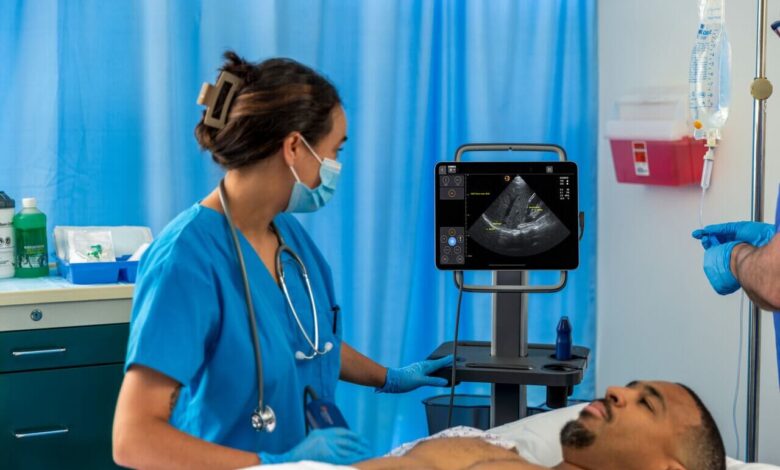
Vascular assessment has become a routine part of clinical workflows in hospitals, outpatient clinics, wound care centers, and vascular surgery practices across the United States. As patient volumes increase and reimbursement models shift toward value-based care, the tools clinicians use to evaluate peripheral circulation are under closer scrutiny than ever before. Purchasing decisions that once fell entirely within the domain of biomedical departments are now being reviewed by clinical directors, procurement officers, and practice managers who are equally concerned with workflow efficiency, device longevity, and total cost of ownership.
Vascular Doppler systems sit at the center of this evaluation process. They are used to detect blood flow in peripheral arteries and veins, assist in diagnosing conditions like peripheral arterial disease and deep vein thrombosis, and support pre- and post-procedural assessments. The problem is that the market for these devices is broad, the terminology is inconsistent, and the differences between product categories are not always obvious to buyers who are not vascular specialists. This guide is written to address that gap with straightforward, practical information.
Understanding What Vascular Doppler Systems Actually Do in Clinical Settings
A vascular Doppler system uses ultrasound technology to detect and measure blood flow through vessels that are not visible to the naked eye. It works by emitting high-frequency sound waves through a handheld probe. When those waves strike moving red blood cells, they return to the probe at a shifted frequency. That shift is translated into an audible tone and, depending on the system, a waveform display that clinicians interpret to assess flow quality, vessel patency, and potential obstruction.
In practical terms, this means a nurse at a wound care center can assess whether a diabetic patient has adequate perfusion before applying compression therapy. A vascular surgeon can confirm graft patency intraoperatively. A primary care physician can rule out significant arterial disease before referring a patient for imaging. The clinical utility spans prevention, diagnosis, and monitoring — which is why these devices appear in such a wide range of facility types.
The vp 7000 is one example of a continuous wave Doppler unit that is used across these environments, designed for portability and consistent signal quality in a clinical setting. When evaluating any system in this category, buyers should understand that the device category — continuous wave versus pulsed wave, handheld versus tabletop — determines not just how it’s used, but where it belongs in the care pathway.
Continuous Wave vs. Pulsed Wave Doppler: A Practical Distinction
Continuous wave Doppler systems emit and receive ultrasound signals simultaneously and without interruption. They are sensitive to all flow along the entire path of the beam, which makes them highly effective for detecting low-volume flow in superficial vessels. This is why they remain the standard tool for ankle-brachial index measurements and basic arterial assessments in outpatient and primary care settings.
Pulsed wave Doppler, by contrast, emits signal bursts and listens for returns in between. This allows the system to sample blood flow at specific depths, which makes it more useful for detailed diagnostic imaging when combined with B-mode ultrasound in duplex systems. These systems are typically more expensive, require more operator training, and are better suited to vascular labs or dedicated diagnostic environments.
Understanding this distinction matters because buyers sometimes compare products across these two categories as if they serve the same purpose. A facility that needs a portable, easy-to-use tool for bedside assessment does not necessarily need a full duplex system. Purchasing the wrong category creates underutilization, unnecessary capital expenditure, or both.
How Facility Type Shapes Procurement Requirements
The needs of a large acute care hospital differ significantly from those of an independent outpatient vascular clinic or a home health agency. Each setting has different volume expectations, staffing models, sterilization protocols, and storage requirements. Treating these differences as minor details rather than core procurement considerations leads to devices that work poorly in their actual environment.
Hospital Inpatient and Perioperative Units
In hospital settings, vascular Doppler systems are often shared across departments, checked in and out of equipment rooms, and used by staff with varying levels of vascular training. Durability and ease of disinfection are therefore primary concerns. Devices with complex probe connections, fragile housing, or non-wipeable surfaces introduce practical problems in high-volume environments where cleaning compliance is monitored and patient turnover is rapid.
Battery life and charging infrastructure also become relevant. A device that runs on proprietary batteries with long charge times creates operational gaps on overnight and weekend shifts. Facilities with centralized biomedical departments often prefer systems where components are interchangeable across models, reducing the inventory burden for replacement probes and accessories.
Outpatient Clinics and Wound Care Centers
Outpatient settings typically have more predictable workflows and a narrower range of clinical applications for Doppler devices. A wound care center, for example, may use a handheld Doppler primarily for ABI assessment before initiating compression therapy — a specific, repeatable task that does not require complex functionality. In these environments, reliability and simplicity are valued over feature richness.
Staff turnover in outpatient clinics is a real operational concern. When the person who was trained on a device leaves, the replacement often has to learn quickly with minimal formal training. Systems with intuitive controls, minimal setup steps, and consistent audio output reduce the learning curve and help maintain procedural consistency regardless of staff changes.
Key Evaluation Criteria When Comparing Vascular Doppler Systems
Comparing vascular Doppler systems requires moving beyond specification sheets and into real-world performance criteria. The published specifications of two competing devices may appear nearly identical while their actual clinical performance — signal quality in calcified vessels, probe durability over time, audio output in noisy environments — varies considerably.
Signal Quality and Probe Frequency Options
The quality of the Doppler signal directly affects how much information a clinician can extract from a single assessment. Systems with weak signal output or poor noise rejection make it harder to distinguish between low-flow states and absent flow, which has direct implications for clinical decision-making. In obese patients or those with edema, signal penetration becomes especially important, and facilities that serve high proportions of these patients should weight this criterion accordingly.
Probe frequency determines the depth at which the device can reliably detect flow. Lower frequencies penetrate more deeply and are appropriate for assessing deeper vessels in larger patients. Higher frequencies provide better resolution in superficial vessels. Facilities that need to assess a wide patient population benefit from systems that offer multiple probe frequency options without requiring separate device platforms.
Probe Durability and Replacement Cost
The probe is the component most subject to wear and damage in clinical use. Probes are dropped, exposed to disinfectants, coiled improperly, and subjected to pressure during exams. When evaluating total cost of ownership, procurement teams should request data on average probe lifespan and the cost of replacement probes. A device with a lower upfront price but expensive proprietary probes may cost more over a three-to-five-year ownership cycle than a more expensive initial purchase with readily available replacement components.
Probe compatibility across device generations also matters. If a manufacturer discontinues a probe model when a new device generation is released, facilities that have standardized on that system face forced upgrades rather than targeted component replacements.
Regulatory and Standards Compliance in the US Market
Vascular Doppler systems sold in the United States are regulated as medical devices under FDA oversight. Buyers should confirm that any device under consideration holds a current 510(k) clearance or equivalent regulatory status before adding it to a purchasing shortlist. This is not a formality — it directly affects whether the device can be used in reimbursable clinical procedures and whether it can be included in Joint Commission-reviewed equipment inventories.
Facilities accredited by The Joint Commission or other accreditation bodies must maintain documentation of device compliance, calibration history, and maintenance records. According to the FDA’s framework for regulatory controls, devices in this class are subject to general controls including labeling requirements and adverse event reporting. Procurement teams should confirm that vendors can provide the documentation needed to support these compliance requirements at the time of purchase, not as an afterthought during an accreditation review.
Vendor Support, Service Contracts, and Training Infrastructure
The device itself is only part of what a facility is purchasing. The vendor relationship — including technical support responsiveness, availability of loaner equipment during repairs, and the quality of clinical training provided at implementation — affects how well the device performs over its operational lifespan.
Evaluating Service Response and Repair Turnaround
When a clinical device goes out of service, the pressure on clinical staff to find a workaround is immediate. Facilities that rely on a single device for a high-volume procedure are more exposed to this risk than those with redundant equipment. Service contracts that guarantee response times and loaner availability during repair reduce that exposure, but not all contracts are structured the same way. Buyers should read service agreement terms carefully, particularly clauses that define what constitutes a covered repair versus a billable incident.
Clinical Training at Implementation
Even devices with straightforward operation benefit from structured onboarding. Vendors that provide in-person training at implementation, access to procedure-specific reference materials, and a named support contact for clinical questions tend to produce better long-term outcomes for the facilities they serve. This is particularly important when a device is being introduced to staff who have limited prior experience with vascular assessment tools.
Conclusion: Making a Defensible Purchasing Decision
Purchasing a vascular Doppler system is not a complicated decision if the right framework is applied from the beginning. The process works best when clinical staff identify the specific procedures the device needs to support, procurement teams evaluate total cost of ownership rather than purchase price alone, and both groups review vendor support capabilities before finalizing any agreement.
The market in 2025 includes devices suited to nearly every facility type and clinical application. The risk is not that the right device doesn’t exist — it’s that facilities make selections based on incomplete criteria, price alone, or vendor familiarity rather than operational fit. A device that performs reliably in its intended environment, holds up under daily clinical use, and is supported by a vendor with consistent service infrastructure is the right choice regardless of where it sits in the price spectrum.
Taking the time to standardize evaluation criteria across clinical, procurement, and biomedical stakeholders produces purchasing decisions that hold up over time. That alignment is ultimately what separates facilities that cycle through equipment every few years from those that build consistent, well-functioning clinical workflows around tools they understand and trust.