DIY Odor Removal vs. Professional Odor Removal Services: What Actually Works in 2025
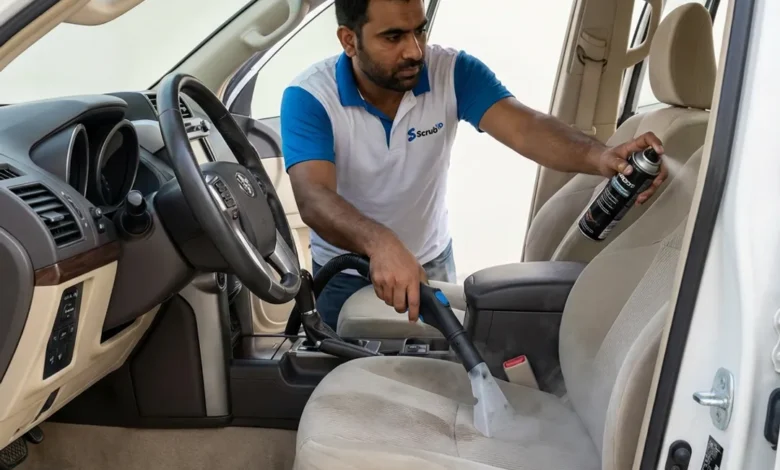
Persistent odors in residential and commercial spaces rarely stay contained to one area. They migrate through ventilation systems, absorb into soft furnishings, penetrate wall cavities, and in some cases, return weeks after the initial cleaning. For property owners, facilities managers, and business operators, this is not a cosmetic issue. It is a practical one that affects the usability of a space, the comfort of occupants, and in some contexts, compliance with health and habitability standards.
The question of whether to address odor problems independently or bring in a professional service has become more relevant in 2025, partly because consumer-grade products have improved, but also because the scale and complexity of odor problems in modern buildings have become better understood. The answer is not always straightforward, and it depends heavily on the nature of the odor, the materials involved, and how long the problem has been present.
Understanding What DIY Odor Removal Can and Cannot Address
Most households and businesses reach for off-the-shelf solutions as a first response, which is a reasonable starting point. Sprays, enzymatic cleaners, activated charcoal products, and baking soda-based treatments are widely available and genuinely effective against surface-level odor contamination. When an odor source is recent, localized, and contained to a washable or replaceable surface, these approaches can resolve the problem entirely without additional intervention.
However, the limitations of DIY methods become apparent when the odor source is embedded rather than surface-level. Smoke, for example, does not simply rest on upholstery or carpeting. It binds to microscopic particles that settle into porous materials including wood, drywall, insulation, and concrete. Similarly, biological odors from sewage, mold, animal waste, or decomposition produce compounds that standard cleaning agents are not formulated to break down at a molecular level. Masking those compounds with fragrance or surface sprays creates a temporary improvement that typically reverses within days.
Professional odor removal services approach the problem from a different starting point. Rather than treating what is visible or immediately accessible, they assess the source of contamination, identify the materials affected, and select methods appropriate to both the odor type and the substrate. This distinction — between surface treatment and source remediation — is what separates most DIY attempts from professional outcomes.
Where DIY Methods Work Well
There are clearly defined situations where independent odor management is appropriate and sufficient. Cooking odors, mild pet odors from recently soiled areas, and light mustiness caused by temporary humidity are all reasonable candidates for self-managed treatment. In these cases, the contamination has not had time to penetrate deeply into structural or porous materials, and the odor-producing compounds are responsive to enzymatic or oxidizing cleaners available in retail form.
Good ventilation practices, prompt cleaning of spills or waste, and regular laundering of soft furnishings are all effective preventative measures. They reduce the accumulation of odor-causing organic material before it has the opportunity to embed itself in surfaces. When these habits are maintained consistently, the need for deeper intervention rarely arises in normal residential environments.
Where DIY Methods Fall Short
The failure point for most DIY attempts is not effort — it is access and chemistry. A person can clean a carpet thoroughly and still leave behind odor-producing compounds that have penetrated the backing, the underlay, and in some cases the subfloor beneath. The same principle applies to smoke damage inside wall cavities, or biological contamination that has spread through drainage channels. Without the ability to reach the actual source of the odor, any surface cleaning will produce results that are incomplete and temporary.
There is also a practical risk in repeatedly applying strong cleaning agents to materials that are not designed to absorb them. Overuse of bleach-based products on porous surfaces can cause structural deterioration without resolving the odor. Some retail enzymatic products are formulated for specific contaminants and are ineffective when applied to the wrong type of organic material. In commercial settings, these missteps can cause damage to flooring or fixtures that costs more to repair than the original professional treatment would have cost.
How Professional Odor Remediation Works in Practice
Professional odor remediation is not a single process. It is a structured assessment and treatment protocol that varies depending on the type of odor, the age of the contamination, the materials involved, and the size of the affected space. What distinguishes professional work is not simply better equipment — it is the diagnostic phase that precedes treatment.
A qualified technician will typically begin by identifying the origin point of the odor rather than treating the area where it is most detectable. These two locations are often different. Air circulation patterns in buildings can carry odors considerable distances from their source, and occupants frequently report the smell most strongly in areas that are not actually contaminated. Treating the symptom area rather than the source is the primary reason repeated DIY attempts fail.
The Role of Treatment Technology
Professional-grade methods include thermal fogging, hydroxyl generation, ozone treatment, dry ice blasting, and activated carbon filtration systems. Each of these technologies operates on a different principle. Thermal fogging, for example, disperses a deodorizing agent in a fine vapor that penetrates the same spaces the odor-causing smoke or gas originally occupied, reaching areas that no surface treatment can access. Hydroxyl generators produce reactive molecules that break down odor-causing compounds at a chemical level without leaving residue or requiring occupants to vacate for extended periods.
Ozone treatment, which works by oxidizing volatile organic compounds responsible for many persistent odors, is well-established in professional remediation. According to the United States Environmental Protection Agency, ozone at ground level is a known respiratory irritant, which is why professional application in occupied spaces requires careful management of concentration levels and exposure times — something a trained technician is equipped to handle but a consumer operating retail ozone machines may not be.
Material Assessment and Post-Treatment Evaluation
Beyond the treatment itself, professional services involve an assessment of whether affected materials can be remediated or need to be removed. In cases of severe smoke damage or long-term biological contamination, some materials — flooring sections, drywall panels, or ceiling tiles — may have absorbed odor-causing compounds to a degree that cleaning cannot reverse. A professional assessment identifies these cases early, which prevents wasted effort and informs decisions about partial replacement.
Post-treatment evaluation is also part of a professional engagement. This involves confirming that odor levels have returned to an acceptable baseline and, in some cases, testing air quality to verify results. This structured verification is absent from DIY approaches, where the assessment of success is typically based on immediate sensory impression rather than any measurable outcome.
Cost Considerations That Are Often Misunderstood
The upfront cost of professional odor remediation is higher than purchasing retail cleaning products. That comparison, however, does not account for the full picture. A property owner who spends several weeks applying consumer-grade solutions to a persistent smoke or mold odor — purchasing multiple products, replacing items that cannot be cleaned, and potentially damaging surfaces in the process — may ultimately spend more than a single professional engagement would have cost.
In commercial contexts, the cost calculation includes downtime. A business that remains partially closed or reduces operations because of an unresolved odor problem incurs a loss that often exceeds the cost of professional remediation. Hospitality businesses, food service operations, and healthcare facilities are particularly sensitive to this equation, as unresolved odors in these environments directly affect customer experience, regulatory compliance, and occupant health.
When the Investment in Professional Services Is Justified
Several conditions consistently indicate that professional engagement is the more practical choice:
• The odor has persisted through two or more independent cleaning attempts without measurable improvement
• The contamination involves smoke from fire or tobacco over an extended period, sewage exposure, mold growth, or animal infestation
• The affected space is a rental, commercial, or shared property where the standard of remediation must meet a defined benchmark
• The property is being prepared for sale or lease and the odor issue will be subject to inspection or occupant disclosure
• The odor is originating from inside walls, under flooring, or within HVAC systems that cannot be accessed without specialized equipment
Making the Decision Based on Actual Conditions
The practical distinction between DIY and professional odor remediation is not about one being superior in all cases. It is about matching the treatment to the actual nature and depth of the problem. Surface odors from recent, contained sources respond well to consumer methods. Embedded, structural, or biologically complex odors require professional assessment and treatment to achieve a durable result.
The most common mistake in this decision is underestimating how deeply odor-causing compounds can penetrate building materials and how resistant they are to fragrance-based or surface-applied treatments. Once that penetration has occurred, the practical path to resolution runs through professional remediation, not through additional iterations of the same approach that has already shown limited results.
Conclusion
Odor management in 2025 is better informed than it was a decade ago, both in terms of the products available to consumers and the techniques used by professional services. That context makes it easier to make a clear-headed decision about which approach is appropriate for a given situation. For mild, recent, and surface-level odor problems, well-chosen consumer products applied promptly are entirely adequate. For anything that involves embedded contamination, structural materials, or repeated failed attempts, the investment in professional remediation is justified by the likelihood of a lasting result. The determining factor is always the depth and nature of the problem, not the preference for convenience or cost savings.