7 Things to Check Before Ordering Custom Printed Hi Vis Polo Shirts for Your Crew
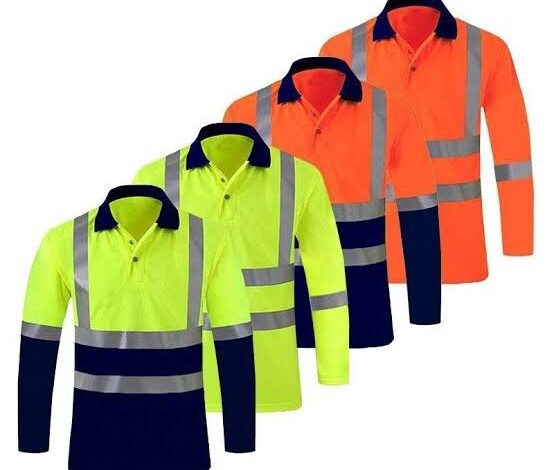
When a team works in environments where visibility is a legal or operational requirement, the clothing they wear carries more weight than standard workwear. Ordering the wrong garments — or ordering the right ones poorly — can create compliance gaps, inconsistency across the workforce, and unnecessary cost when items need to be replaced or reprinted. These problems are entirely avoidable, but they tend to surface only after an order has already been placed.
The decisions made before placing an order matter considerably more than most buyers anticipate. From compliance standards to print durability and sizing, each element of the specification affects how well the garments will perform in the field and how long they will last. This article outlines seven areas worth examining carefully before committing to an order of hi vis polo shirts for any working crew.
1. Compliance with Visibility Standards
Hi vis garments are subject to specific regulatory frameworks that govern how much reflective and fluorescent material must be present on a garment for it to be considered compliant. In the UK, this is primarily governed by EN ISO 20471, the international standard for high-visibility clothing, which classifies garments by class depending on the area of background material and reflective tape they include. A polo shirt, by its nature, covers less surface area than a jacket or vest, so understanding which class the garment falls into is essential before selecting it for any regulated work environment.
Why Class Matters for Polo Shirts Specifically
Polo shirts are often chosen for warmer conditions or lower-risk environments where a full vest or jacket would be impractical. However, if the role still requires a compliant garment under health and safety law or a client’s site rules, the shirt must meet the minimum classification required. Some sectors permit lower-class garments when combined with other hi vis items, while others require standalone compliance. Before ordering, confirm with your health and safety officer or site manager exactly what classification is required for the specific roles being covered.
A useful starting point is reviewing the official guidance from the Health and Safety Executive on personal protective equipment, which outlines employer obligations around PPE selection and suitability.
2. Print Method Compatibility with Hi Vis Fabric
Not all printing methods work equally well on hi vis fabric. The fluorescent polyester materials used in most hi vis garments have surface characteristics that respond differently to heat, ink, and adhesion processes compared to standard cotton or cotton-blend workwear. Choosing a print method that is incompatible with the base fabric can result in poor colour definition, premature peeling, or — in worst cases — print that obscures the reflective elements of the garment.
For anyone reviewing their options, a well-structured Custom Printed Hi Vis Polo Shirts guide can help clarify which decoration methods are appropriate for different garment types and usage conditions.
Heat Transfer, Screen Print, and Embroidery on Hi Vis
Heat transfer vinyl and screen printing are among the more common methods used on hi vis polo shirts, but both carry trade-offs. Heat transfer is typically more flexible and suitable for smaller runs, but the longevity of the application depends heavily on the quality of the vinyl and the precision of the application temperature. Screen printing can produce more durable results for larger orders, but requires careful consideration of ink type when applied to fluorescent substrates. Embroidery, while durable, can add weight and stiffness to areas near seams or reflective tape, which may affect comfort during extended wear. Discuss the intended use environment with your supplier before selecting a method.
3. Garment Construction and Wash Durability
Custom printed hi vis polo shirts are frequently subjected to industrial or commercial laundering, which is considerably more intensive than domestic washing. The combination of high temperatures, mechanical action, and industrial detergents places significant stress on both the fabric and any applied decoration. A garment that looks correct at point of delivery may degrade quickly if it has not been constructed and decorated with repeated washing in mind.
What to Ask Your Supplier About Wash Performance
Before placing an order, ask the supplier directly how many wash cycles the decoration is rated to withstand, and under what conditions. For most working environments, a garment that degrades noticeably after thirty washes would be considered poor value regardless of its initial cost. Also ask whether the fluorescent properties of the base fabric are retained over time — hi vis material can lose its brightness with repeated washing, which has compliance implications if the garment is expected to maintain its classification throughout its working life. Some manufacturers provide wash durability data; if this information is not readily available, treat that as a flag worth investigating further.
4. Sizing Consistency Across a Multi-Person Order
When ordering custom printed hi vis polo shirts for a crew rather than an individual, sizing consistency becomes an operational concern. Workwear that does not fit correctly affects comfort and mobility, which in turn affects how willingly workers wear it — particularly during hot weather when hi vis garments can already feel restrictive. Inconsistent sizing across a batch can also undermine the uniformity that branded workwear is meant to achieve.
Managing Sizing Across Diverse Teams
Different manufacturers use different size grading systems, and this variation can be significant enough to cause problems when sourcing garments from a new supplier. Where possible, request a sample of the specific garment style in one or two sizes before committing to a full order. Allow individuals to try garments on rather than self-reporting their size based on previous workwear from different suppliers. This is particularly relevant for crews that include workers with non-standard proportions or those who will be wearing additional layers underneath, which affects fit in ways that standard size charts do not reflect.
5. Logo Placement and Reflective Tape Interaction
The placement of printed logos, text, or branding on a hi vis garment requires more planning than on standard clothing. Reflective tape is typically positioned across the chest and around the body to maximise its effectiveness from multiple angles. Any decoration placed on or near the reflective tape can interfere with its performance by reducing the tape’s surface area, obscuring its retroreflective properties, or preventing it from lying flat against the garment.
Balancing Branding Requirements with Safety Function
Logos and company names are typically placed on the chest, upper back, or sleeves — areas where they do not interfere with reflective tape positioning. However, if a brand requires a large logo or a particularly detailed design, the available placement area on a polo shirt is limited. Work with your decorator to map out placement before the artwork is finalised. Some orders require a compromise between brand visibility and garment compliance, and it is better to resolve that tension during the design stage than after the order has been printed. Avoid any decoration that crosses or overlaps reflective tape, as this may technically affect the garment’s compliance classification.
6. Minimum Order Quantities and Lead Times
Custom decorated workwear almost always involves minimum order quantities, and lead times for hi vis polo shirts can vary significantly depending on the supplier, the decoration method, and the time of year. Ordering too few garments can leave you paying a higher unit cost than necessary, while ordering too many creates stock management issues and potential waste if sizing or requirements change. Lead times that are longer than anticipated can also create operational gaps, particularly when garments are needed for a new site start or a seasonal workforce intake.
Planning Orders Around Operational Timelines
Build in adequate lead time from the point of artwork approval to delivery. For most decorated workwear suppliers, this window is longer than buyers expect, especially during peak periods. If the crew is starting on site on a fixed date, work backwards from that date and place the order well in advance. Also consider whether you need a phased delivery for a large workforce, or whether all garments need to arrive at the same time for distribution. Some suppliers can accommodate staged deliveries, which can simplify logistics for larger teams spread across multiple locations.
7. Artwork Preparation and File Specifications
The quality of a printed garment is directly affected by the quality of the artwork supplied. Low-resolution or incorrectly formatted files produce results that look unprofessional, particularly on fluorescent backgrounds where contrast and sharpness are more immediately visible. Artwork problems are one of the most common sources of delay in custom workwear orders, because they require back-and-forth between the buyer and the decorator before production can begin.
What Decorators Need Before Production Can Start
Most professional decorators require vector files for logos and text-based designs, as these can be scaled without loss of quality. Raster files such as photographs or low-resolution JPEG exports from standard office software are not suitable for most print processes. If your organisation’s branding assets were created by a designer, request the original source files rather than exported copies. If only low-resolution files are available, ask the decorator whether they offer a redraw service and factor the time and cost of that into your planning. Providing complete, correctly formatted artwork at the outset significantly reduces the risk of delays and print inconsistencies.
Closing Considerations
Ordering custom printed hi vis polo shirts for a working crew is not a transaction that benefits from being rushed. Each of the seven areas covered in this article represents a decision point where insufficient preparation leads to a predictable and avoidable outcome — whether that is a compliance gap, a garment that degrades faster than expected, or an order that arrives late and disrupts operations.
The most reliable approach is to treat the ordering process as a specification exercise rather than a purchasing task. Define what the garments need to do, confirm the compliance requirements for the specific environment, review the capabilities of the decorator, and ensure the artwork is ready before the conversation about cost and quantity begins. Buyers who follow this sequence tend to receive garments that perform consistently across the working life of the product and cause considerably fewer problems down the line.
Taking time at the front end of this process costs nothing beyond a few additional days of planning. The cost of getting it wrong — whether through reprints, replacements, or compliance failures — is considerably higher.